GPS glitched across the US by as much as 33 feet
Source Entity
Hacker News
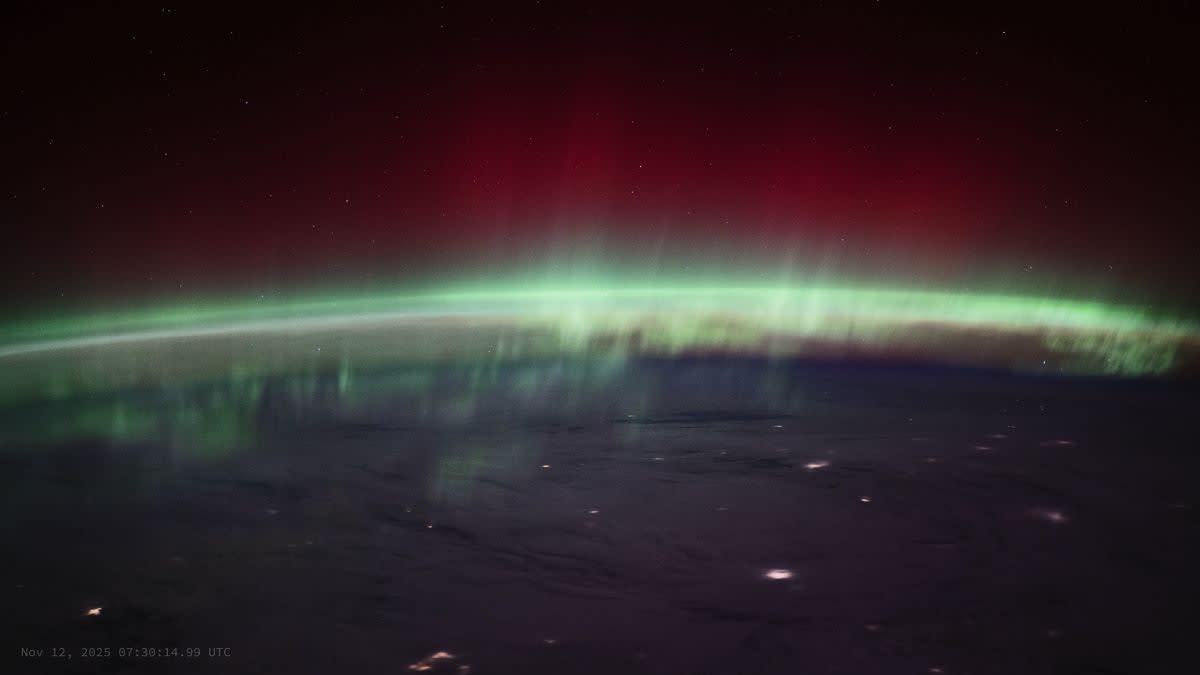
A massive solar superstorm in November 2025 triggered unprecedented atmospheric disturbances, causing GPS inaccuracies of up to 33 feet across the US. Scientists from The Aerospace Corporation identified these coast-to-coast disruptions, highlighting the critical vulnerability of modern navigation technology to space weather.
The November 2025 Solar Superstorm: A Technological Reckoning
In November 2025, Earth experienced a series of intense solar eruptions that sent massive amounts of solar material colliding with the planet's magnetosphere. While these events captured the public imagination through spectacular, rare auroral displays visible at unusually low latitudes, the scientific community focused on the more sobering consequences of this celestial bombardment. The event served as a stark reminder of the delicate balance between our planet’s natural protection and the technological infrastructure that defines modern life.
Unprecedented Atmospheric Disturbances
Recent research led by space physicist Endawoke Yizengaw of The Aerospace Corporation has unveiled that the solar storm's impact was far more complex than initial observations suggested. By analyzing data collected during the event, researchers identified widespread, coast-to-coast atmospheric disturbances across the continental United States. This specific phenomenon, characterized by its scale and reach, had never been documented in the history of space weather monitoring, marking a new milestone in our understanding of how solar activity interacts with the Earth's upper atmosphere.
The Impact on Precision Navigation
One of the most concerning findings from the study is the degradation of Global Positioning System (GPS) accuracy. The perturbations in the ionosphere, caused by the solar material, resulted in navigation errors of as much as 33 feet across the United States. In an era where precision agriculture, aviation, and autonomous logistics rely on sub-meter accuracy, a 33-foot deviation represents a significant failure in reliability that could have profound safety and economic implications if not properly mitigated.
A Double-Edged Celestial Sword
The duality of the November 2025 storm—dazzling beauty paired with technological disruption—illustrates the "double-edged sword" nature of space weather. While the auroras provided a rare aesthetic experience for millions, the invisible damage to atmospheric stability compromised the integrity of signals transmitted from space to ground-based receivers. This event highlights the vulnerability of our modern reliance on satellite-based positioning systems, which are inherently susceptible to the volatile behavior of our sun.
Broader Implications and Future Trends
This discovery by The Aerospace Corporation emphasizes the urgent need for improved space weather modeling and early warning systems. As we become increasingly dependent on space-based infrastructure, the ability to predict and compensate for atmospheric anomalies becomes a matter of national security and economic stability. The 2025 incident serves as a critical case study for researchers, providing essential data to harden our navigation systems against future solar cycles and more intense space weather events that may occur in the coming decades.