Japanese Scientist, Nobel Chemistry Prize Winner Hideki Shirakawa Dies At 90
Source Entity
NDTV News Search Records Found 1000
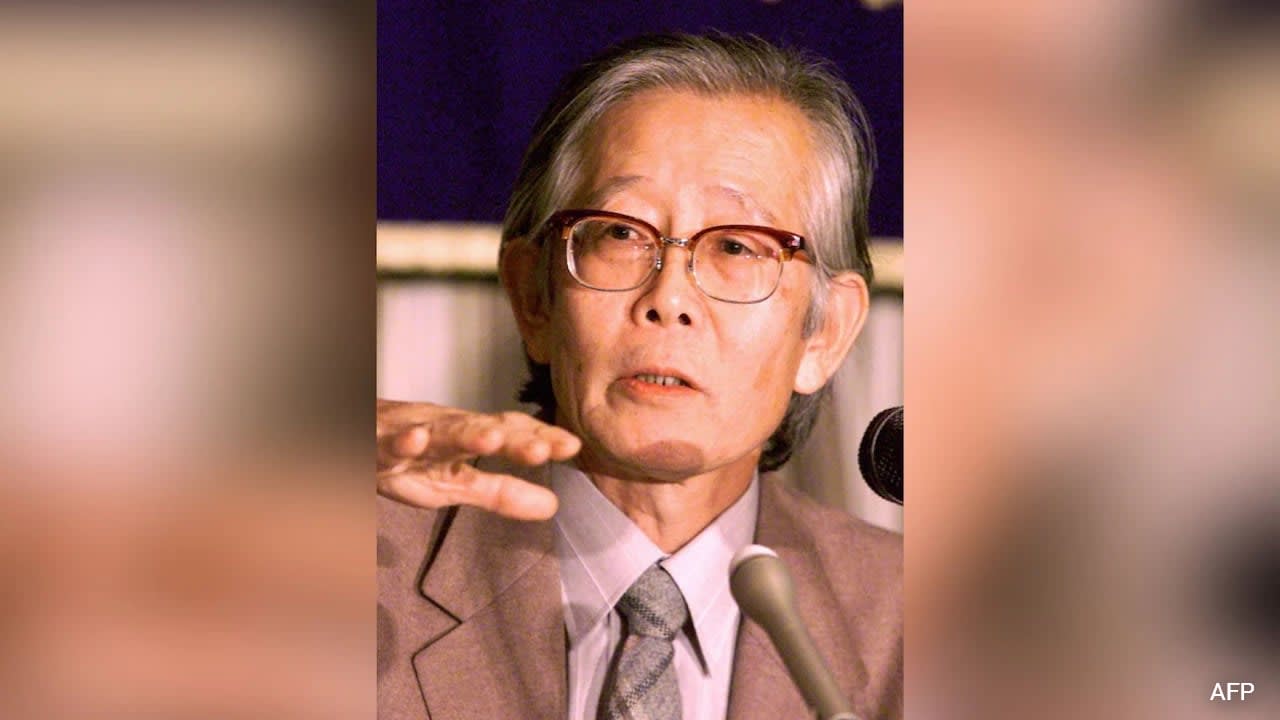
Nobel laureate and pioneer of conductive polymers Hideki Shirakawa has passed away at the age of 90. His death was officially confirmed by the University of Tsukuba, marking the end of a transformative life in chemistry.
The Legacy of a Pioneer: Remembering Hideki Shirakawa
The scientific community is mourning the loss of Hideki Shirakawa, the esteemed Japanese chemist and Nobel laureate who passed away on August 24 at the age of 90. His death, confirmed by the University of Tsukuba, marks the conclusion of a storied career that fundamentally altered our understanding of materials science. Shirakawa's work remains a cornerstone of modern electronics and chemistry, serving as a testament to the power of serendipitous discovery in scientific advancement.
The Discovery of Conductive Polymers
Shirakawa is most famously recognized for his groundbreaking work on conductive polymers, a discovery that challenged the long-held assumption that plastics were purely insulators. By demonstrating that polyacetylene could be modified to conduct electricity, he essentially birthed a new field of research. This breakthrough was not merely theoretical; it provided the foundational mechanism for the development of organic electronics, which are now ubiquitous in modern technology.
The Nobel Recognition
In 2000, Hideki Shirakawa was awarded the Nobel Prize in Chemistry, an honor he shared with Alan Heeger and Alan MacDiarmid. The Nobel Committee recognized their collective efforts in discovering and developing conductive polymers. This recognition solidified Shirakawa’s place in history, highlighting how his precise experimentation transformed synthetic materials into components capable of carrying electrical currents, a feat previously deemed impossible in the realm of polymer chemistry.
Impact on Modern Technology
The implications of Shirakawa's research extend far beyond the laboratory. Today, the technology derived from his work is integrated into everyday devices, including organic light-emitting diodes (OLEDs), flexible displays, and advanced solar cells. By enabling the creation of lightweight, flexible, and conductive materials, Shirakawa paved the way for the next generation of consumer electronics that rely on thin, efficient, and versatile components.
Academic Influence and Future Trends
Throughout his tenure at the University of Tsukuba, Shirakawa served as a bridge between fundamental chemical research and industrial application. His influence continues to resonate through the work of thousands of researchers who follow in his footsteps. As we look toward the future, the integration of conductive polymers in wearable technology and bio-electronics remains a direct continuation of the path he charted, ensuring his scientific legacy will endure for generations to come.
Verification Required?