150 research primates got diarrhea, flooding lab with priceless vaccine data
Source Entity
Beth Mole
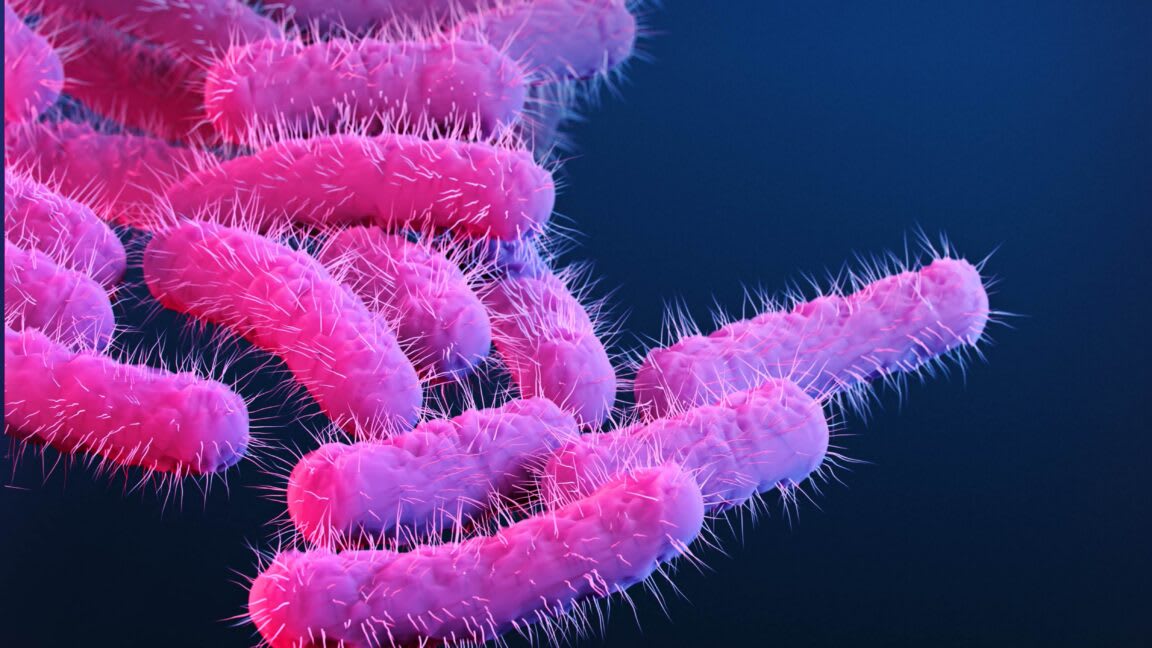
A two-year Shigella outbreak among 150 research primates has unexpectedly provided scientists with critical immunological data. This research has identified new targets for a vaccine, potentially revolutionizing the fight against the bacteria.
An Unlikely Scientific Breakthrough: The Shigella Outbreak
What initially appeared to be a catastrophic logistical and health crisis at a research facility—involving over 150 non-human primates suffering from severe diarrhea for more than two years—has transformed into a landmark moment for vaccine development. While the outbreak presented significant animal welfare and containment challenges, the subsequent data collection provided an unprecedented longitudinal view of how Shigella infections manifest and interact with the immune system in real-time.
Analyzing the Immunological Goldmine
The study, recently published in Science Translational Medicine, highlights how researchers utilized this unfortunate event to conduct a massive, inadvertent clinical trial. By meticulously logging the immunological response of the primates, scientists were able to sift through vast amounts of data that would be nearly impossible to replicate in a controlled, short-term laboratory setting. This "dump" of information allowed for a high-resolution analysis of how the host immune system reacts to the pathogen over an extended duration.
Identifying Key Vaccine Targets
One of the most significant outcomes of this research is the identification of specific target molecules on the Shigella bacteria. By mapping these markers against the immune system's most successful responses, researchers have pinpointed exactly which components of the bacteria are most vulnerable to immune intervention. This granular level of detail is essential for the design of a subunit vaccine, which must trigger a specific and robust reaction to be effective.
Bridging the Gap in Vaccine Development
Historically, Shigella has been a notoriously difficult target for vaccine developers due to its complex surface proteins and the varied ways it evades host defenses. The data derived from this outbreak bridges a critical knowledge gap, linking specific germ-busting immune cells to the molecules they are best equipped to neutralize. This insight provides a clear roadmap for future vaccine candidates, shifting the focus from broad-spectrum approaches to targeted molecular engagement.
Future Implications for Global Health
Looking ahead, the implications of this research are profound. Shigella remains a leading cause of diarrheal disease worldwide, particularly affecting children in developing nations. By leveraging the insights gained from this accidental dataset, scientists are now better positioned to develop vaccines that provide lasting, adaptive immunity. This shift marks a transition from reactive treatments to proactive, preventative medicine, potentially saving countless lives by neutralizing the pathogen before it can establish a foothold in the human gut.
Conclusion
While the circumstances surrounding this research were far from ideal, the resulting scientific advancements demonstrate the value of rigorous data analysis in the face of unexpected biological challenges. By transforming a two-year outbreak into a blueprint for vaccine development, researchers have turned a significant laboratory setback into a major victory for global health, proving that even the most difficult situations can yield breakthroughs that benefit humanity.