Trump Says US Reviewing Its Position On UK-Controlled Falkland Islands
Source Entity
NDTV News Search Records Found 1000
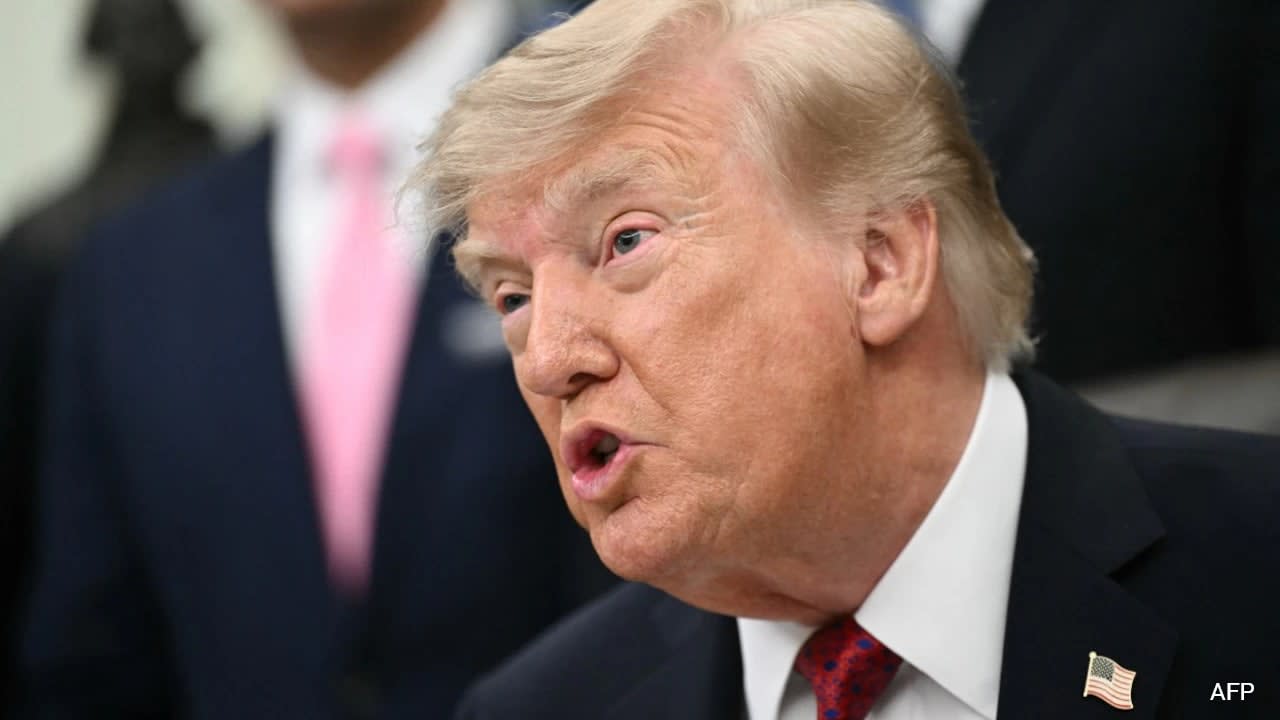
President Donald Trump has confirmed that the United States is reviewing its diplomatic stance on the British-controlled Falkland Islands. This policy shift is reportedly linked to Pentagon efforts to pressure NATO allies, including the UK, to increase their defense spending.
The Geopolitical Implications of the Falklands Review
President Donald Trump’s recent confirmation that the United States is reviewing its long-standing position on the Falkland Islands marks a significant, if unconventional, turn in transatlantic relations. The Falklands, a South Atlantic archipelago under British administration, have historically been a symbol of sovereignty and national pride for the United Kingdom, defined by the 1982 conflict between Britain and Argentina. By suggesting that this diplomatic status is under review, the current administration is signaling that no historical commitment is immune from re-evaluation under the current 'America First' foreign policy framework.
The Link Between Defense Spending and Sovereignty
At the core of this development is a strategic effort by the Pentagon to enforce greater fiscal accountability among NATO allies. Reports indicate that the potential shift in the U.S. position on the Falklands is being utilized as a pressure tactic to ensure that the United Kingdom meets its defense spending commitments. By linking the territorial integrity of an ally to their budgetary contributions, the U.S. is effectively transforming a long-settled diplomatic issue into a transactional bargaining chip.
Historical Context and Diplomatic Stability
For decades, the United States has generally supported the status quo regarding the Falkland Islands, respecting British administration while maintaining diplomatic ties with Argentina. The 1982 war solidified the islands' place in British national identity, and any questioning of this status by a primary ally like the U.S. threatens to undermine the diplomatic stability of the region. This pivot suggests a departure from traditional alliance management, where territorial sovereignty was considered a foundational principle rather than a variable in defense negotiations.
Challenges for the New British Administration
The timing of this review coincides with the tenure of new British Prime Minister Andy Burnham, presenting a complex challenge for the UK’s foreign policy agenda. Facing pressure to increase military investment to satisfy U.S. demands, the British government must now navigate the delicate balance of maintaining its special relationship with Washington while defending its sovereign claims in the South Atlantic. This scenario highlights the heightened expectations the U.S. is placing on its European partners to sustain their own security apparatus.
Future Trends and Global Repercussions
Looking ahead, this development suggests that the U.S. may increasingly employ its influence over regional disputes as leverage to achieve domestic and international policy goals. If the U.S. continues to treat established territorial positions as negotiable items, it could lead to increased unpredictability in global geopolitics. Other nations may begin to view the U.S. security umbrella as conditional, potentially prompting allies to seek greater strategic autonomy or explore alternative defense arrangements to avoid being caught in similar transactional pressures.
Conclusion
In conclusion, President Trump’s statement regarding the Falkland Islands is a stark reminder of the evolving nature of modern diplomacy. By tying the fate of a British-controlled territory to the broader issue of NATO defense spending, the United States is asserting a new, aggressive standard for alliance obligations. Whether this strategy succeeds in boosting European defense budgets remains to be seen, but it undoubtedly introduces a new layer of friction into the historically robust relationship between the United States and the United Kingdom.
Verification Required?