Chemotherapy can induce cold pains. How ‘brain circuit’ causing it was found
Source Entity
Arnav Chandrasekhar
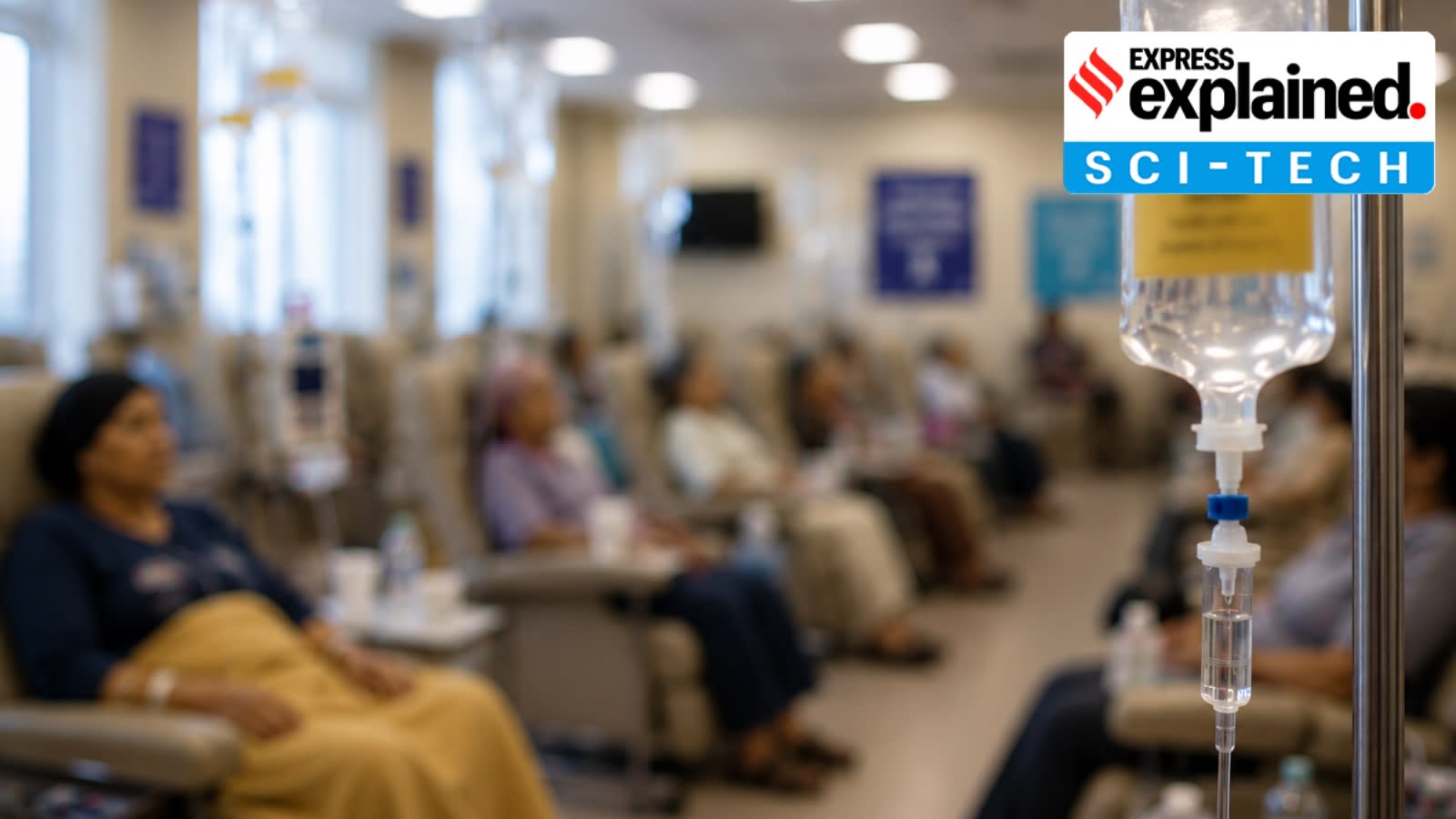
Researchers from IISc and TCG-CREST have identified the brain circuit responsible for 'cold allodynia,' a painful side effect of oxaliplatin chemotherapy. This discovery in mice provides a potential target for developing new therapies to alleviate chronic pain in cancer patients.
Unlocking the Neural Pathways of Chemotherapy-Induced Pain
A collaborative research effort between the Indian Institute of Science (IISc), Bengaluru, and the TCG-CREST institute in Kolkata has reached a significant milestone in neurobiology. By identifying the specific brain circuit responsible for 'cold allodynia'—a debilitating side effect of platinum-based chemotherapy—the team has moved closer to understanding how cancer treatments affect the nervous system. The findings, published in Cell Reports, detail how the parabrachial nucleus communicates with the parafascicular thalamus to process cold-induced pain.
Understanding Cold Allodynia
Cold allodynia is a specific form of neuropathic pain where cold temperatures, which are normally innocuous, trigger intense, often painful sensations. This is a common and distressing complication for patients undergoing treatment with oxaliplatin, a potent chemotherapy drug used primarily for colorectal cancers. Because oxaliplatin is essential for effective cancer outcomes, the inability to manage its side effects often forces patients to reduce doses, which can inadvertently hinder the efficacy of their oncological treatment.
The Mechanism of Discovery
By studying the neural architecture in mice, the researchers traced the sensory and affective-motivational responses to cold stimuli. The study, titled “Parabrachial inputs to the parafascicular thalamus drive sensory and affective-motivational responses to cold-allodynia in mice,” highlights a direct link between specific brain regions and the sensation of pain. This circuit doesn't just register the cold temperature; it also processes the emotional and motivational distress associated with the pain, which is critical for understanding the full scope of patient suffering.
Broader Implications for Oncology
This discovery is vital because it shifts the focus from general pain management to targeted neurological intervention. Currently, managing chemotherapy-induced peripheral neuropathy (CIPN) is challenging, with limited pharmacological options that offer significant relief without severe systemic side effects. By isolating the exact circuit involved in the brain, scientists can now focus on developing localized therapies that could block these specific signals without interfering with the therapeutic action of chemotherapy on tumor cells.
Future Trends in Pain Management
As precision medicine continues to evolve, the ability to map these circuits opens the door for novel drug targets or neuromodulation techniques. If researchers can successfully translate these findings from mouse models to human clinical trials, it could revolutionize supportive care for cancer patients. This approach represents a shift toward addressing the quality-of-life aspects of cancer treatment, ensuring that patients can complete their regimens with significantly reduced physical and psychological burdens.
Conclusion
The identification of the parabrachial-parafascicular thalamus circuit is a triumph of interdisciplinary collaboration. By bridging the gap between molecular oncology and neuroscience, the IISc and TCG-CREST teams have provided a roadmap for future research. While the transition to clinical application will require extensive further study, this discovery provides a glimmer of hope for millions of patients worldwide who suffer from the harsh side effects of life-saving chemotherapy.