Why an Indian cobra spread its hood: Learn about the snake’s dramatic display
Source Entity
The Indian Express
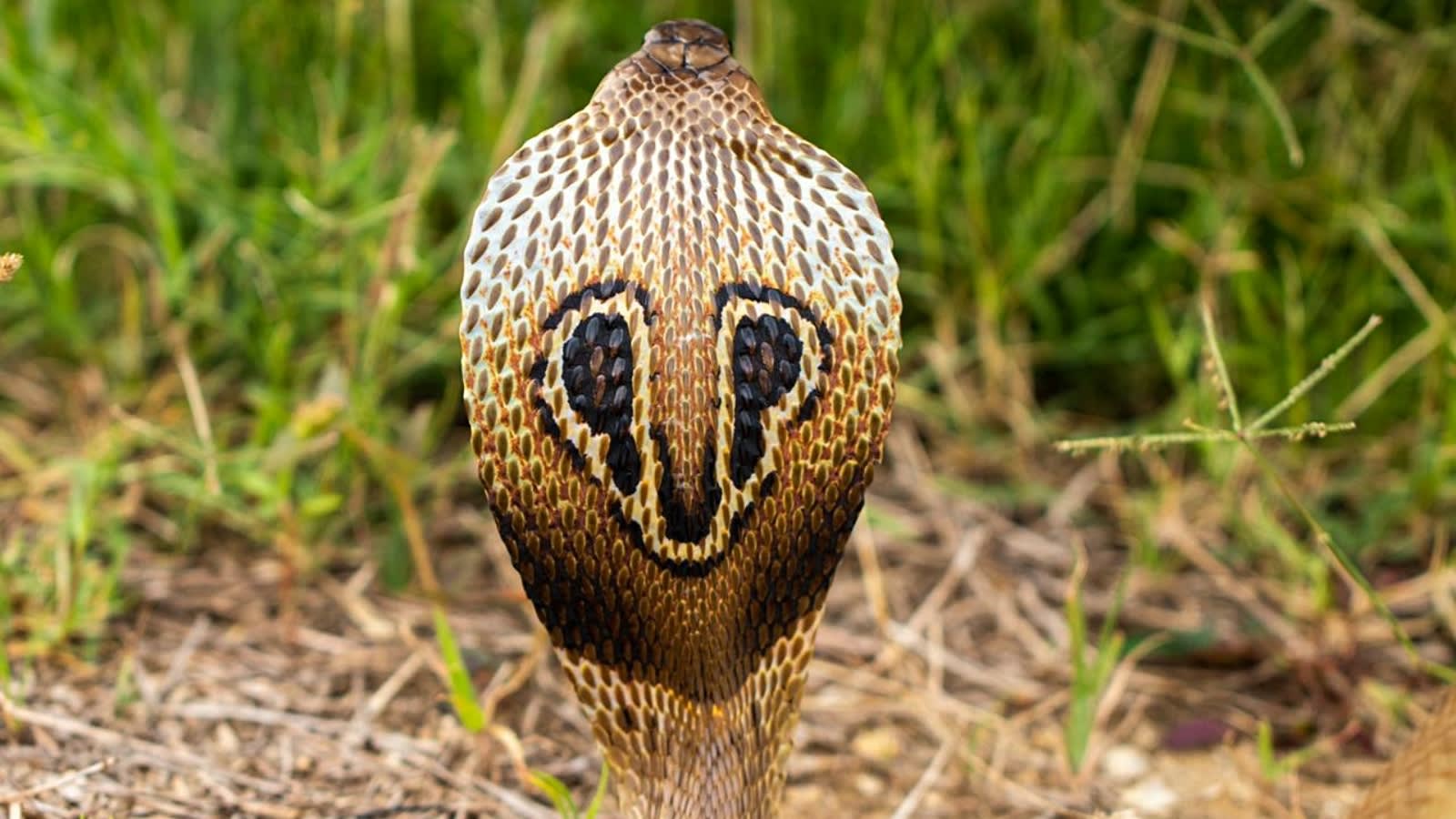
The Indian cobra's iconic hood-spreading behavior is a defensive mechanism designed to deter threats. By appearing larger and more imposing, the snake warns potential predators to maintain a safe distance.
The Biological Mechanics of the Indian Cobra's Hood
The Indian cobra (Naja naja) is globally recognized for its distinct defensive posture, characterized by the elevation of the anterior portion of its body and the expansion of its cervical ribs to form a hood. While often perceived by humans as an act of aggression, biological evidence confirms this is a sophisticated evolutionary adaptation for self-preservation. When the cobra feels threatened or disturbed, it engages in this display to alter its silhouette, making it appear significantly larger and more formidable to potential attackers.
Communication as a Defensive Strategy
At its core, the hood-spreading display serves as a non-verbal warning signal. By expanding its hood, the cobra effectively communicates its readiness to defend itself, aiming to de-escalate potential conflicts before physical contact becomes necessary. This behavior is rooted in the snake’s need to avoid unnecessary energy expenditure and injury; by intimidating a threat, the cobra hopes to persuade the aggressor to vacate the area without further confrontation.
Evolutionary Significance
This dramatic display is a primary survival mechanism for the Naja naja. In the wild, cobras face a variety of threats, ranging from larger mammals to birds of prey. The ability to instantly transform its appearance acts as a psychological deterrent. By appearing more imposing, the snake utilizes visual mimicry of a larger predator or a more dangerous organism, successfully exploiting the survival instincts of its own adversaries.
Human Interaction and Perception
Human perception of the Indian cobra has long been colored by the dramatic nature of this display. Often misinterpreted as "angry" or "ready to fight," the behavior is actually a manifestation of fear and caution. The misconception that the snake is inherently aggressive can lead to dangerous human-wildlife encounters. Understanding that the cobra is signaling a desire for distance is crucial for safety, as the hood-spreading is a clear indicator that the animal feels trapped or threatened.
Future Implications for Conservation
As human encroachment into natural habitats increases, encounters between humans and Indian cobras are becoming more frequent. Education regarding the biological intent behind the cobra’s display is essential for mitigating human-snake conflict. By fostering a better understanding of these animals as reactive rather than predatory toward humans, conservationists hope to reduce the unnecessary killing of these snakes, which play a vital role in local ecosystems by controlling rodent populations.
Conclusion
In summary, the Indian cobra’s hood-spreading is a nuanced defensive maneuver rather than an act of malice. This behavior highlights the complex evolutionary path the species has taken to ensure survival in a competitive environment. By respecting this visual warning, humans can coexist more safely with this iconic species, ensuring the preservation of biodiversity in regions where the Indian cobra remains a key ecological player.