Lack of cloud cover pushes temperatures above 39°C in Andhra Pradesh, says CWC official
Source Entity
India Latest News: Top National Headlines Today & Breaking News | The Hindu
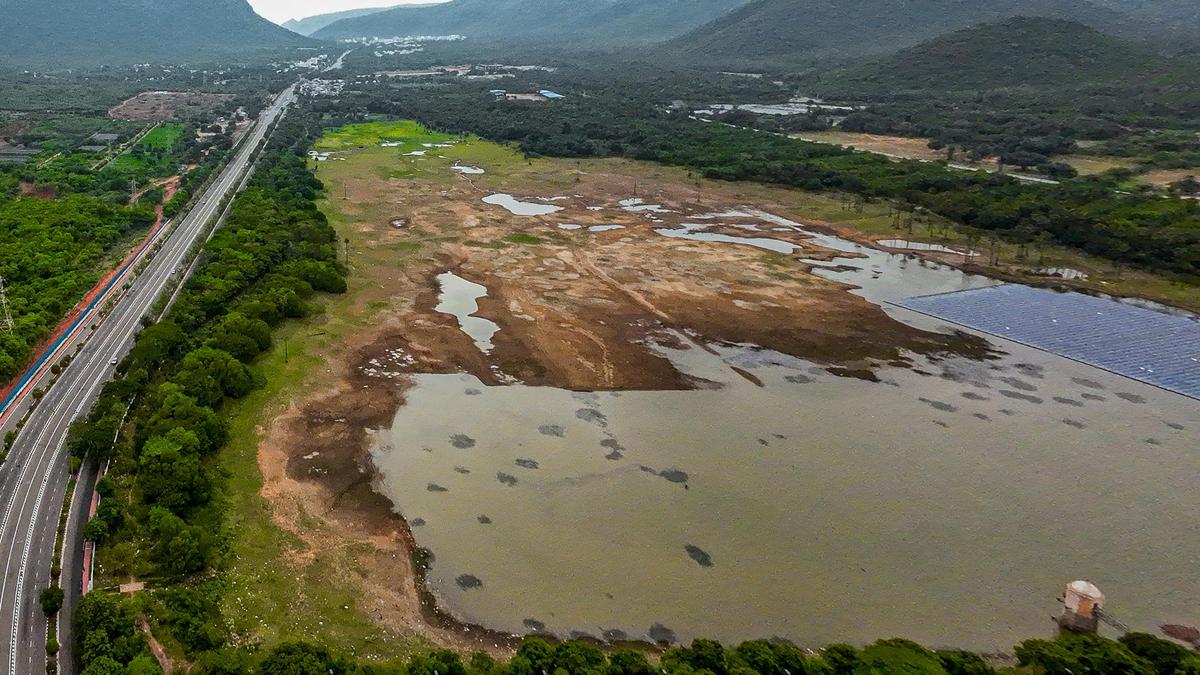
Andhra Pradesh experienced a surge in temperatures exceeding 39°C due to clear skies and lack of cloud cover. The IMD expects light to moderate rain across the region in the coming week to offer potential relief.
Andhra Pradesh Faces Temperature Spike Amid Clear Skies
Recent meteorological data from Andhra Pradesh indicates a significant rise in maximum temperatures, with several coastal regions surpassing the 39°C threshold. According to P.L.N. Murthy, head of the Cyclone Warning Centre (CWC) in Visakhapatnam, this upward trend in heat is primarily attributed to a lack of cloud cover, which has allowed for increased solar radiation to penetrate the surface. While these temperatures are notably high, officials have clarified that they do not yet constitute a heatwave, serving as a reminder of the volatility of regional weather patterns.
Mapping the Heat Distribution
The India Meteorological Department (IMD) center in Amaravati reported that Ongole and Kavali recorded the highest temperatures in the state, reaching 39.3°C each. Other areas, including Nellore and Bapatla, followed closely, reflecting a widespread warming trend across coastal districts. The data also highlights a significant departure from seasonal norms, with Bapatla recording a 5.1°C deviation above average, signaling that the current heat is unusually intense for this period.
Meteorological Drivers and Atmospheric Conditions
The absence of cloud cover acts as a catalyst for these temperature spikes, as clouds typically serve as a natural barrier to direct sunlight. Without this mitigation, the ground and ambient air temperatures rise rapidly. The consistency of these high readings across multiple stations—from Visakhapatnam airport to Tuni and Tirupati—suggests a uniform atmospheric influence affecting the entire state's coastal belt.
Analyzing the Deviation from Norms
One of the most critical aspects of this report is the 'departure from normal' metric. When stations like Kavali and Visakhapatnam report deviations between 4.4°C and 4.8°C, it underscores the severity of the heat relative to historical expectations. This statistical anomaly is essential for meteorologists to track, as it helps determine the potential for long-term climate shifts and informs the urgency of public health advisories issued during periods of extreme weather.
Future Outlook and Anticipated Relief
Despite the current heat, the IMD weather forecast offers a note of optimism for residents of Andhra Pradesh. The meteorological outlook suggests that isolated light to moderate rain is likely to occur across all districts over the next seven days. This change in weather patterns is expected to introduce cloud cover and humidity, which should effectively suppress the current spike in maximum temperatures and provide much-needed respite from the sweltering conditions.
Conclusion
While the current temperature readings in Andhra Pradesh are concerning, the situation remains within manageable parameters. The combination of clear sky-induced heating and the anticipated arrival of rainfall demonstrates the complex, shifting nature of the region's climate. Residents are advised to stay updated with IMD bulletins as the state transitions from this dry, hot phase toward the forecasted period of precipitation.
Verification Required?