Munnar to Kodaikanal: Top places to see Neelakurinji flowers in India
Source Entity
The Indian Express
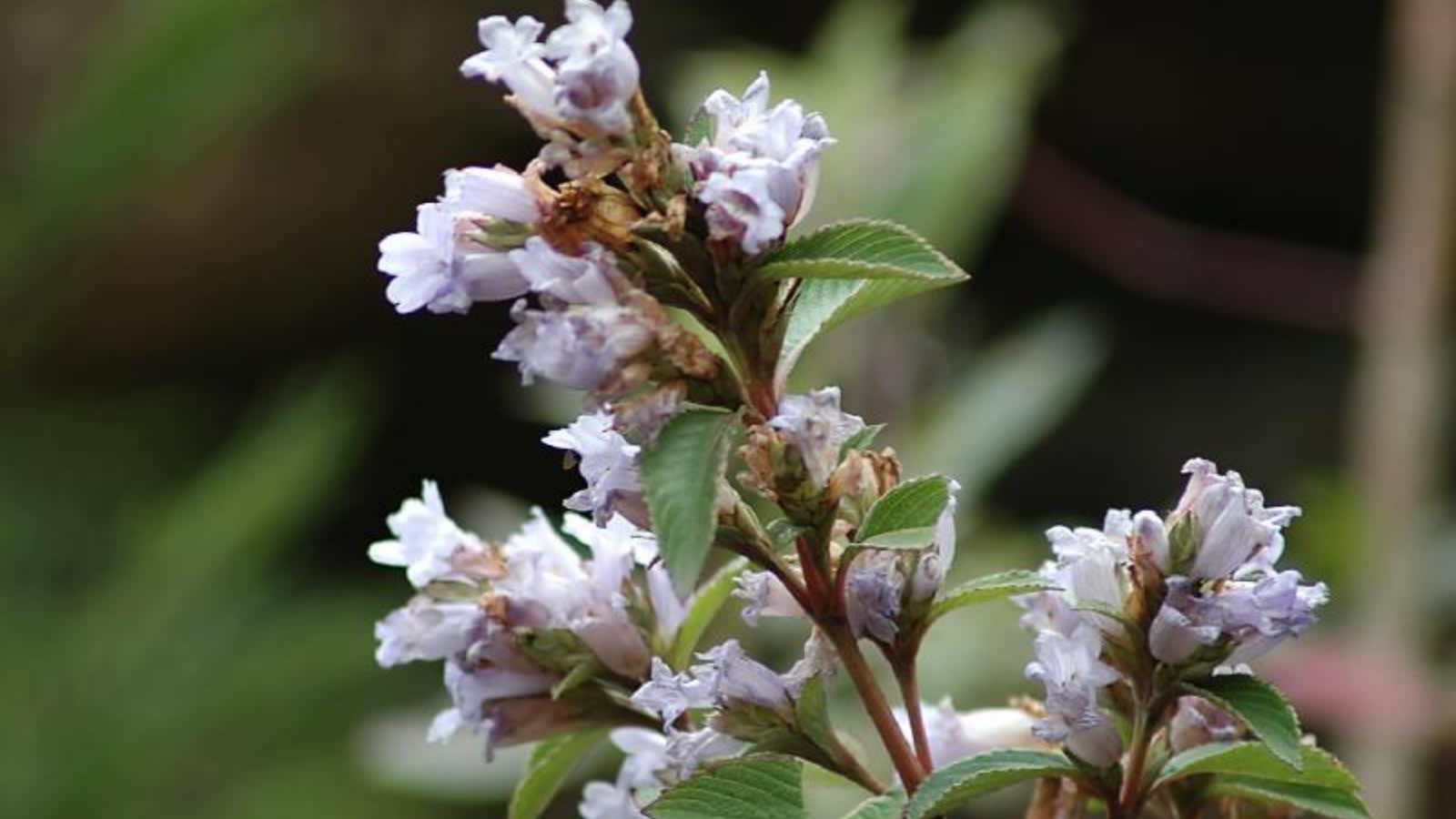
The rare Neelakurinji flower, scientifically known as Strobilanthes kunthiana, is famous for its unique 12-year mass flowering cycle in the Western Ghats. Travelers are advised to consult official forest department updates before visiting key locations like Munnar to ensure they align with active blooming periods.
The Botanical Marvel of the Western Ghats: Understanding the Neelakurinji
The Strobilanthes kunthiana, colloquially known as the Neelakurinji, stands as one of the most enigmatic botanical phenomena in the Indian subcontinent. Found primarily within the high-altitude shola-grassland ecosystems of the Western Ghats, this shrub is defined by its spectacular violet-blue flowering event. Unlike typical seasonal flora, the Neelakurinji possesses a rare, synchronized life cycle, typically occurring once every twelve years, which transforms entire hillsides into vibrant, monochromatic landscapes.
The Science Behind the Cycle
This mass-flowering event is a biological strategy known as 'predator satiation.' By blooming simultaneously in massive numbers after a decade-long wait, the plants overwhelm local seed-predators, ensuring that enough seeds survive to perpetuate the next generation. This evolutionary adaptation makes the Neelakurinji a subject of immense interest for botanists and ecologists studying the resilience and reproductive strategies of alpine plants in tropical regions.
Geographic Significance and Distribution
While the Neelakurinji is synonymous with the Western Ghats, its distribution spans across the states of Kerala, Tamil Nadu, and Karnataka. These high-altitude regions provide the specific climatic conditions—cool temperatures and misty, high-moisture environments—required for the plant to thrive. The most iconic destination for witnessing this spectacle remains Munnar, Kerala, where the surrounding high ranges offer the necessary topography for the flowers to create their famous 'blue carpet' effect.
Navigating the Flowering Seasons
One of the most critical aspects for enthusiasts and researchers alike is the unpredictability of the bloom. Because the last major flowering seasons occurred in the late 2010s and early 2020s, it is vital to understand that the Neelakurinji does not bloom annually. The specific timing of the cycle can be influenced by micro-climatic shifts, making it essential for prospective visitors to cross-reference their travel plans with official announcements from local forest departments.
Conservation and Tourism Implications
As interest in eco-tourism grows, the Neelakurinji has become a significant draw for travelers, often leading to heavy foot traffic in sensitive ecological zones. The influx of tourism necessitates a balance between human access and the preservation of the shola-grassland habitat. Protecting these areas is not only vital for the Neelakurinji but for the entire biodiversity of the Western Ghats, which is recognized as a global biodiversity hotspot.
Future Outlook
As we look toward future flowering events, the role of climate monitoring will become increasingly important. Changing weather patterns and habitat fragmentation pose potential risks to the established cycle of Strobilanthes kunthiana. Consequently, the emphasis must remain on sustainable tourism and rigorous scientific observation to ensure that this rare, decade-spanning natural spectacle continues to grace the hills of Southern India for generations to come.