Iran plans 'exclusion zone' near Strait of Hormuz as tensions with US flare again
Source Entity
VIJAYA SRIVASTAVA
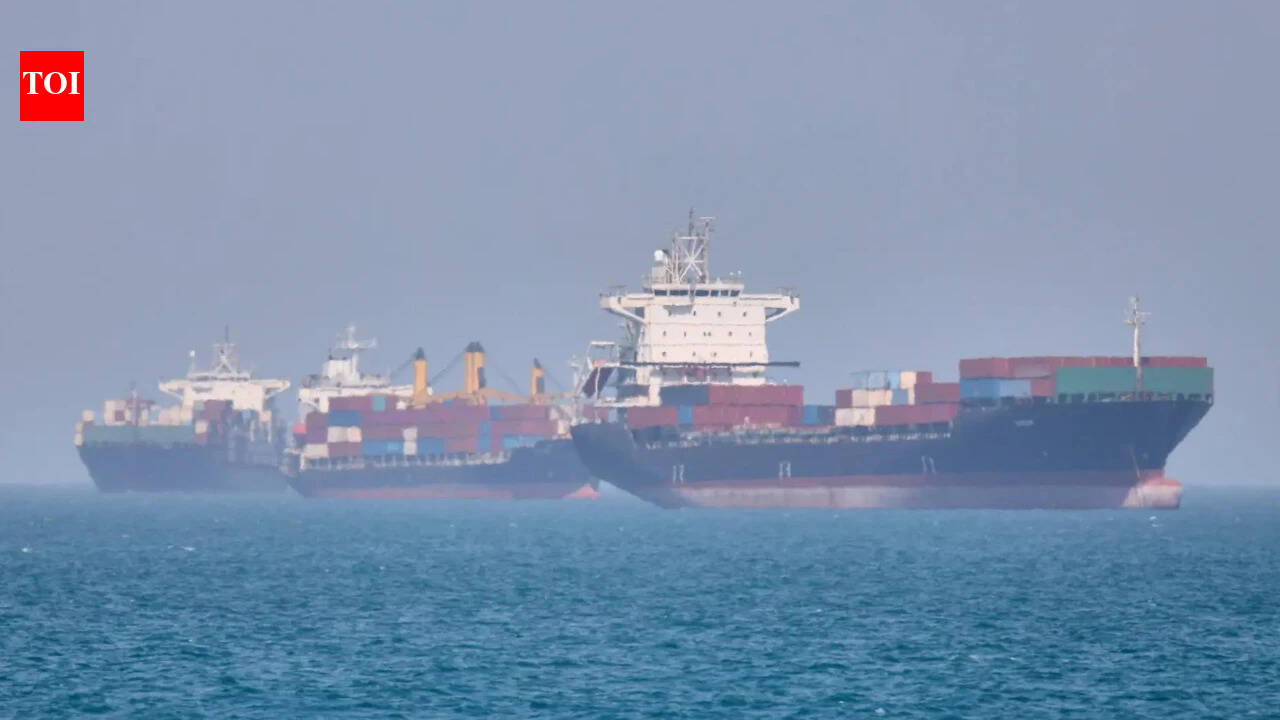
Iran is planning to establish an 'exclusion zone' near the Strait of Hormuz to challenge US naval presence and enforce new sanctions on vessels. While Tehran claims recent military successes against US warships, these reports lack independent verification from CENTCOM.
Tensions Escalate at the Strait of Hormuz
Recent reports indicate that Iran, through its top security official Mohsen Rezaei, is preparing to announce a formal 'exclusion zone' near the Strait of Hormuz. This strategic move is framed as a direct response to what Tehran characterizes as a prolonged U.S. naval blockade affecting its ports. By extending this zone from the blockade line through the Strait and into the Persian Gulf, Iran aims to assert greater control over one of the world’s most critical maritime chokepoints.
The Claim of Military Confrontation
Central to the rhetoric surrounding this announcement are claims by Iranian officials that a recently test-fired anti-ship missile forced a U.S. carrier and destroyer to retreat from the area. However, it is vital to note that there is currently no independent corroboration or official confirmation from U.S. Central Command (CENTCOM) regarding this specific engagement. The lack of verifiable evidence suggests that these claims may be part of a broader psychological or strategic signaling campaign rather than a documented kinetic event.
Geopolitical Implications of the Exclusion Zone
The announcement of an exclusion zone serves as a significant escalation in the ongoing friction between Tehran and Washington. By threatening to place ships entering this zone on an Iranian sanctions list, Tehran is attempting to project sovereign authority over international waters. This move underscores the high stakes involved, as the Strait of Hormuz remains an essential corridor for global energy transportation, and any disruption to transit could have immediate, far-reaching impacts on international oil markets and regional stability.
Diplomatic Hurdles and Strategic Demands
Tehran’s posturing appears to be inextricably linked to its desire for firmer guarantees from the United States before committing to any new diplomatic process. The Iranian leadership is signaling that the current economic pressure and military skirmishes have made the status quo untenable. By creating a physical challenge to U.S. naval operations, Iran is attempting to leverage its geographic advantage to gain political and economic concessions at the negotiating table.
Future Trends and Regional Stability
Looking ahead, the success of this strategy remains uncertain. The intersection of a U.S. naval blockade and an Iranian-declared exclusion zone creates a volatile environment where the risk of miscalculation is high. As fighting resumes following a period of relative calm, the international community will be closely watching whether these threats translate into actual maritime restrictions or if they remain primarily a tool of diplomatic brinkmanship. The stability of the global energy supply chain remains heavily dependent on how both nations navigate these increasingly narrow and dangerous waters.