The Obsolescence of the Hyper-Hub
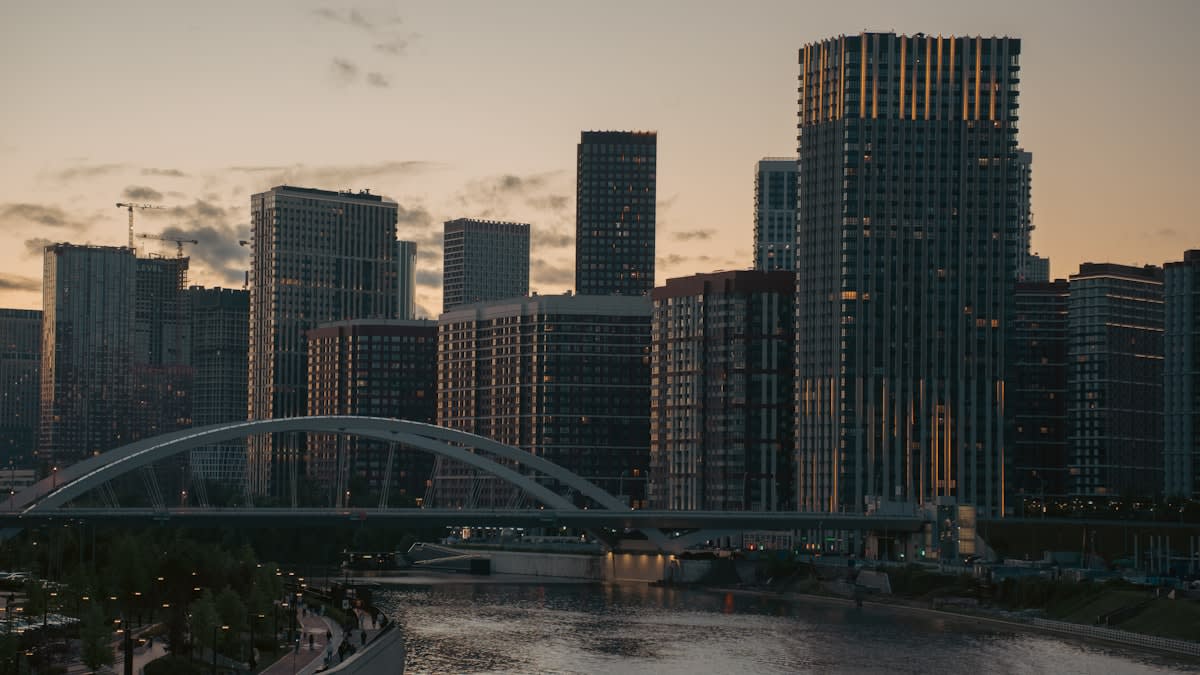
For decades, the global economy operated on a centripetal logic: if you wanted to be at the frontier of finance, technology, or art, you moved to the center. London, Tokyo, New York, and Shanghai weren't just cities; they were the only viable operating systems for high-ambition careers. This concentration created a feedback loop where talent attracted capital, and capital attracted more talent, cementing the megacity as the ultimate prize. But the prize has become prohibitively expensive, and the operating system is crashing under the weight of its own success.
What we are witnessing now is not a temporary retreat or a suburban flight, but a systemic decoupling. The most talented individuals—those with the highest mobility and the lowest dependence on physical presence—are realizing that the megacity has transitioned from an accelerator to a tax. When a significant percentage of a high-earner's income is consumed by basic survival costs like housing and transit, the city stops being a tool for wealth creation and starts becoming a liability. Why pay a 40% premium on living costs for the sake of a networking event that could now happen on a screen?
This shift is driven by the realization that proximity was a proxy for access. In the old world, being in the same zip code as a venture capitalist or a creative director was the only way to enter their orbit. Today, digital infrastructure has democratized that access. The 'network effect' is no longer bound by geography. When the barrier to entry for global collaboration drops to near zero, the primary reason to endure the friction of a megacity—the fear of missing out—evaporates. The result is a migration toward what I call Strategic Sanctuaries.
The Theory of Optimal Density
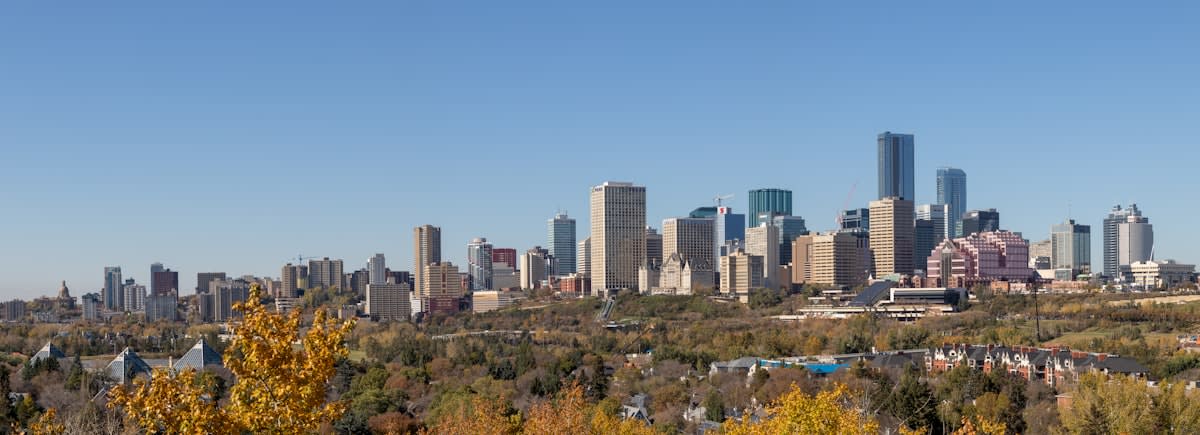
The 'Optimal Density' point is the sweet spot where a city is large enough to provide a critical mass of diverse talent and culture, but small enough to maintain an affordable cost of living and a high quality of life. It is the transition from the 'Hyper-Hub' to the 'Human-Scale Hub'.
The Math of the Migration
To understand why the second-tier city is winning, we have to look at the cost-to-value ratio. In a megacity, the cost of living often scales exponentially while the marginal utility of adding another million people to the city center scales logarithmically. You reach a point of diminishing returns where the stress of the commute, the pollution, and the housing crisis actually degrade the cognitive performance of the talent. High-performers are now optimizing for 'cognitive surplus'—the mental space that opens up when you aren't spending three hours a day in traffic or worrying about a rent hike that consumes half your salary.
| Metric | Hyper-Hub (Tier 1) | Strategic Sanctuary (Tier 2) |
|---|---|---|
| Cost of Living Index | 120-150 (Inflated) | 70-90 (Balanced) |
| Talent Concentration | Extreme / Saturated | High / Growing |
| Quality of Life Score | Low (Congestion/Stress) | High (Wellness/Space) |
| Innovation Velocity | Incremental / Corporate | Disruptive / Agile |
| Housing Accessibility | Critical Shortage | Manageable Growth |
The economic arbitrage here is staggering. A software architect earning a San Francisco or London salary while living in a city like Lisbon, Curitiba, or Da Nang effectively triples their purchasing power. This isn't just about saving money; it's about autonomy. Financial autonomy allows for greater risk-taking. When your overhead is low, you are more likely to start a company, invest in a side project, or pivot your career. The second-tier city is therefore not just a place to live, but an incubator for entrepreneurial resilience.
"The megacity was designed for the industrial era of centralized command and control. The second-tier sanctuary is designed for the era of distributed intelligence."— Strategic Analyst Perspective
Does this mean the megacities will collapse? Hardly. They will evolve into 'experience hubs'—places people visit for high-intensity bursts of networking, luxury consumption, and cultural events, rather than places where they spend 90% of their waking hours. The city becomes a destination rather than a dormitory. This shift forces megacities to compete on value rather than relying on their historical monopoly over opportunity.
Geographic Arbitrage as a Career Strategy
We are seeing the rise of the 'Strategic Resident.' These are professionals who consciously choose their location based on the intersection of digital connectivity and local amenity. They look for cities with a strong airport connection, a burgeoning cafe culture, and a government that understands the digital economy. They aren't looking for a quiet village; they are looking for a city that is 'just enough.' They want the energy of an urban environment without the pathology of the hyper-hub.
- Digital Infrastructure: High-speed fiber and 5G as a non-negotiable utility.
- Tax Incentives: Regional governments offering 'Digital Nomad' visas or tax breaks to attract high-net-worth talent.
- Cultural Density: A local arts and food scene that prevents the 'boredom threshold' from being hit.
- Environmental Access: Proximity to nature as a primary driver for mental health and productivity.
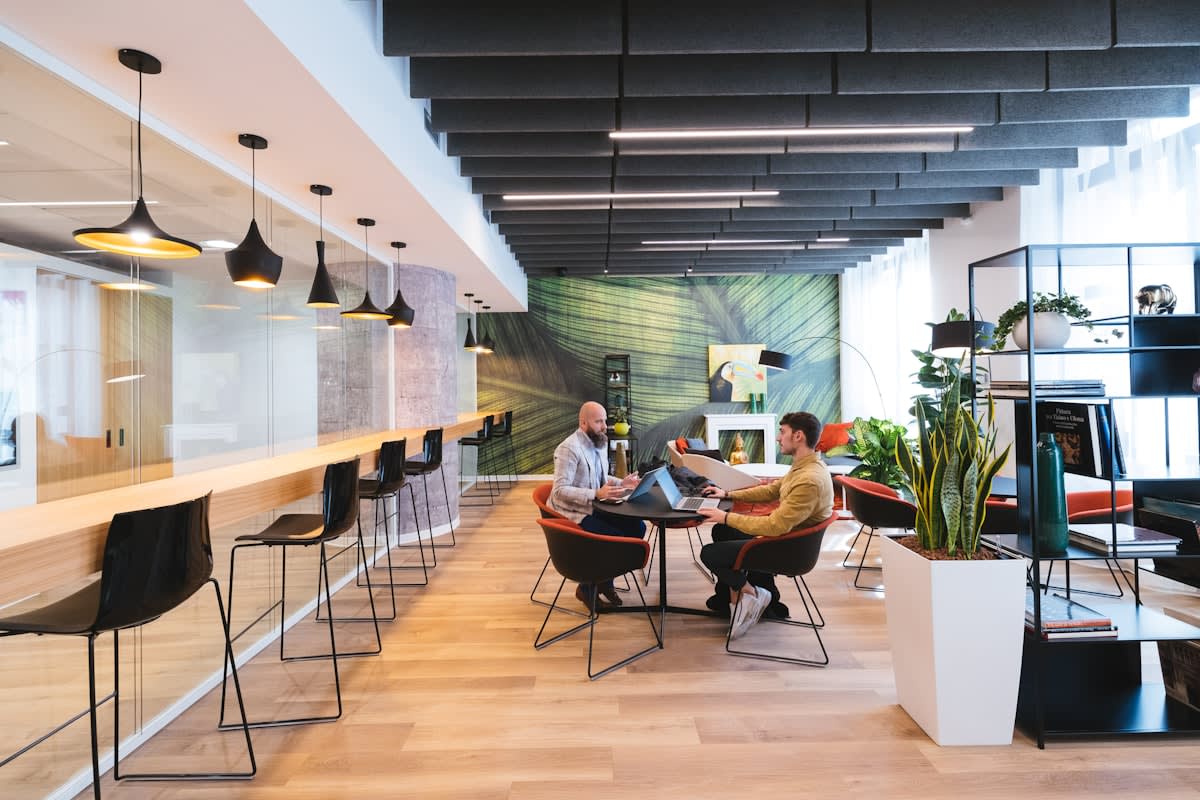
This migration is creating a 'Brain Gain' for cities that were previously overlooked. When a hundred top-tier engineers move to a mid-sized city, they don't just bring their salaries; they bring their expectations, their networks, and their venture capital connections. This triggers a secondary wave of growth. Local services improve, coworking spaces proliferate, and a local ecosystem of startups begins to form around these early arrivals. The second-tier city becomes a magnet in its own right.
Consider the systemic ripple effect on real estate. For years, the only way to build wealth in real estate was to buy into the most expensive markets, hoping for further appreciation. But as the talent pool diversifies geographically, the demand is shifting. We are seeing a redistribution of capital toward regional hubs. This isn't a bubble; it's a correction. The market is finally pricing in the value of quality of life and the reality of remote work.
The Polycentric Future
The future of human settlement is polycentric. Instead of a few massive suns around which everything orbits, we will have a constellation of specialized hubs. One city might become the global center for biotech, another for sustainable architecture, and another for digital governance, regardless of its size or historical status. The 'tier' system itself is becoming obsolete, replaced by a 'specialization' system. The value of a city will no longer be measured by its population, but by the specific type of talent it attracts and sustains.
This transition requires a new kind of leadership from regional governments. Those who try to simply 'copy' the megacity model—by building massive skyscrapers and corporate parks—will fail. The winners will be the cities that lean into their unique identity and focus on the 'human' side of the equation. They will prioritize walkability, green space, and community integration over sheer scale. They will realize that the talent they are attracting isn't looking for a smaller version of New York; they are looking for something that New York can no longer provide.
Ultimately, the rise of the second-tier sanctuary is a story of resilience and adaptation. It is a rejection of the 'grind culture' that defined the early 21st century and an embrace of a more sustainable, intentional way of living. The world's most talented people are no longer willing to sacrifice their health and sanity for a prestigious address. They are choosing the sanctuary, and in doing so, they are rebuilding the map of the global economy.