Michael Burry says he only invests in ‘three-legged dogs’ — though five legs would be even better
Source Entity
Yahoo Finance
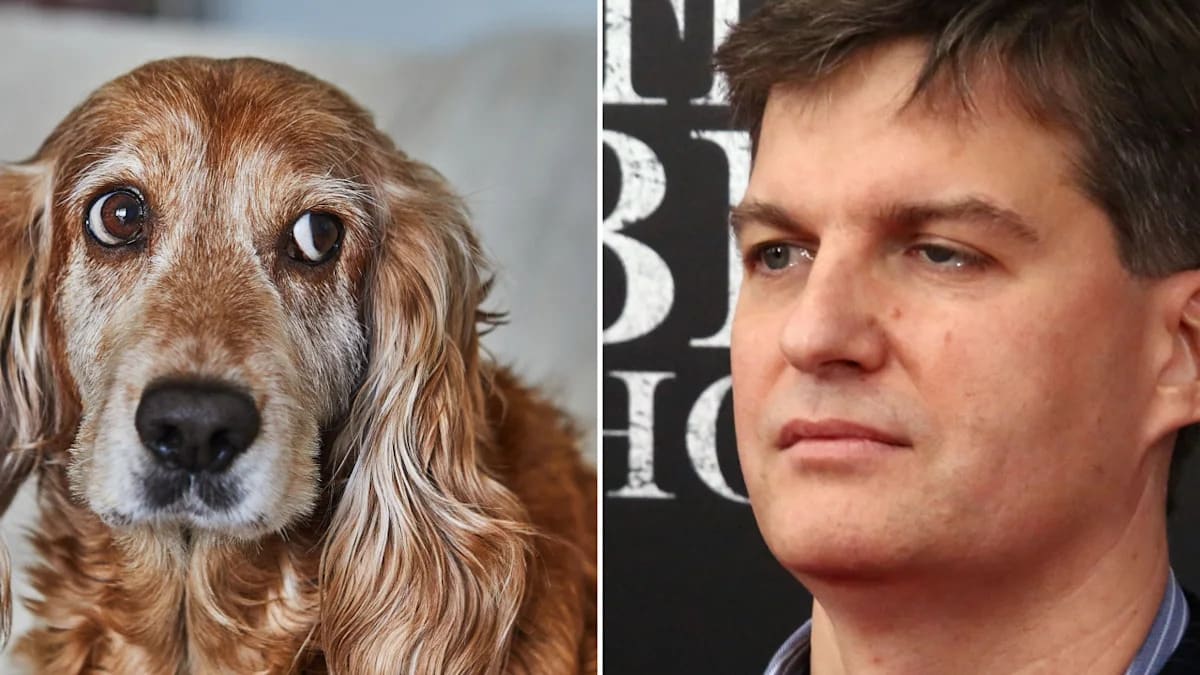
Investor Michael Burry is diversifying into fine wine, applying his signature 'three-legged dog' strategy to undervalued assets. He seeks multiple independent catalysts for success in every investment rather than relying on a single thesis.
The Strategy of the Contrarian: Deconstructing Michael Burry’s Investment Philosophy
Michael Burry, the famed investor known for his prescient bet against the U.S. housing market prior to the 2008 financial crisis, has turned his attention to the fine wine market. Following a significant correction in wine prices from their 2022 peaks, Burry has identified this asset class as a potential target for his unique investment methodology. By moving into such an exotic sector, Burry continues to defy mainstream market sentiment, reinforcing his reputation as a quintessential contrarian.
The 'Three-Legged Dog' Framework
Central to Burry’s decision-making process is his self-described "three-legged dog" framework. This philosophy dictates that no investment should rely on a solitary thesis or a single point of failure. Instead, Burry seeks out assets that possess multiple, independent catalysts for growth or value realization. By requiring at least three—and ideally five—distinct "legs" to support an investment, he effectively hedges against the volatility inherent in speculative markets.
Why Fine Wine?
Burry’s interest in bonded fine wine is a testament to his search for value where others may see only instability. After the asset class experienced a sharp decline from its 2022 highs, the valuation gap widened, creating a scenario that fits his contrarian model. For Burry, the appeal of wine lies not just in the product itself, but in the structural market dynamics that allow for a multi-faceted thesis, satisfying his requirement for redundant layers of safety and upside potential.
Risk Management and Independent Catalysts
The core of the "three-legged dog" approach is robust risk management. In traditional financial modeling, relying on a single assumption—such as interest rate shifts or consumer spending trends—can lead to catastrophic losses if that assumption proves incorrect. By demanding independent factors, Burry ensures that if one "leg" of his thesis fails, the investment remains supported by others. This is a sophisticated application of diversification that goes beyond mere asset allocation, focusing instead on the diversity of the underlying investment logic.
Broader Implications for Market Strategy
Burry’s recent commentary on Substack highlights a shift toward more tangible, alternative assets in an era of macroeconomic uncertainty. His focus suggests that institutional and sophisticated retail investors are increasingly looking for uncorrelated assets that can withstand broader market fluctuations. As Burry continues to refine his portfolio with these unconventional choices, he underscores a fundamental truth in finance: sustained outperformance often requires the discipline to demand multiple layers of verification before committing capital.
Conclusion: A Legacy of Skepticism
Ultimately, Michael Burry’s move into fine wine is a logical extension of the analytical rigor that made him a household name in The Big Short. By refusing to rely on single-narrative investments, he maintains a defensive posture that has historically protected him during market downturns. Whether or not his venture into wine proves as successful as his housing market bet, his commitment to the "three-legged dog" standard serves as a masterclass in disciplined, contrarian value investing.