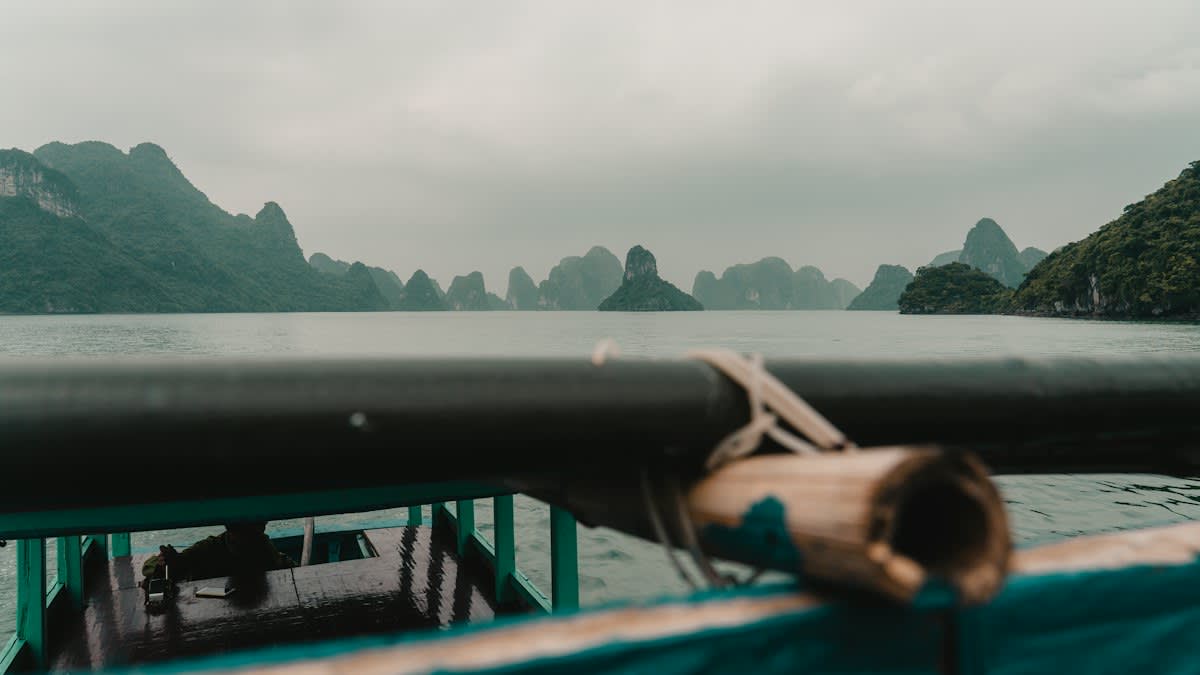
Speed is a lie. For decades, the luxury sector equated prestige with the ability to vanish from one continent and reappear on another in a matter of hours. Now, the clock has stopped. Wealth seeks weight. As affluent travelers grapple with the psychological burden of ecological anxiety, the sterile efficiency of a first-class cabin begins to feel like a gilded cage. They want the ground.
The Myth of Velocity
Air is easy. The Asian Development Bank reported that air travel accounted for 74% of tourist arrivals in South East Asia in 2022, dwarfing all other modes (Source: Mordor Intelligence, 2026). The grip of aviation is tight. Ground is slow. Land and sea transport only accounted for 15% and 11% of arrivals respectively, creating a massive imbalance in how the wealthy move (Source: Mordor Intelligence, 2026). This is changing now.
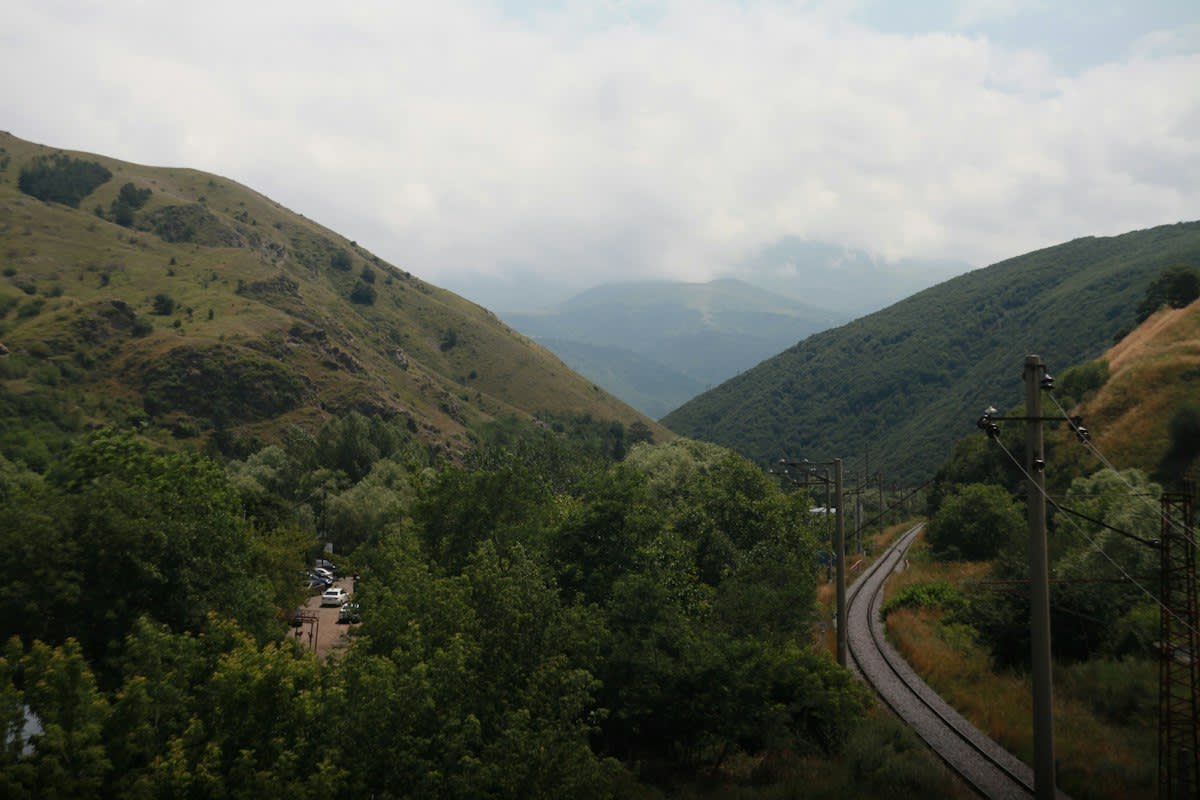
Connectivity is failing. While ASEAN pushes to increase intra-regional travel from 38% in 2024 to between 40% and 45% by 2030, the method of movement is under scrutiny (Source: Mordor Intelligence, 2026). The destination matters less. High-value travelers now prioritize wellness, privacy, and tailored stays over the sheer speed of arrival. Experience is the new currency. These individuals are no longer buying a ticket to a place, but rather the time it takes to get there. Slowness is the ultimate flex.
The Weight of Guilt
Guilt is heavy. Participants in a qualitative study described ecological anxiety as a cycle of sin and penance, where carbon footprints are calculated with obsessive precision (Source: Frontiers in Psychology, 2026). Shame drives the choice. Nature is vast. Some travelers now view global warming as a hyperobject, a phenomenon so large in time and space that it defies standard human comprehension (Source: Frontiers in Psychology, 2026). Flight feels like sin.
"Morton coined the term hyperobject to describe phenomena such as global warming, which are so vast in time and space that they defy comprehension as distinct events."— Timothy Morton, Philosopher (Cited in Frontiers in Psychology, 2026)
Anxiety is a motor. This psychological distress often manifests as anger directed at oneself or others for irresponsible data consumption and environmental impact (Source: Frontiers in Psychology, 2026). The mind seeks peace. By removing the flight from the itinerary, the traveler attempts to suture the gap between their luxury lifestyle and their ethical ideals. It is a desperate move. This transition is not about saving the planet, but about saving the self from the crushing weight of ecological shame. Penance has become a product.
Grounding the Elite
Planning is shifting. Digital travel spending in South East Asia increased by 13.3% in 2025, reflecting a more deliberate approach to trip design (Source: Mordor Intelligence, 2026). The window is widening. Average booking windows extended to 83 days in 2025, up from just 46 days in 2024 (Source: Mordor Intelligence, 2026). Intentionality requires time. This extension allows operators to sell complex, bundled itineraries that replace a single flight with a series of land-based experiences. The journey is the product.
| Transport Mode | Arrival Share (SE Asia 2022) | Luxury Trend Direction |
|---|---|---|
| Air | 74% | Decreasing (Psychological Pushback) |
| Land | 15% | Increasing (Intra-regional focus) |
| Sea | 11% | Increasing (Expedition focus) |
Logistics are hard. The move toward land-based luxury requires a level of coordination that current infrastructure often fails to provide. The gap is wide. While digital spending rises, the physical reality of moving high-net-worth individuals across borders without planes remains a logistical nightmare. Operators are struggling. They must balance the client's desire for a flightless experience with the uncompromising demand for five-star comfort. Effort is the cost.
The Maritime Alternative
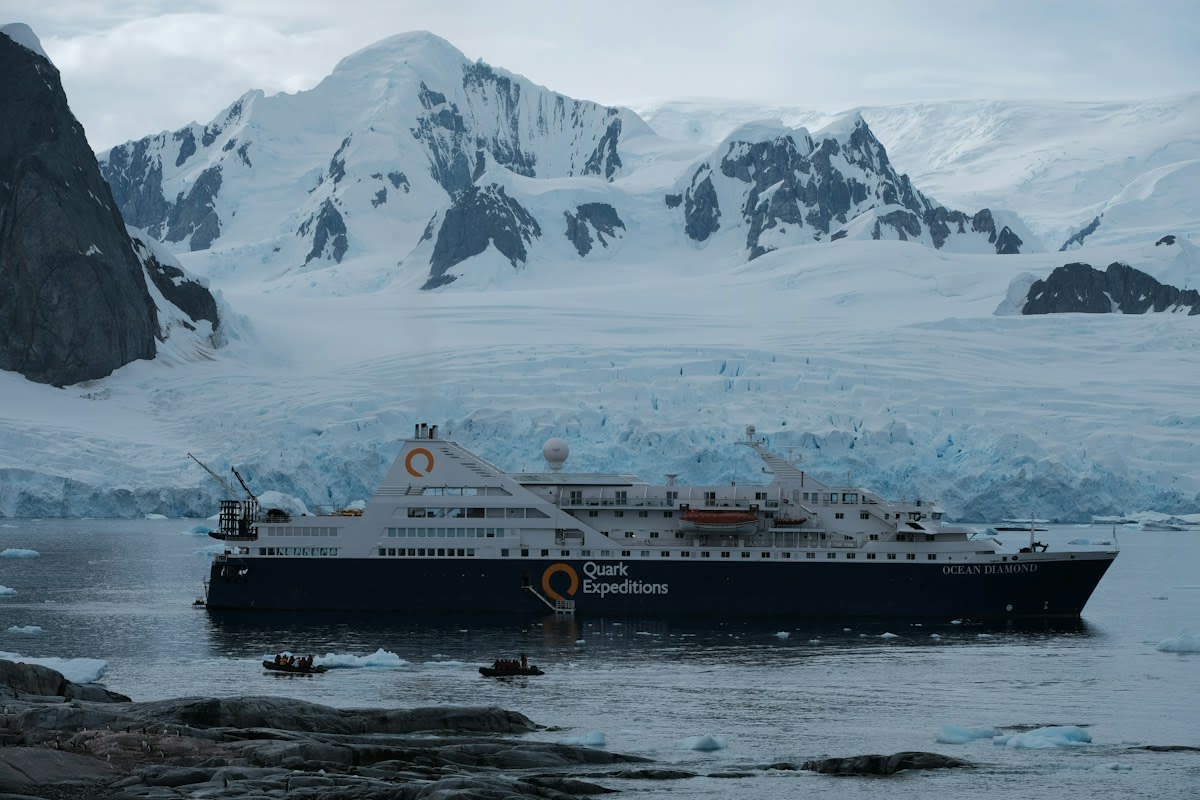
Oceans offer escape. Ultra-luxury expedition yacht cruises now focus on providing personalized services across coastal, polar, and remote marine destinations (Source: OpenPR, 2018). Water replaces the wind. Privacy is king. These voyages combine sophisticated yacht accommodation with expert-led excursions, moving away from the crowded terminals of international hubs (Source: OpenPR, 2018). The sea is silent.
Planners fight hard. The conflict arises when digital booking windows stretch to 83 days, yet the physical infrastructure for land-based ultra-luxury remains fragmented and unreliable. The rub is constant. Industry insiders argue over whether to prioritize the carbon-neutral image or the actual comfort of the guest. Compromise is rare. One side demands an authentic, slow experience, while the other fears the mechanical failure of a slow-travel itinerary. The tension is real.
Luxury is redefining. It no longer means the fastest route, but the most meaningful one. The engine is changing. By embracing the slow descent, the wealthy are attempting to buy back their peace of mind. It is a gamble. Whether this movement can scale beyond a few expedition yachts and luxury trains remains to be seen. The ground is waiting.
Fact-Check & Accuracy Note
This analysis relies on transport data from the Asian Development Bank and market reports from Mordor Intelligence (2026). The psychological framework is derived from qualitative phenomenology published in Frontiers in Psychology (2026). Academic debate continues regarding the actual carbon impact of ultra-luxury yachting versus long-haul aviation, as the 'hyperobject' of climate change complicates simple calculations.
Editorial Note
Editorial Note: The author's contrarian stance highlights that 'Flightless Luxury' is less about environmentalism and more about the management of ecological anxiety among the global elite.