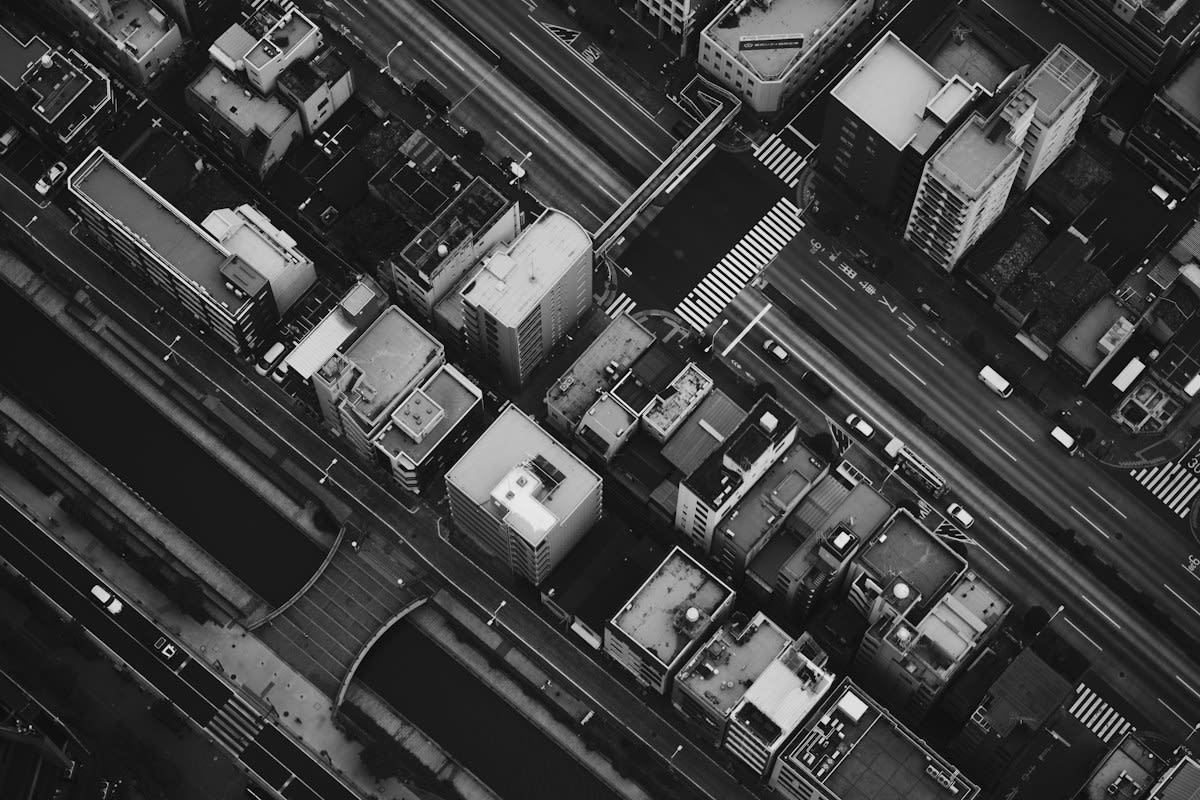
Tokyo does not preserve. It consumes. We are told that adaptive reuse—the act of repurposing old warehouses into galleries or factories into lofts—saves the city from the hollow grip of decay. Is that a lie? Most urbanists treat these projects as trophies. They ignore the reality that these structures are often just cosmetic sutures on neighborhoods that have already lost their soul.
The current trend is not about history. It is about efficiency. We see this in the way the city now treats space as a cache. In the same way that the Arrietty framework optimizes serverless data services by retaining an adaptive subset of reusable data during idle periods to meet SLA constraints (Source: WISE 2026), Tokyo is treating its physical terrain as a buffer. Old buildings are not kept for their beauty. They are kept because the cost of demolition exceeds the immediate utility of the void.
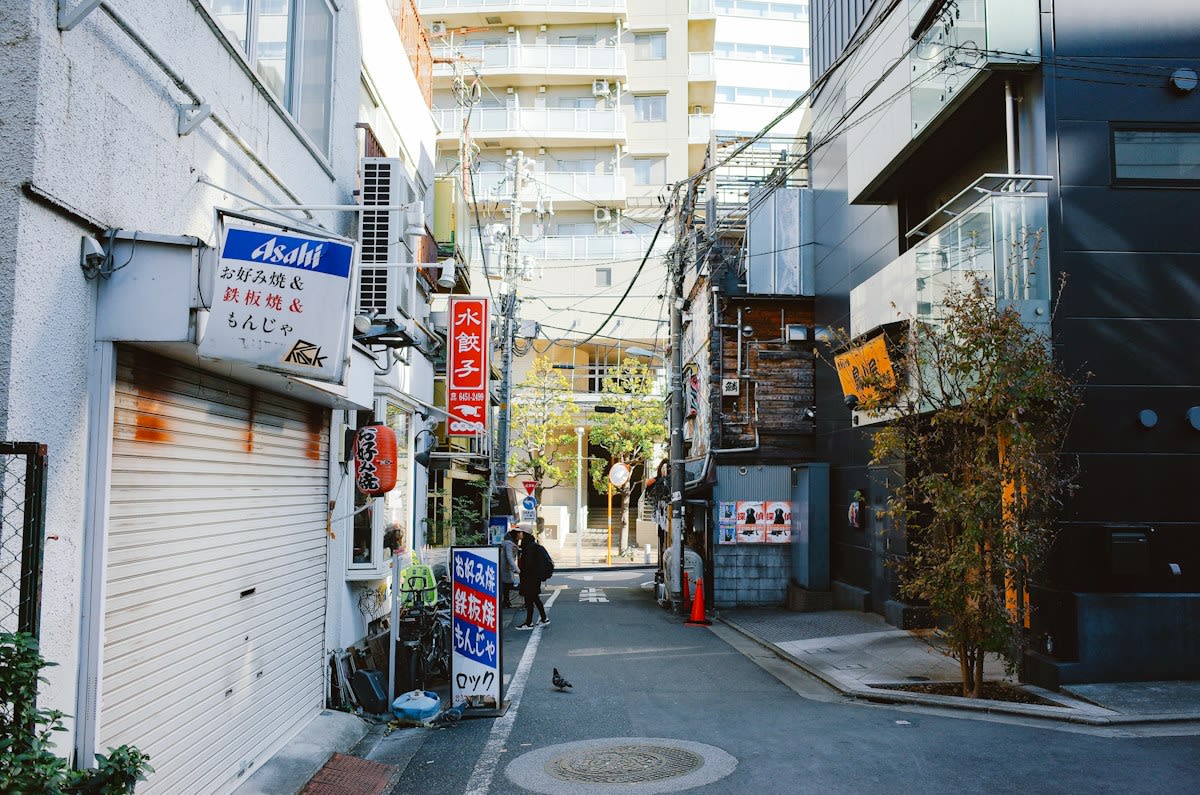
Look at the fraying edges of the city. In districts like Sumida, the reuse of industrial shells is less an artistic choice and more a default setting. The weight of zoning laws makes new construction brittle. Developers find it easier to graft a cafe onto a 1950s machine shop than to fight the municipal web of permits. This is not a curated strategy. It is a collision of necessity and bureaucracy.
The Logic of the Cache: Digital vs. Physical Reuse
Why does this matter now? Because Tokyo is applying a computational logic to its geography. At the Institute of Science Tokyo, researchers are perfecting dual-metric partitioning and adaptive kernel execution to accelerate GCNs (Source: WISE 2026). This drive for extreme efficiency is leaking into the streets. The city is no longer interested in the romanticism of the ruin. It wants a high-hit-ratio for every square meter of land.
"The concept of reusable experience memory allows us to compose services that adapt to the user's history without starting from zero."— Ryohei Sato, National Institute of Informatics
Sato's work on experience memory (Source: WISE 2026) provides a chillingly accurate metaphor for Tokyo's urbanism. The city is attempting to build a physical experience memory. By keeping the shells of old buildings, it retains a ghost of the past to make the new commercial injections feel authentic. It is a form of architectural caching. The 'memory' is retained not for the sake of the past, but to optimize the current user experience.
| Reuse Metric | Physical Urbanism (Tokyo) | Digital Infrastructure (WISE 2026) |
|---|---|---|
| Primary Driver | Zoning Friction | SLA Constraints |
| Mechanism | Facade Retention | Cache-Retention Framework |
| Goal | Aesthetic Authenticity | Reduced Tail-Latency |
| Failure State | Gentrification / Hollow Shells | Cache Miss / Cold Start |
This approach is not unique to Japan. Compare it to the housing movements in Sweden, where projects like ETC Bygg focus on longitudinal durability and the shifting interpretations of tenants over decades (Source: Diva-Portal, 2026). Sweden treats reuse as a social contract. Tokyo treats it as a technical optimization. One seeks to house a community; the other seeks to saturate a market.
The result is a brittle urban fabric. When a warehouse becomes a luxury boutique, the original social web is torn. The 'reuse' is purely formal. The function is replaced. The people are displaced. This is the mechanical failure of the adaptive reuse trend: it saves the brick but kills the neighborhood.
The Material Cost of Sustainability
Can we actually quantify the success of this reuse? The global benchmark is shifting. In Austria, the focus has moved toward the valorization of NORM residues, with a strict goal to increase the reuse and preparation for reuse of municipal waste to 10% (Source: IAEA, 2026). They operate under a strict dose criterion of 1 mSv/y to ensure that radiological risks are not over-weighted (Source: IAEA, 2026). This is a rigorous, scientific approach to reuse.
Tokyo's adaptive reuse lacks this rigor. There is no 'dose criterion' for gentrification. There is no measurement of how much social activity is lost when a neighborhood's industrial grip is loosened to make room for 'creative hubs.' The city is merely shifting the waste from the landfill to the street, creating a landscape of high-end voids.
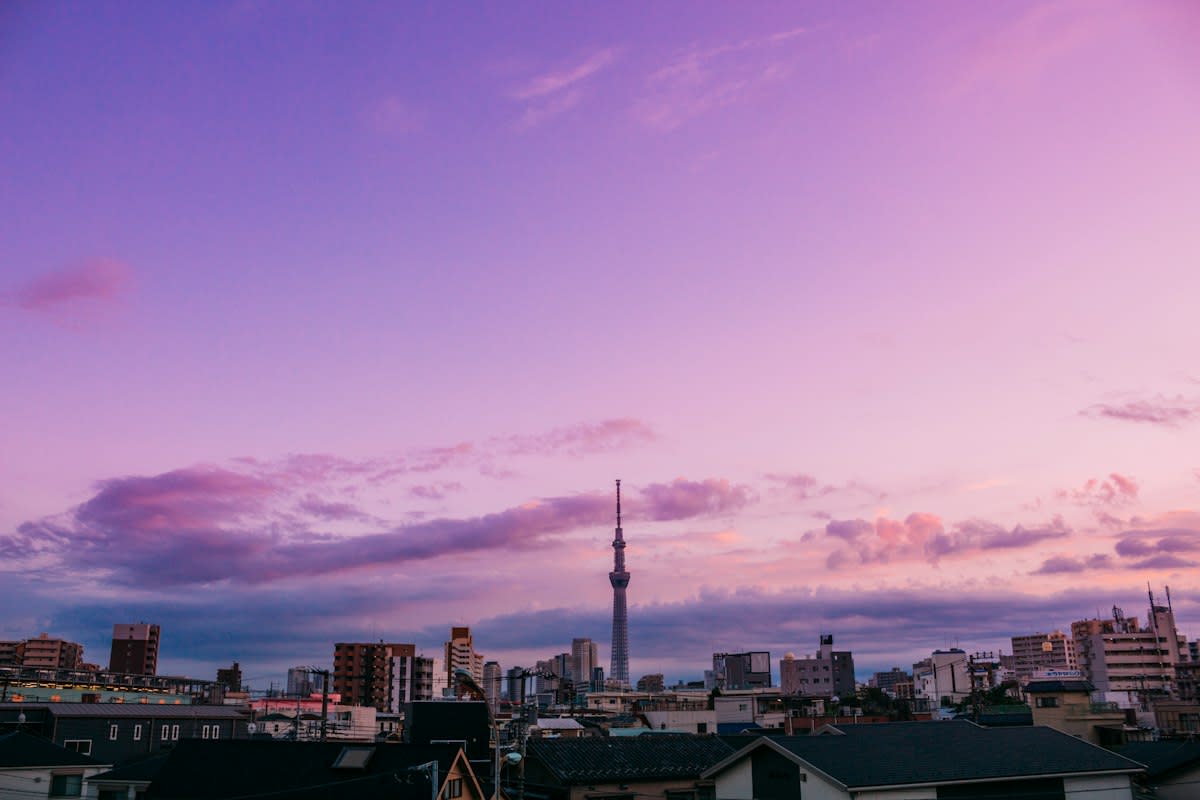
From a practitioner's perspective, the friction is found in the 'invisible' negotiations between the Metropolitan Government and small-lot owners. The real dispute isn't about aesthetics. It is about the 'right to decay.' Many owners prefer the hollow silence of an empty lot over the complex liability of a repurposed structure. The industry is split between those who see the building as an asset and those who see it as a liability that refuses to die.
Does this prevent urban decay? No. It merely rebrands it. Decay is a natural process. By attempting to suture the city with artificial 'reuse' projects, Tokyo is creating a version of urbanism that is stable but sterile. It is the architectural equivalent of a 'pre-warm window' in a serverless function (Source: WISE 2026)—an attempt to hide the latency of a dying system.
Fact-Check & Accuracy Note
The debate over adaptive reuse often centers on 'sustainability.' However, academic discourse in circular economy frameworks, such as those cited by the IAEA (2026), emphasizes that reuse is only valid if the risk-benefit ratio—including environmental and radiological impact—is transparently managed. In urban planning, the 'social risk' of adaptive reuse (gentrification) is rarely quantified with similar precision.
We must ask: what happens when the cache is full? When every warehouse is a cafe and every factory is a gym, the city loses its ability to produce. It becomes a museum of its own productivity. This is the ultimate risk of the Tokyo model. By optimizing for the 'hit-ratio' of tourism and luxury, the city is erasing the very grit that made it worth saving.
The solution is not more reuse, but a different kind of reuse. Not the cosmetic suture, but a structural break. We need a model that prioritizes the 'longitudinal design' seen in Scandinavian housing (Source: Diva-Portal, 2026), where the experience of the tenant outweighs the utility of the shell. Tokyo must learn that a city is not a data service. It cannot be optimized for latency.