The Death of the Master Plan
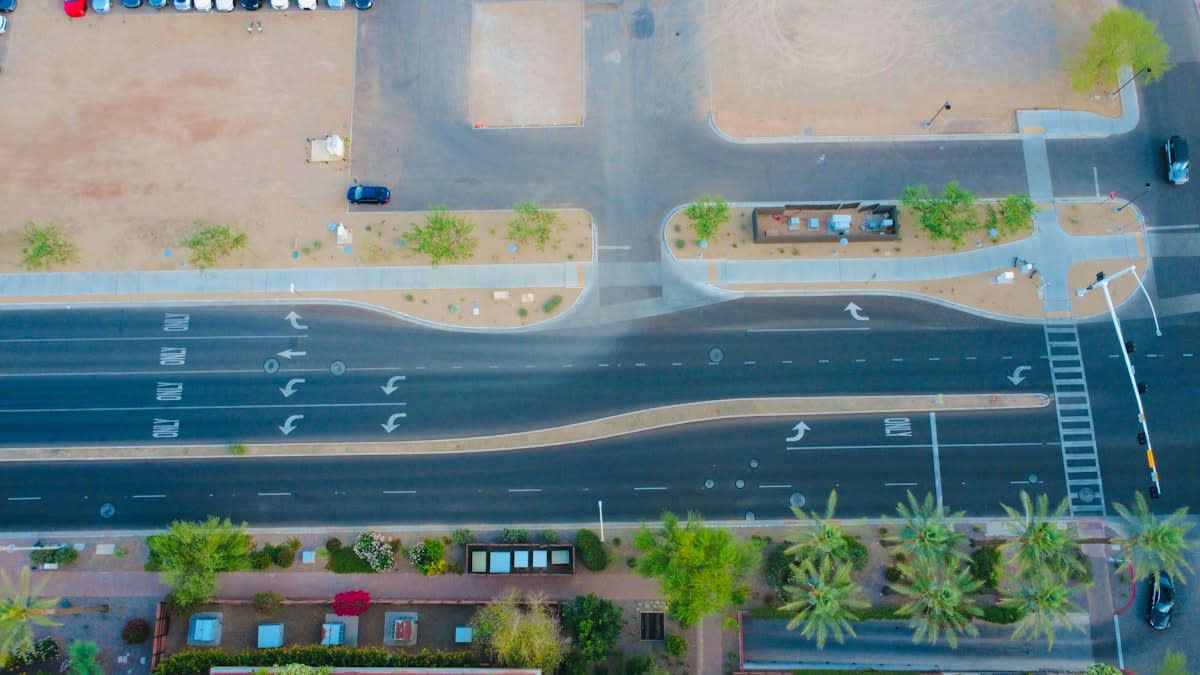
For decades, the gold standard of urban development was the 'Grand Plan.' City officials dreamed in hectares and billions, pouring concrete into massive highways and erecting monolithic civic centers that promised progress but often delivered sterility. These projects operated on a timeline of decades, frequently becoming obsolete before the first ribbon was cut. Today, that paradigm is collapsing. We are witnessing a pivot toward a more agile, biological approach to city building that prioritizes precision over scale. Why are we suddenly obsessed with the small? Because the massive projects of the past failed to account for the organic, unpredictable nature of human movement and social interaction.
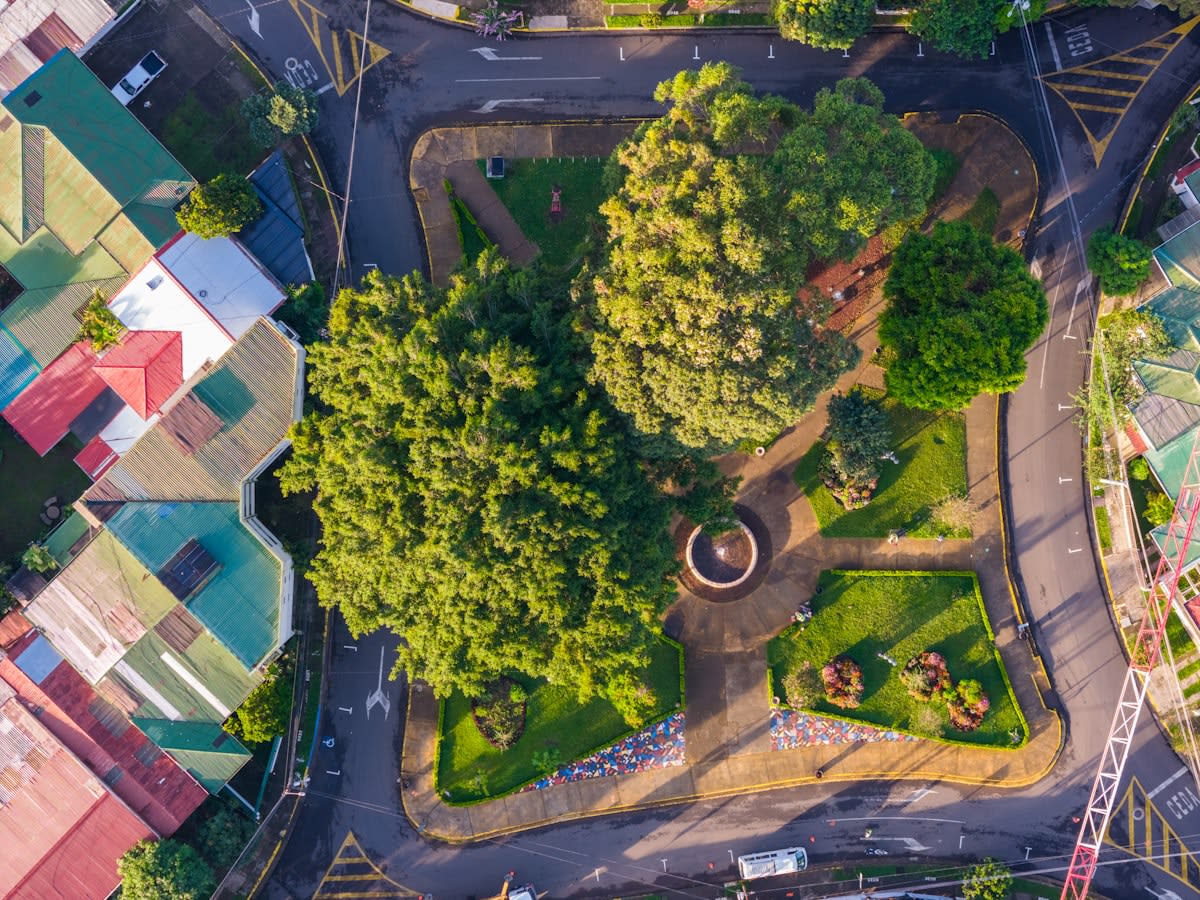
Enter Urban Acupuncture. The term, borrowed from traditional medicine, describes the practice of identifying specific 'pressure points' in a city's fabric—a derelict alley, a vacant lot, an underused plaza—and applying a targeted intervention to trigger a positive ripple effect across the wider neighborhood. Instead of attempting to fix an entire district with a single, crushing blow of capital, planners are now deploying a series of surgical strikes. This isn't just about aesthetics; it is about systemic leverage. By changing one small variable, you change the behavior of the thousands of people who move through that space every day.
The Core Thesis
The fundamental shift here is from 'top-down' imposition to 'bottom-up' emergence. Urban acupuncture assumes that the city is a living organism that knows how to heal itself if given the right catalyst.
The Precision Pivot: Analyzing the Delta
If we compare the urban strategies of 2023 to those emerging in 2024, the delta is stark. Twelve months ago, the conversation still revolved around 'smart city' hubs—centralized, tech-heavy districts designed from a blank slate. Now, the urgency has shifted toward 'tactical urbanism.' We see a surge in temporary-to-permanent conversions: pop-up bike lanes that become permanent arteries and parking spaces converted into 'parklets' within weeks rather than years. The timeline for impact has shrunk from a ten-year development cycle to a ten-week implementation window.
| Metric | Mega-Infrastructure | Urban Acupuncture |
|---|---|---|
| Implementation Time | 5-15 Years | 2-18 Months |
| Capital Intensity | High (Billion+) | Low to Moderate |
| Risk Profile | Systemic Failure | Iterative Failure |
| Community Input | Consultative (Late) | Collaborative (Continuous) |
| Primary Goal | Capacity/Throughput | Livability/Connectivity |
This shift is driven by a newfound realization that rigidity is a liability. When a city spends five billion dollars on a highway expansion, it is locked into that decision for half a century. When it spends fifty thousand dollars on a pedestrian plaza, it can iterate, tweak, and evolve the space based on real-time usage data. This agility allows cities to respond to climate shocks and shifting economic patterns with a speed that was previously impossible. Can a city afford to be wrong about a three-block plaza? Yes. Can it afford to be wrong about a multi-billion dollar bridge? Absolutely not.
"The most successful cities of the next decade will not be those with the biggest budgets, but those with the fastest feedback loops."— Industry Analyst on Urban Resilience
Global Proof Points: From Medellín to Barcelona
Look at Barcelona's 'Superblocks' (Superilles). Instead of rebuilding the city's grid—an impossible task—the city simply restricted through-traffic in specific 3x3 block clusters. By reclaiming the interior streets for pedestrians and greenery, they didn't just reduce NO2 levels by an estimated 25% in those zones; they reignited local commerce. The intervention was small—mostly paint, bollards, and planters—but the effect was a total transformation of the social fabric. It proved that you don't need to demolish a neighborhood to save it.
In Medellín, Colombia, the approach took a social turn. The city invested in 'social urbanism,' placing high-quality library parks and cable car stations in the most marginalized hillside slums. These weren't just transit projects; they were symbols of state presence and dignity. By inserting high-architecture and efficient transit into neglected areas, the city broke the cycle of isolation. The result? A dramatic drop in violence and a surge in local entrepreneurship. These 'acupuncture points' acted as anchors for community pride and safety.
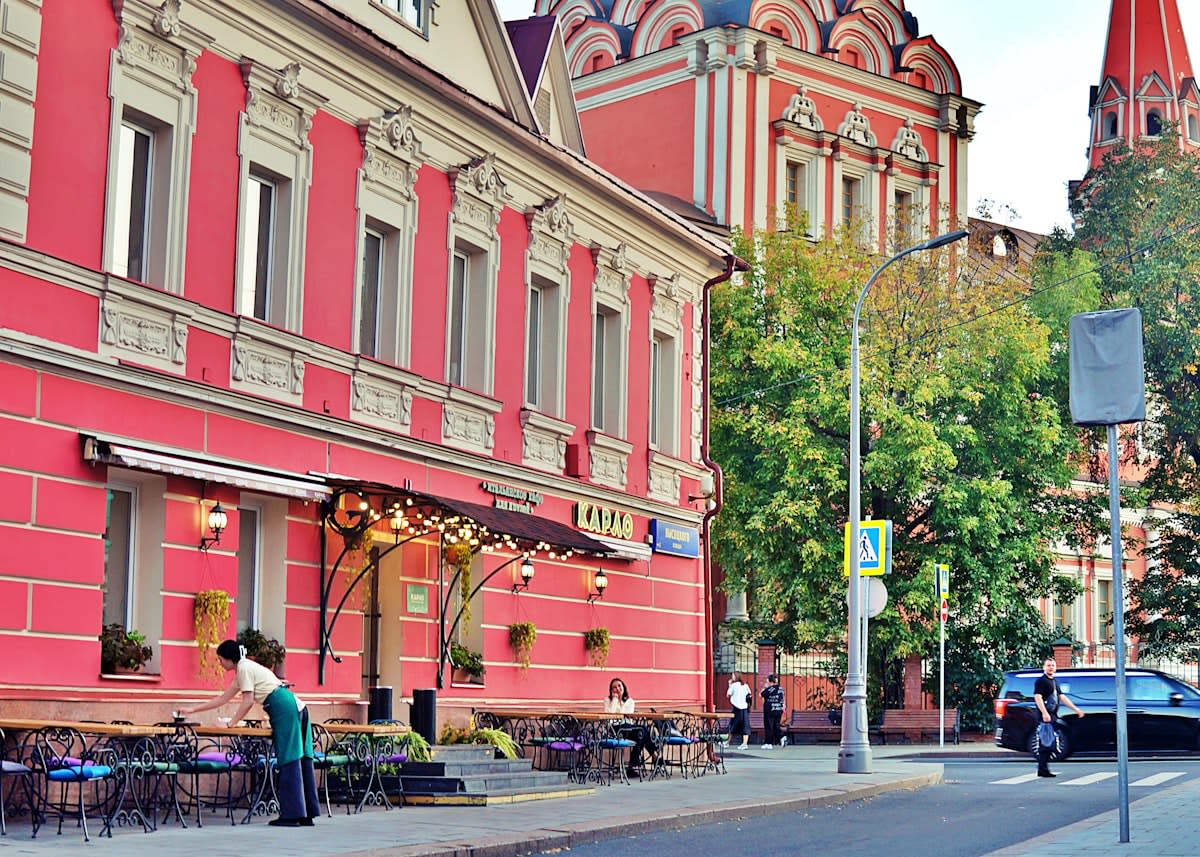
Seoul provides perhaps the most dramatic example of the acupuncture effect through the restoration of the Cheonggyecheon Stream. For years, a concrete highway had smothered a historic waterway. By removing a small section of the elevated road and daylighting the stream, the city created a cooling effect that lowered local temperatures by up to 3.3 degrees Celsius. This single intervention didn't just improve ecology; it sparked a property value surge and turned a polluted transit corridor into the city's most beloved public space.
Global Adoption of Tactical Urbanism Projects (2020-2024)
Executive Insight
+18.4%
YTD Growth
The Economics of Agility
The financial logic underpinning this trend is simple: risk mitigation. Mega-projects are notorious for cost overruns; it is rare for a billion-dollar stadium or bridge to stay on budget. Urban acupuncture, however, operates on a 'fail fast, learn fast' model. By deploying small-scale interventions, cities can test a hypothesis—such as whether a street should be pedestrianized—without committing to a permanent, expensive construction project. If the intervention fails, the cost of removal is negligible. If it succeeds, the city has a proven blueprint for scaling.
Furthermore, these micro-interventions often unlock private investment. When a city cleans up a small plaza or adds a strategic bike lane, the surrounding property values typically rise, and local businesses invest in their own facades. This creates a virtuous cycle where public seed money triggers private growth. We are seeing a transition from the city as a 'provider of infrastructure' to the city as a 'curator of conditions.' The government no longer builds the entire destination; it creates the conditions that allow the destination to emerge organically.
- Reduced capital risk through iterative testing.
- Faster ROI via immediate increases in foot traffic and local commerce.
- Higher community buy-in due to visible, rapid improvements.
- Increased climate resilience through decentralized green infrastructure.
- Ability to pivot strategies in response to real-time usage data.
Does this mean the end of all large-scale infrastructure? Not necessarily. We still need mass transit and sewage systems. However, the 'last mile' of urban experience—the part that actually defines how a human feels in a city—is where acupuncture wins. The future of the resilient city lies in the balance: robust, invisible back-end infrastructure paired with a highly flexible, surgical front-end. By embracing the micro-move, cities are finally learning to breathe again, trading the suffocating weight of the master plan for the lightness of strategic adaptation.