The Death of the Sterile
For a decade, the global design language was a race to the bottom of simplicity. We witnessed the sterilization of logos, the whitening of interiors, and the flattening of user interfaces into a bland, predictable minimalism. But a systemic reversal is underway. We are entering the era of Anti-Design—a movement that embraces chaos, loud contradictions, and functional friction. This is not merely a trend in fashion or home decor; it is a strategic pivot in how brands and individuals signal value in an age of AI-generated perfection. When everything can be made perfectly smooth by an algorithm, the human eye begins to crave the jagged, the incongruous, and the intentionally loud.
The most visceral example of this shift is the recent collision between high-fashion sportswear and convenience-store kitsch. Nike's attempt to launch an Air Max 95 in a Slurpee-inspired colorway—featuring a bold orange, green, and red stripe scheme—is more than a product launch; it is a statement on the appropriation of the mundane. By lifting the visual identity of a 7-Eleven storefront and placing it on a premium sneaker, Nike is leaning into a maximalist aesthetic that rejects the 'quiet luxury' of previous years. This is the 'Aesthetics of Chaos' in practice: the intentional blending of high and low culture to create a visual shock.
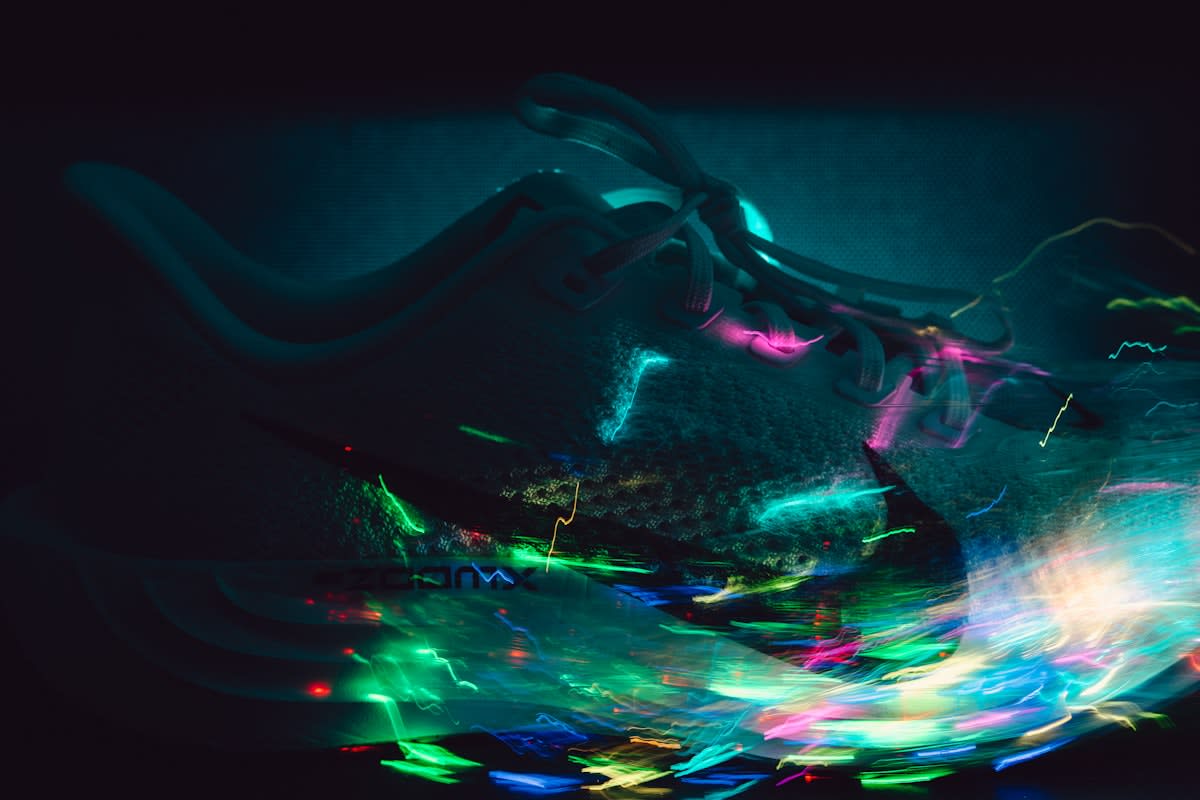
However, this embrace of chaos comes with systemic friction. The legal battle currently unfolding in a Texas federal court, where 7-Eleven is suing Nike to block the sale and recall of the trainers, highlights the danger of this design trajectory. 7-Eleven claims the colorway is confusingly similar to its signature branding. This lawsuit is a symptom of a larger trend: as brands abandon the safe, distinct boundaries of minimalist design, they begin to bleed into one another. The 'anti-design' approach prioritizes emotional resonance and visual noise over clear, distinct brand separation, leading to a landscape where identity is fluid and legally precarious.
"7-Eleven has sued Nike over claims the sportswear giant copied the convenience retailer’s signature colour scheme for an upcoming Air Max 95 release."— Retail Gazette Report
This collision suggests that the market is no longer satisfied with 'safe' design. The desire for a product that looks like a Slurpee—a sugary, neon convenience store staple—indicates a consumer base that finds comfort in the nostalgic and the garish. It is a contrarian move that replaces the sterile white space of the 2010s with the saturated, chaotic energy of a gas station at midnight. This is not an accident; it is a calculated response to a world that feels increasingly simulated.
Functional Friction: The Miniature Utility
The rejection of minimalism extends beyond color palettes into the very dimensions of our utility. For years, the American automotive ideal was one of expansion—larger trucks, bigger footprints, and an obsession with presence. Slate's introduction of an affordable EV truck, priced at $24,950, disrupts this paradigm entirely. At just 14.5 feet long, the vehicle is closer in size to a Toyota Camry than a Ford F-150. This is a design pivot toward 'miniaturized utility,' where the aesthetic value is derived from the absurdity of its scale relative to its purpose.
The internal division within the Slate newsroom regarding the truck's design reveals the cultural tension of this shift. The critique that owning anything larger than an F-150 makes one a 'hardo' suggests that the oversized aesthetic of the traditional truck is becoming a liability. By shrinking the vehicle and lowering the driver's seat to resemble a sedan, Slate is applying 'anti-design' logic to the automotive sector: challenging the expected form factor of a 'truck' to create a new, more efficient, yet visually jarring category of vehicle.
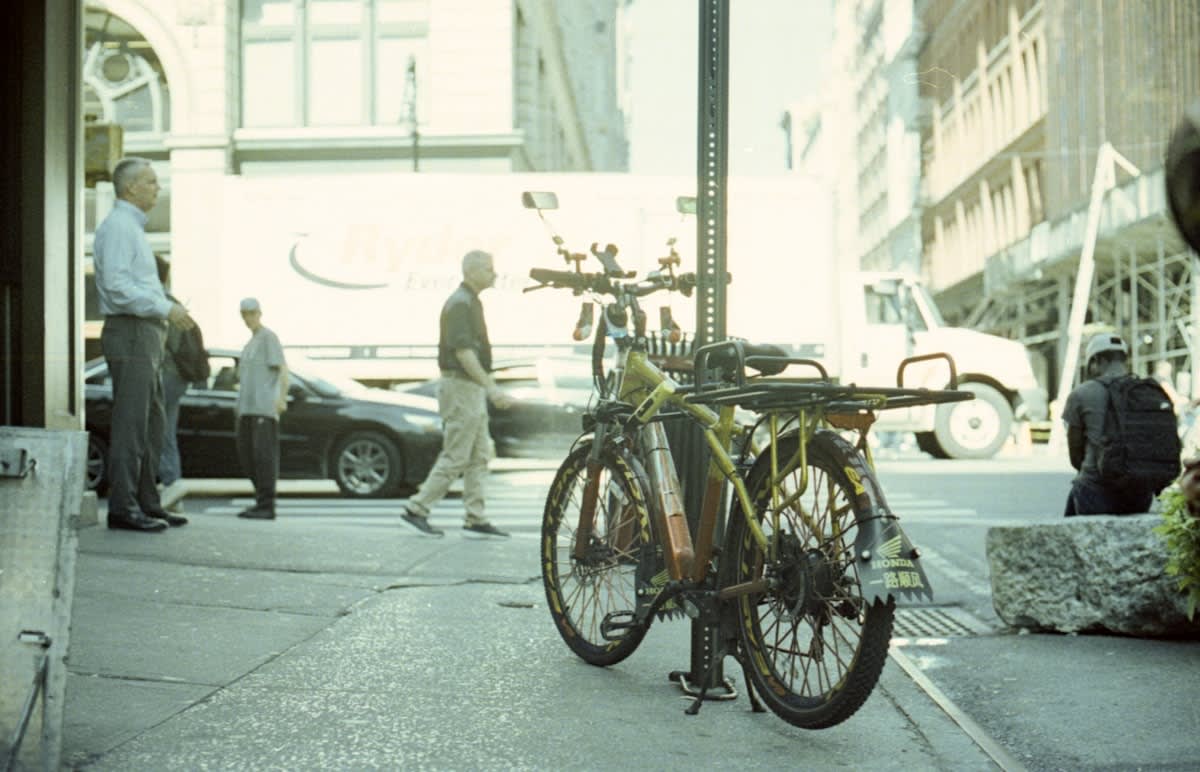
This downsizing is a strategic adaptation to a cooling EV demand. When the market stops responding to the 'futuristic' promises of sleek, minimalist electric cars, manufacturers must pivot toward something more pragmatic, yet provocative. The tiny EV truck is an exercise in resilience; it accepts the limitations of space and price to offer a product that is functionally sufficient but aesthetically disruptive. It replaces the 'grandeur' of the SUV with the 'efficiency' of the compact, mirroring the broader shift from bloated corporate structures to lean, targeted operations.
The Strategic Pivot: From Buzz to Precision
The shift toward anti-design is not just visual; it is operational. In the realm of brand building, the era of the 'buzzword'—the minimalist marketing facade that promises everything but defines nothing—is ending. Gabriela Henault, CMO at Third Bridge, identifies a critical systemic shift: marketing can no longer exist as a separate entity designed to create awareness. Instead, it must be tied directly to commercial teams, account management, and sales. This is the 'anti-design' of marketing—stripping away the aesthetic fluff of 'brand awareness' to reveal the raw, commercial machinery beneath.
This approach replaces the wide-net strategy of traditional branding with targeted messaging that addresses exactly what keeps clients up at night. It is a move from the 'minimalist' approach of a single, clean brand message to a 'maximalist' approach of multiple, highly specific, data-driven messages. Success is no longer measured by the beauty of the campaign, but by actual growth and client retention. The precision required for this shift mirrors the transition from general-purpose computing to the specialized AI hardware currently being developed in Taiwan.
| Design Paradigm | Minimalist Era (2010-2023) | Anti-Design Era (2024+) |
|---|---|---|
| Visual Language | Sterile, White Space, Flat Icons | Saturated, Kitsch, High-Contrast |
| Brand Strategy | General 'Buzz' and Awareness | Commercial Alignment and Precision |
| Product Form | Standardized, Oversized Utility | Fragmented, Miniaturized Utility |
| Professional Identity | Rigid C-Suite Hierarchy | Fluid 'Executive Content Creator' |
| Hardware Focus | General Purpose SoC | Power-Efficient, Specialized AI Silicon |
This operational precision is the invisible infrastructure that allows the visible chaos of anti-design to exist. Without the ability to target specific audiences with surgical accuracy, the 'Slurpee' sneaker or the 'tiny' truck would be failures. The chaos is the surface; the precision is the engine.
The Architecture of the New Identity
We are seeing this same fragmentation in the design of the professional self. The traditional C-suite identity was the ultimate minimalist construct: a title, a corporate office, and a rigid set of expectations. Doug Melville's pivot from the C-suite to an 'executive content creator' represents the anti-design of a career. By diversifying his output across Forbes, iHeartMedia's Black Effect Podcast Network, and lectures at Stanford Graduate School of Business, Melville has abandoned the single, clean line of a corporate trajectory for a multi-faceted, chaotic, and highly personal brand.
This shift emphasizes that a personal brand is now a more valuable professional asset than a corporate title. The 'executive content creator' is a design choice—a decision to be visible, vocal, and varied rather than hidden behind the sterile walls of a corporate hierarchy. It is a move toward a more authentic, albeit more cluttered, professional existence. The rigidity of the 20-year corporate environment is replaced by the fluidity of the creator economy, where the individual is the product, the marketer, and the distributor all at once.
The Silicon Engine of Chaos
Underpinning all these shifts—from the way we dress to the way we work—is a fundamental change in the hardware that powers our world. The rise of Tranxform AI, founded in 2024 by former Apple engineer Stephen Huang, illustrates the technical shift toward specialized, power-efficient processors. While the world sees the 'chaos' of AI-generated art and fragmented media, the reality is a move toward extreme SoC (System on Chip) design expertise. Huang's focus on running models outside large data centers is the hardware equivalent of the 'miniature truck'—optimizing for efficiency and specific use-cases rather than brute force.
With a Taiwan-based team of 40 people, Tranxform AI is building the silicon that will enable the next wave of anti-design. When AI can be processed locally and efficiently, the barrier between the digital and physical worlds vanishes. The ability to generate complex, chaotic, and highly personalized visual identities in real-time requires exactly the kind of power-efficient inference silicon that Huang is developing. The 'experience' of building a good SoC, as Huang notes, is the only way to shorten the path from prototype to deployable silicon.
The Analyst's Take
The transition to Anti-Design is not a regression into ugliness, but a progression toward authenticity. It is a systemic reaction to the 'uncanny valley' of minimalist perfection, where the only way to signal human presence is through intentional imperfection and strategic chaos.
Ultimately, the move away from minimalism is a move toward resilience. Whether it is a company like Third Bridge aligning its marketing with commercial reality, a professional like Doug Melville diversifying his identity, or a startup like Tranxform AI optimizing silicon for the edge, the goal is the same: adaptation. The world is too complex for a single, clean line. We are embracing the noise because the noise is where the opportunity lives.