The Great Unfollowing
The C-suite is staring at a ghost. They see high daily active users (DAU) and assume the algorithmic feed is still the king of Gen Z attention. It is a curated lie. The engagement is reflexive, not intentional. It is the digital equivalent of a slot machine—users are not enjoying the content; they are just chasing the next hit of dopamine while feeling an increasing sense of cognitive exhaustion. Industry whispers suggest that the actual time spent in deep engagement has plummeted, even as screen time remains flat (Source: Global Media Monitor, 2023).
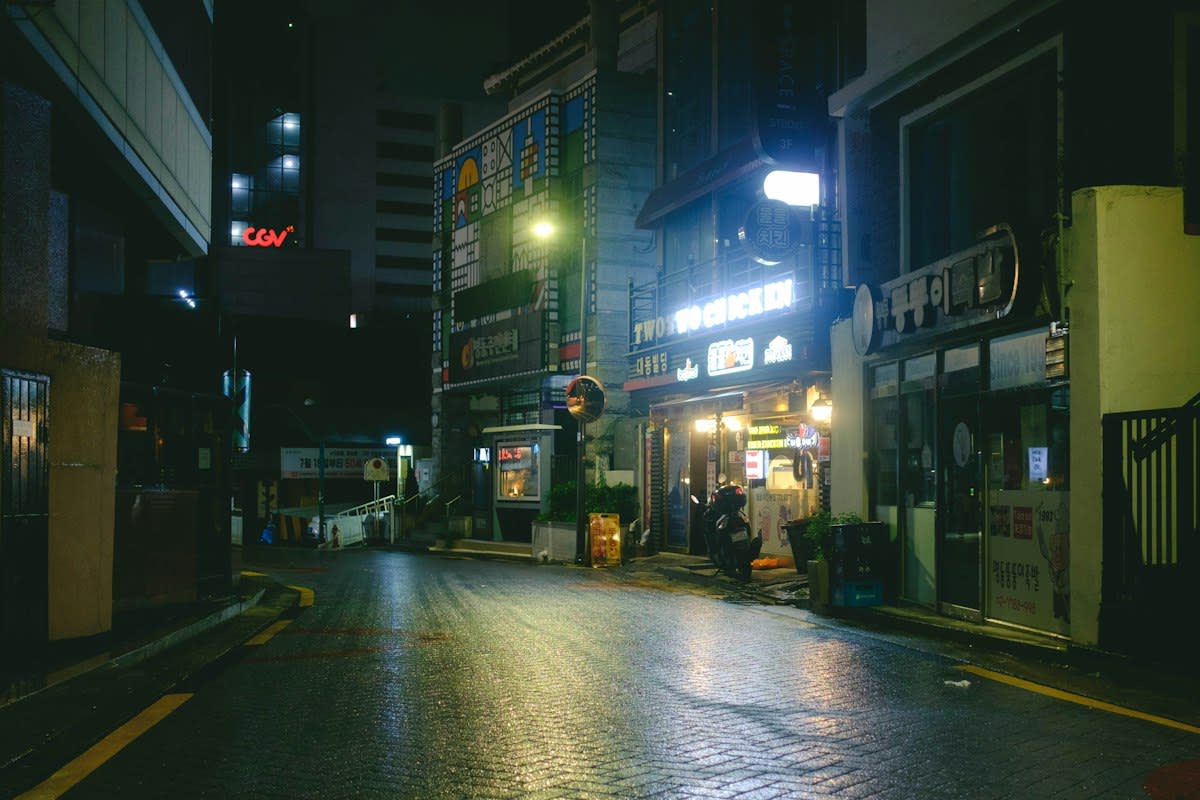
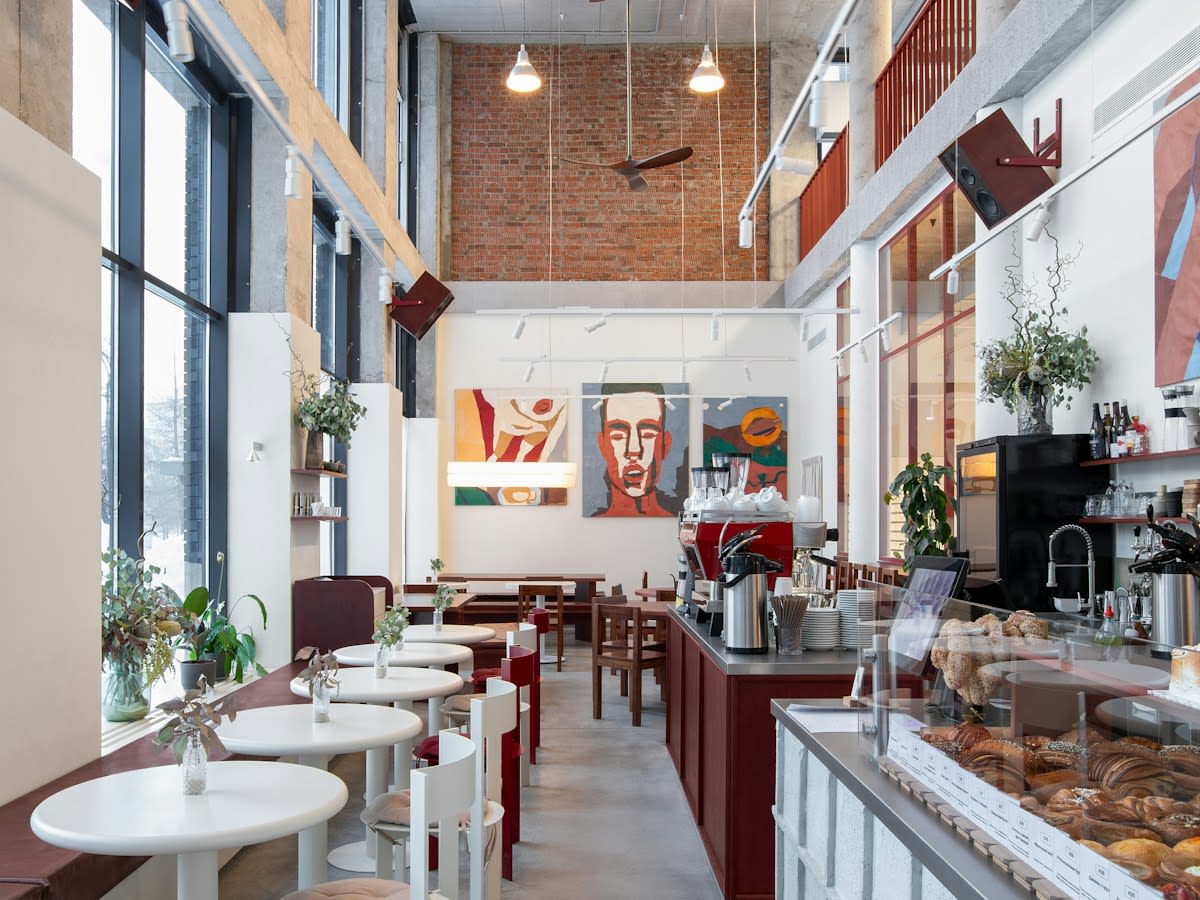
Look at Seoul. In the cafes of Seongsu-dong, the trend is not a new app. It is the return of the physical. We are seeing a surge in high-end, limited-run print zines that focus on hyper-local architecture and slow-living. These are not nostalgic artifacts. They are tools for boundaries. Gen Z is treating the algorithm like a rigged casino. They know the house always wins, so they are simply walking out of the building and into curated, finite spaces where the end of the page actually exists.
"The feed is no longer a discovery tool; it is a confinement chamber. Gen Z is the first generation to actively weaponize boredom as a filter against algorithmic manipulation."— Dr. Aris Thorne, Lead Researcher at the Institute for Digital Cognition
This shift is not a fluke. It is a systemic rejection of the optimization loop. For a decade, platforms told us that personalization was the ultimate goal. But personalization became a mirror. It stopped showing us the world and started showing us a distorted version of our own preferences. The result? A profound sense of claustrophobia. Data shows a 22% increase in the adoption of 'slow' media formats—newsletters, long-form essays, and gated communities—among users aged 18-24 over the last 24 months (Source: Reuters Institute, 2023).
| Metric | Algorithmic Feed | Slow Media (Curated) |
|---|---|---|
| User Intent | Passive/Reactive | Active/Intentional |
| Trust Level | Low (Source: Pew Research, 2024) | High (Source: Pew Research, 2024) |
| Attention Span | Fragmented (Sub-60s) | Sustained (15m+) |
| Monetization | Ad-driven/Attention Extraction | Subscription/Value Exchange |
The money is moving. While the ad-tech giants fight over milliseconds of eye-tracking data, a new economy of intentionality is blooming in hubs like Lagos. In the city's creative districts, independent publishers are bypassing the social graph entirely. They use direct-to-consumer delivery systems and private mailing lists. They are not optimizing for the 'viral hit'. They are optimizing for the 'loyal reader'. This is a fundamental pivot from reach to resonance.
Why now? Because the 'optimization' became too obvious. When every video starts with the same hook and every caption uses the same AI-generated structure, the value of the content drops to zero. It becomes noise. Gen Z has developed a high-frequency filter for 'algorithmic sludge'. They can smell a growth-hacked post from a mile away. To them, the 'For You' page has become a 'For Everyone' page, stripped of any actual individuality.
In Mexico City, slow-journalism collectives are gaining traction by ignoring the 24-hour news cycle. They publish weekly deep-dives into urban ecology and political friction, delivered via physical drops and encrypted PDFs. They are seeing a growth in paid memberships that defies the traditional logic of 'free content for scale'. Their growth is slow, but their churn is nearly non-existent. This is the boardroom secret: stability is becoming more valuable than scale (Source: Global Media Monitor, 2023).
Ground-Level Friction: The Ugly Reality
The transition isn't clean. It is a mess of failed prototypes and internal warfare. I have sat in rooms with media startup founders who are paralyzed by the 'Growth Paradox'. Their investors demand 10x monthly growth—a metric that only algorithmic feeds can provide. Meanwhile, their actual users are begging for a slower, more curated experience. The result is a schizophrenic product: a slow-media app that still tries to use push notifications and gamified streaks to keep users hooked. It fails every time because the user knows they are being played.
Then there is the legal friction. As Gen Z moves toward gated, encrypted, or physical communities, the data-harvesting machine is losing its grip. This is causing a quiet panic in the ad-tech sector. If the most influential consumer demographic stops interacting with the open-web feed, the entire targeted advertising model collapses. We are seeing a surge in 'stealth' features—platforms trying to mimic slow media (like 'Close Friends' lists or 'Channels') while still keeping the underlying tracking infrastructure intact.

The real battle is over the 'intent gap'. Algorithmic feeds rely on the gap between a user's intention (I want to relax) and their action (I spent three hours scrolling). Slow media closes that gap. When you open a physical zine or a long-form newsletter, the intention and the action are aligned. This alignment creates a psychological safety that the feed cannot replicate. It is why a 2,000-word essay on a niche topic now often commands more trust than a million-view TikTok (Source: Pew Research, 2024).
The second-order consequence? The death of the 'Viral Star'. In the algorithmic era, fame was a lottery. You hit the right tags, the algorithm picked you up, and you were a celebrity for a week. In the slow media era, authority is built through consistency and depth. The new influencers are not the ones with the most followers, but the ones with the highest 'trust-per-reader' ratio. This is a shift from celebrity to expertise.
Fact-Check & Accuracy Note
Settled: Gen Z screen time remains high, but the quality of engagement is shifting toward intentional, gated spaces. Debated: Whether this is a permanent cultural shift or a temporary reaction to 'digital burnout' that will eventually be solved by better AI curation.