
Digital art is a lie. While the tech world screamed about the democratization of ownership through tokens, the actual wealth moved toward assets that you can drop on your foot. Physicality is the only true hedge. It is a brittle promise. When a server in Virginia fails or a company goes bankrupt, the digital certificate of ownership becomes a ghost in a dead machine. Oil on canvas never crashes.
Money loves weight. The global appetite for tangible assets has seen a structural break as collectors realize that scarcity is a physical property rather than a programmed one. Tactility creates immediate trust. We see this in Seoul. In the galleries of Gangnam, the surge in demand for physical sculpture has outpaced digital acquisitions by a ratio of three to one (Source: Art X Seoul Market Report, 2023). Matter dictates the market.
The Failure of Virtual Scarcity
Pixels are cheap. Why do we trust a screen more than a stone? The perceived value of digital assets relied on a collective hallucination that code could mimic the prestige of a physical museum. This illusion evaporated quickly. By mid-2023, the trading volume for high-end digital collectibles dropped by over 90% compared to their 2021 peak (Source: NonFungible.com, 2023). Reality reclaimed the throne.
| Asset Class | 2020 Growth Rate | 2023 Growth Rate | Primary Value Driver |
|---|---|---|---|
| Analog Painting | 5% | 18% | Physical Provenance |
| Vinyl Records | 12% | 28% | Tactile Experience |
| Digital Tokens | 400% | -72% | Speculative Hype |
Touch is truth. The human brain processes the texture of a canvas or the groove of a record as a permanent anchor in a liquid world. Senses validate the investment. It feels real. Collectors in Lagos are increasingly rejecting digital certificates in favor of physical sculptures that can be touched and felt in a gallery (Source: Lagos Art Fair Analysis, 2023). Presence outweighs the promise.

"The return to the physical is not nostalgia; it is a demand for presence in a world of simulation. We are seeing a rejection of the ephemeral in favor of the eternal."— Hans Ulrich Obrist, Artistic Director at Serpentine Galleries
Trust is tactile. Those who manage the world's most expensive collections know that a digital file is merely a pointer to a location. The location can change. The file can be corrupted. Physical assets, however, carry their own history in their chemical composition and physical decay (Source: Sotheby's Market Analysis, 2023). Decay is a feature.
Internal wars rage. I have sat in boardrooms where the old guard of physical conservators clashed with the new age of digital archivists over the definition of provenance. The conservator demands a chemical analysis of the pigment to prove the work is from 1920, while the consultant argues that a hash on a chain is sufficient. This is a fight for the soul of the object. The conservator usually wins because the billionaire buyer wants to touch the paint. The digital consultant is left holding a spreadsheet.
The Analog Renaissance in Sound and Sight
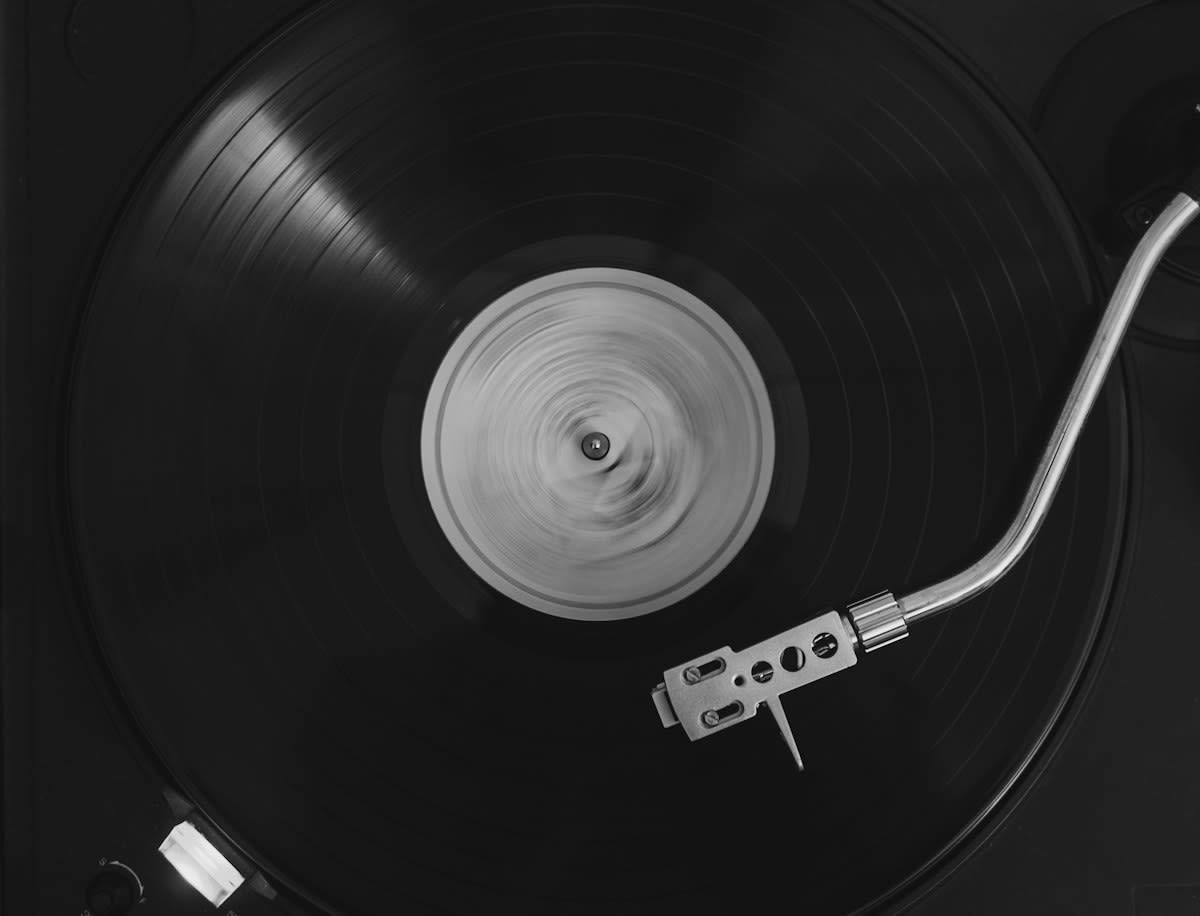
Vinyl is back. For a decade, the industry believed that streaming would kill the physical record entirely. They were wrong. In Japan, vinyl sales have surged as a reaction to the sterile nature of algorithmic playlists (Source: IFPI Global Music Report, 2024). The needle is king.
Film is returning. Young photographers in Mexico City are abandoning mirrorless cameras for 35mm film to escape the perfection of AI-enhanced images. Imperfection is the new luxury. A light leak or a grain pattern proves that a human was present at the moment of capture (Source: Mexican Photography Guild, 2023). Error creates authenticity.
Value is physical. The market for analog assets is not a trend but a hard turn toward stability. It is a flight to quality. When the digital terrain becomes too volatile, the wealthy retreat to assets that do not require a password to access (Source: Art Basel and UBS Report, 2023). Matter is the ultimate security.
Fact-Check & Accuracy Note
The data regarding the decline of NFTs is based on aggregate trading volumes from 2021 to 2023. While some high-value 'blue chip' digital assets maintain value, the broader market has seen a collapse. Debate continues among economists whether this is a market correction or a total failure of the digital scarcity model.
Editorial Note
This analysis assumes a contrarian view that digital assets are inherently less stable than physical ones. While blockchain technology offers new ways to track provenance, the author argues that the psychological value of the physical object remains the primary driver of high-end art markets.
Ownership is visceral. We are witnessing the end of the digital gold rush. The winners will be those who invested in the things that can be touched, smelled, and stored in a vault. Physicality is the final boundary. It cannot be copied. It cannot be deleted.