Berlin Conference 1884-85: How Europe’s colonial ambitions shaped the partition of Africa
Source Entity
Nikita Mohta
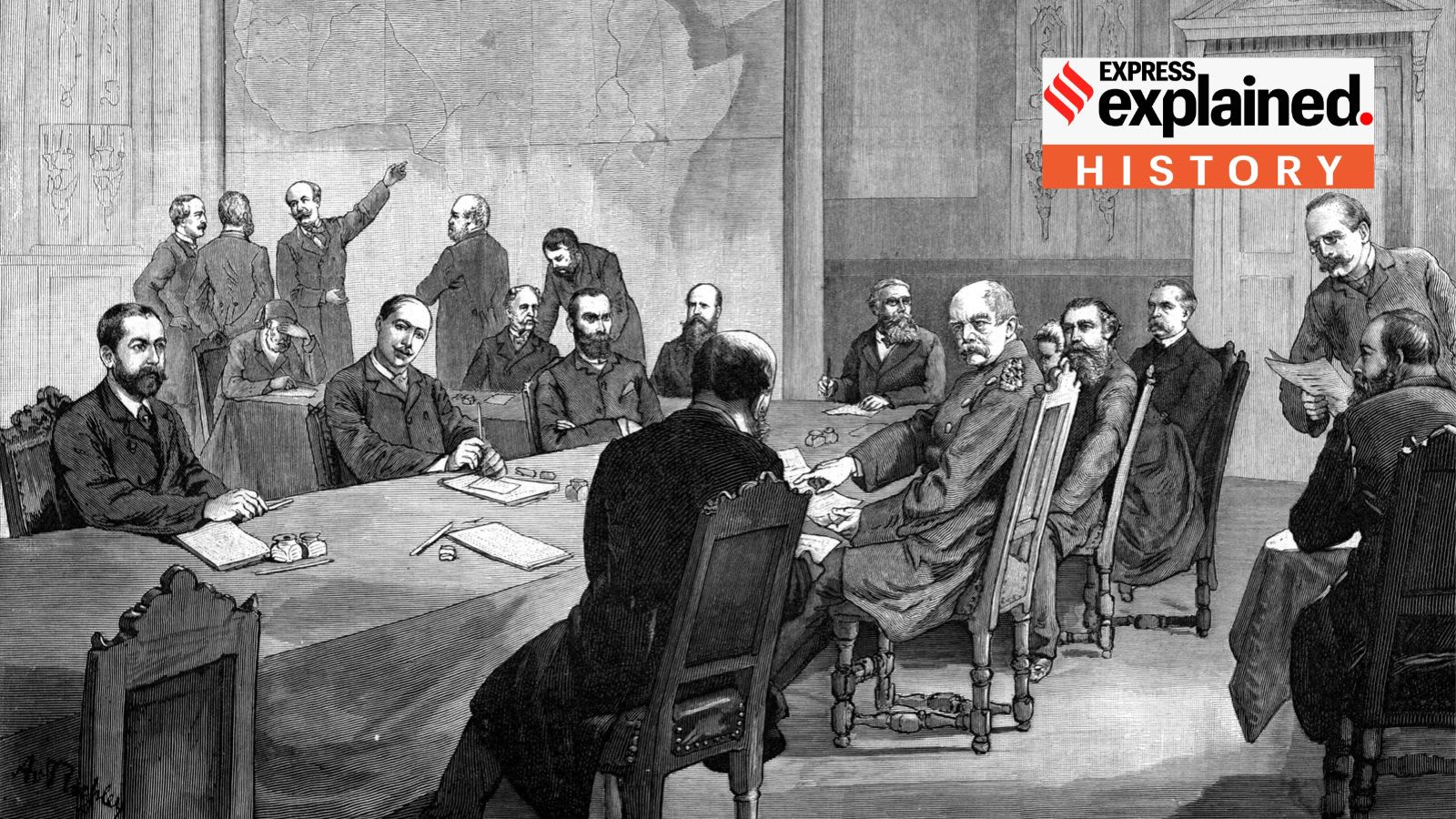
The 1884-85 Berlin Conference established the 'General Act' to regulate European colonial expansion in Africa. This historic event aimed to prevent inter-European conflict while formalizing the partition of the continent.
The Berlin Conference: Architecting the Partition of Africa
On this day 142 years ago, the Berlin West Africa Conference commenced, marking a pivotal moment in global history where European powers sought to institutionalize the colonization of the African continent. Convened between November 15, 1884, and February 26, 1885, the gathering was orchestrated not out of concern for African sovereignty, but to manage the competitive colonial ambitions of European nations. By establishing a formal framework for expansion, the conference aimed to mitigate the risk of armed conflict between rival powers as they vied for control over African territories.
The General Act: Codifying Colonial Rule
The most significant outcome of the conference was the adoption of the General Act. This document served as a regulatory mechanism for imperial encroachment, specifically outlining the conditions under which European powers could legally claim territory along the African coast. The Act effectively replaced sporadic, informal colonial activities with a structured, bureaucratic process, forcing powers to justify their presence through 'effective occupation.' This shift fundamentally altered the power dynamics on the continent, prioritizing European diplomatic consensus over the rights and autonomy of indigenous populations.
Geopolitical Strategies and Resource Control
Beyond territorial acquisition, the conference focused heavily on the economic and logistical control of the continent’s major arteries. By internationalizing navigation on the Congo and Niger rivers, European powers secured free trade corridors, ensuring that no single nation could monopolize these vital trade routes. Furthermore, the declaration of the 'conventional basin of the Congo' as a neutral zone was a strategic maneuver intended to prevent territorial disputes in Central Africa. These measures were designed to maximize resource extraction while maintaining a delicate balance of power among the European participants.
Humanitarian Rhetoric vs. Colonial Reality
One of the more complex aspects of the Berlin Conference was its stated commitment to humanitarian goals, most notably a call for a renewed campaign against the overland slave trade. While this rhetoric provided a moral veneer for the proceedings, history has shown that the primary driver remained the systematic partition of Africa. The discrepancy between the humanitarian mandates found in the General Act and the harsh realities of colonial rule underscores how imperial powers often utilized moral discourse to justify the geopolitical restructuring of foreign lands.
Historical Legacy and Long-term Implications
The decisions made in Berlin 142 years ago continue to cast a long shadow over modern geopolitics. By arbitrarily drawing borders and establishing spheres of influence without regard for existing ethnic, linguistic, or political realities, the conference set the stage for decades of systemic instability. The legacy of the 'General Act' is still reflected in the contemporary political challenges faced by many African nations, as the structural impacts of this colonial partitioning remain deeply embedded in the continent's socio-political framework. Understanding this conference is essential to grasping the origins of modern international relations regarding Africa.