IPL founder Lalit Modi announces British citizenship over a decade after leaving India: ‘A new chapter’
Source Entity
Latest News: Todays Latest News Headlines from India & World | Hindustan Times
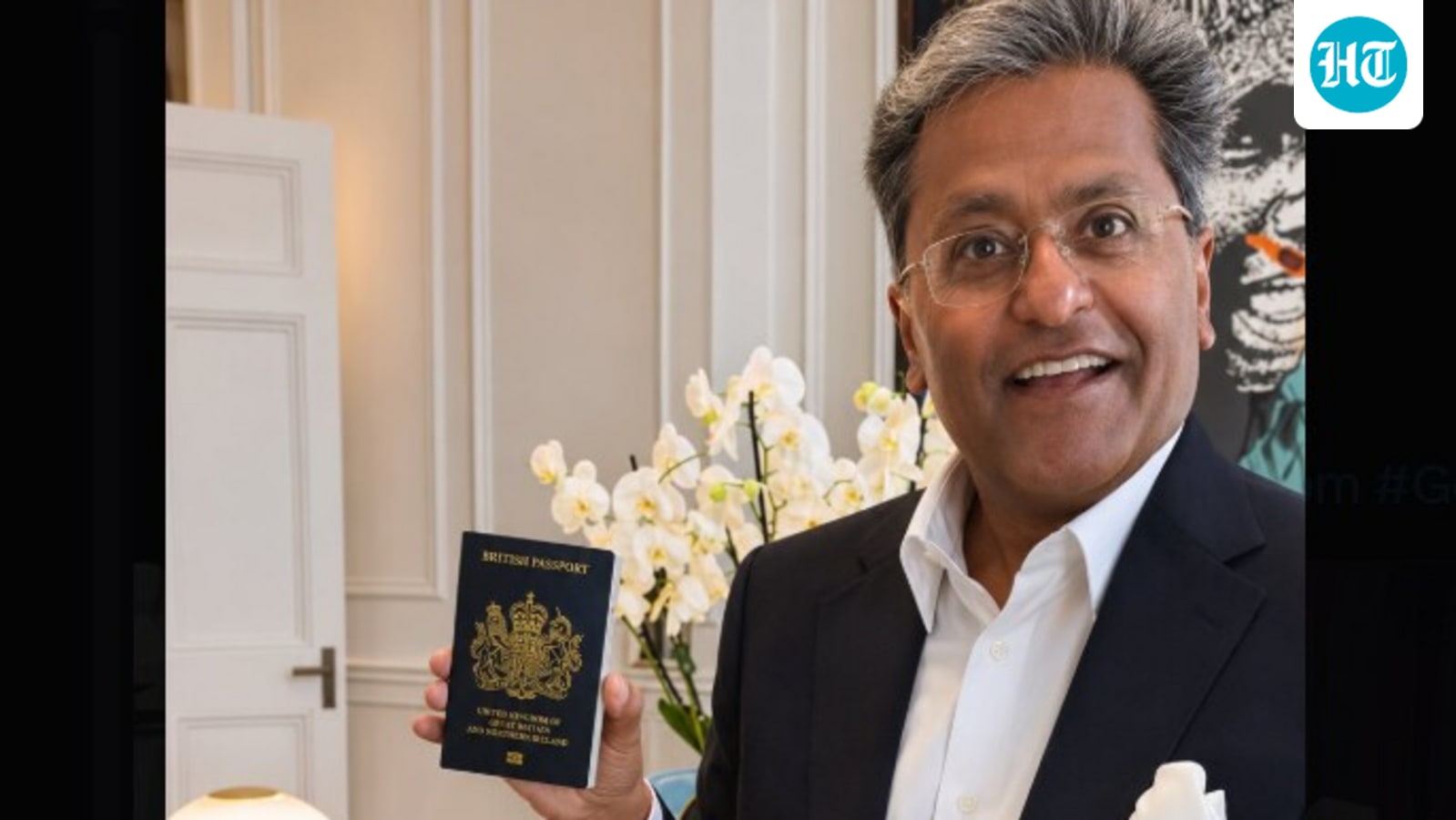
IPL founder Lalit Modi has officially acquired British citizenship after residing in the UK since 2010. He announced the milestone at the Oxford Union, marking a new chapter while maintaining his stance against ongoing Indian investigations.
The New Chapter: Lalit Modi’s British Citizenship
Lalit Modi, the visionary founder of the Indian Premier League (IPL), has officially announced his acquisition of British citizenship, a milestone he formalised on September 15, 2026. This transition marks a definitive shift in the life of one of the most polarizing figures in modern Indian sports administration. Having resided in the United Kingdom since leaving India in 2010, the formalization of his status represents a culmination of a long-term residency that has been defined by both personal evolution and persistent legal scrutiny.
A Milestone at the Oxford Union
Modi chose the prestigious platform of the Oxford Union on November 14 to share this news with the public. By framing his citizenship as a 'new chapter,' he emphasized a sense of belonging to the United Kingdom, citing a deep-seated admiration for the country's traditions, institutions, and values. The ceremony, attended by his close family and friends, served as a symbolic public declaration of his intent to integrate further into British society, moving away from his previous status as a long-term expatriate.
Context of the Departure
To understand the gravity of this announcement, one must revisit the circumstances of his 2010 departure from India. For over 16 years, Modi has been the subject of various investigations concerning alleged financial irregularities and money laundering linked to his tenure as the head of the IPL. While Indian authorities have sought his presence for questioning throughout this period, Modi has consistently maintained his innocence, denying the label of a 'fugitive' and asserting his availability for legal processes while abroad.
Legal and Diplomatic Implications
The acquisition of British citizenship adds a layer of complexity to his ongoing legal standing. While citizenship provides new protections and rights within the UK, it does not necessarily insulate an individual from international legal cooperation or extradition treaties. However, by embracing this new identity, Modi has signaled a desire to pivot his focus toward contributing to the country he now calls home, potentially signaling a move to transition his public profile from a figure embroiled in controversy to a settled, contributing member of the British establishment.
Future Trends and Outlook
Looking ahead, it is likely that this development will reignite debates regarding the intersection of high-profile financial investigations and international migration. As Modi navigates this 'new chapter,' the global community will be watching to see how he balances his new responsibilities as a British citizen with the persistent, unresolved allegations from his past in India. The move suggests a long-term commitment to his current base, indicating that he does not anticipate a return to the Indian jurisdiction in the immediate future, but rather intends to solidify his position within the United Kingdom.
Multiple Citing Sources
Verification Required?