Air quality remains ‘very poor’ in Delhi, light rain unlikely to help
Source Entity
PRIYANGI AGARWAL
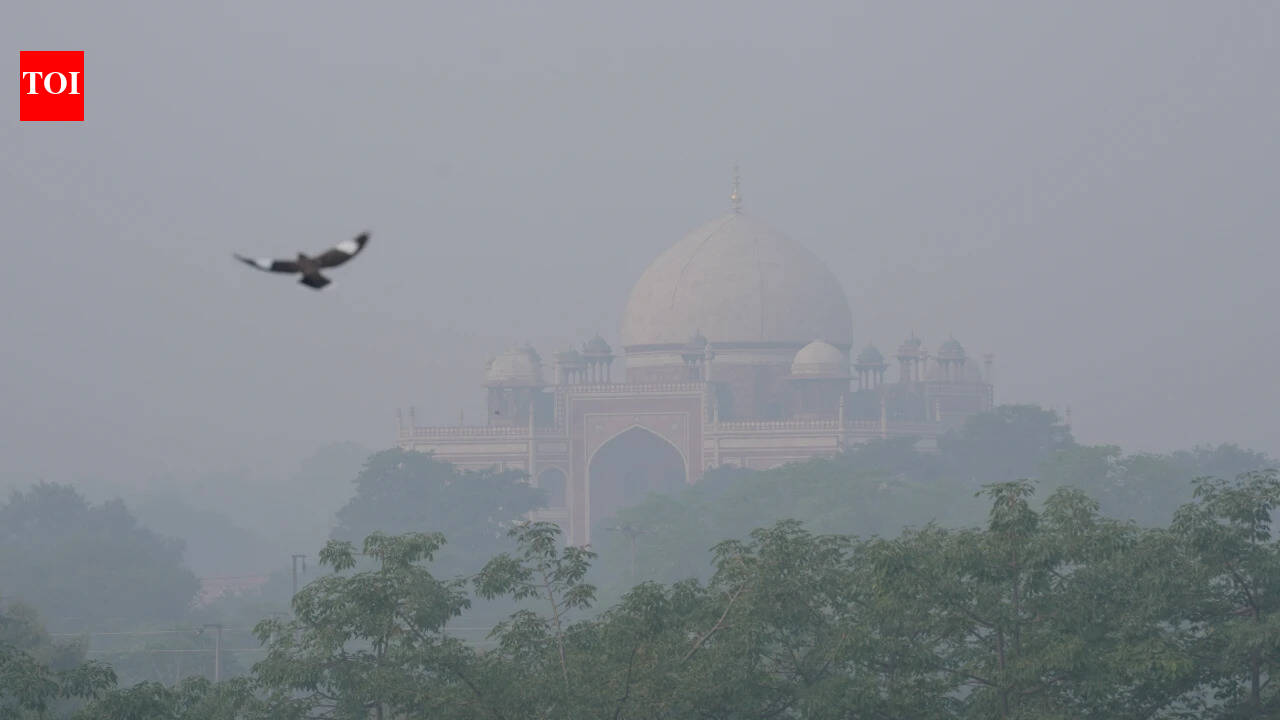
Delhi's air quality remains in the 'very poor' category with an AQI of 367, driven by vehicle emissions and stubble burning. While the IMD forecasts light rain, experts remain skeptical about its effectiveness in providing significant relief to the city's persistent pollution crisis.
Delhi's Persistent Air Quality Crisis: A Deep Dive
Delhi continues to grapple with a severe air quality crisis, as the 24-hour average Air Quality Index (AQI) settled at 367 on Saturday. This classification, categorized as 'very poor,' underscores the systemic challenges the capital faces in maintaining breathable air. While there was a marginal improvement from the previous day's reading of 373, the atmospheric conditions remain hazardous for public health, particularly for vulnerable populations.
The Anatomy of Pollution
Data reveals a complex interplay of pollution sources contributing to this toxic environment. Transport emissions remain a primary culprit, accounting for 20.5% of the city's pollution load, while stubble burning continues to exert significant pressure, contributing 13.3%. The concentration of particulate matter, specifically PM2.5 and PM10, continues to exceed safety standards, leading to localized 'severe' readings at various monitoring stations across the city.
Localized Extremes and Monitoring
The spatial distribution of pollution is stark, with specific areas like IIT Delhi and Delhi University recording alarmingly high AQI levels, sometimes exceeding 428. Out of the active monitoring network, a significant portion of stations consistently report 'very poor' air, with several slipping into the 'severe' category. This indicates that the pollution is not uniform, but rather concentrated in dense urban pockets where traffic and biomass burning intersect.
The Role of Meteorological Factors
The India Meteorological Department (IMD) has noted a minimum temperature of 18.6 degrees Celsius, which is notably lower than seasonal averages. Coupled with a high relative humidity of 91%, these weather conditions often trap pollutants near the surface, preventing effective dispersion. While there is a forecast for light rain or drizzle, experts are divided on whether this will be sufficient to wash away the pollutants or if it might exacerbate the situation by increasing humidity levels.
Future Outlook and Policy Implications
The Air Quality Early Warning System (AQEWS) has suggested the possibility of a slight improvement, yet the reliance on weather-driven relief highlights a lack of long-term sustainable solutions. As temperatures drop and winter sets in, the lack of wind circulation and the potential for increased biomass burning pose a recurring threat to the city. Without addressing the root causes of vehicular emissions and agricultural waste management, the capital remains trapped in a cycle of seasonal air quality degradation.
Conclusion
In summary, Delhi's air quality remains a critical public health concern. While meteorological interventions like rain offer a temporary glimmer of hope, the underlying structural issues—transportation and biomass burning—continue to drive the 'very poor' AQI levels. Policymakers face the ongoing challenge of balancing urban development with the urgent necessity of clean air mandates.