US diesel below $6 a gallon at 2-month low on easing tensions, weaker demand
Source Entity
Latest News: Todays Latest News Headlines from India & World | Hindustan Times
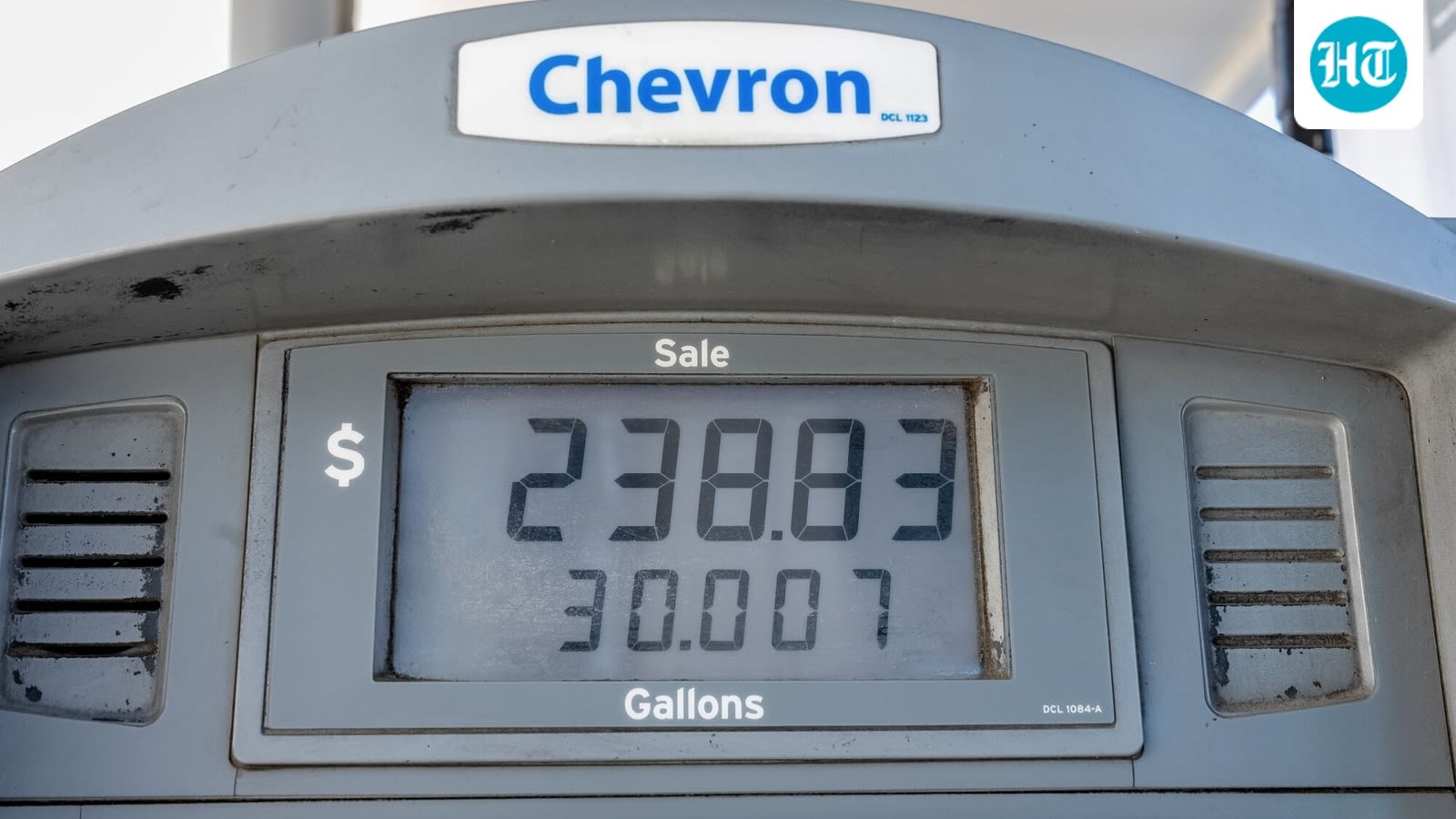
US diesel prices have fallen below $6 per gallon for the first time in two months, retreating from record highs. This decline follows reduced geopolitical tensions and seasonal demand shifts, offering potential relief for transportation and inflation costs.
The Cooling of US Diesel Prices: A Market Analysis
For the first time in two months, the average price of diesel in the United States has dipped below the $6 per gallon threshold. This retreat comes as a welcome development following a period of extreme volatility that saw prices peak at a record $6.519 in September. The decline signifies a potential inflection point for the energy sector, as market pressures that previously drove costs to historic highs begin to dissipate.
The Impact of Geopolitical Realignment
The recent surge in diesel prices was largely precipitated by significant geopolitical instability. The conflict involving the US, Israel, and Iran created substantial uncertainty regarding global oil supply chains, while Ukraine’s targeted strikes on Russian refineries further constrained global production capacity. As these tensions show signs of easing, the fear premium embedded in fuel prices has begun to contract, allowing for a more stable pricing environment at the pump.
Seasonal Demand and Economic Relief
Beyond geopolitical factors, the downward trend is also influenced by seasonal fluctuations in demand. Historically, diesel consumption patterns shift during this time of year, and the current softening of market demand has provided the necessary breathing room for prices to fall. This reduction is critical because diesel serves as the lifeblood of the American supply chain, powering the vast majority of heavy-duty freight, agricultural machinery, and long-haul transportation.
The Inflationary Connection
High diesel costs have acted as a persistent multiplier for inflation across the broader economy. Because transportation and logistics costs are inextricably linked to fuel prices, the sustained highs experienced over the last two months have placed significant strain on businesses, farmers, and consumers alike. The recent dip suggests that one of the most aggressive drivers of input costs for goods and services may be stabilizing, which could eventually filter down to help moderate the overall cost of living.
Political and Economic Implications
Energy policy and fuel costs have occupied a central role in the national discourse, with high fuel prices serving as a major factor in recent political developments. As the economy navigates the impact of these energy shifts, the stabilization of diesel prices provides a tangible metric of relief. Whether this trend continues will depend on the sustained de-escalation of regional conflicts and the maintenance of a balance between global supply capacity and domestic demand.
Future Outlook
While the drop below $6 is a positive indicator, the market remains sensitive to external shocks. Future trends will likely be defined by the stability of international trade routes and the ongoing capacity of global refineries to meet industrial needs. For now, the easing of these record-high prices offers a necessary reprieve to the sectors most vulnerable to energy volatility, potentially signaling a more stable period for the domestic economy as it moves toward the end of the year.
Verification Required?