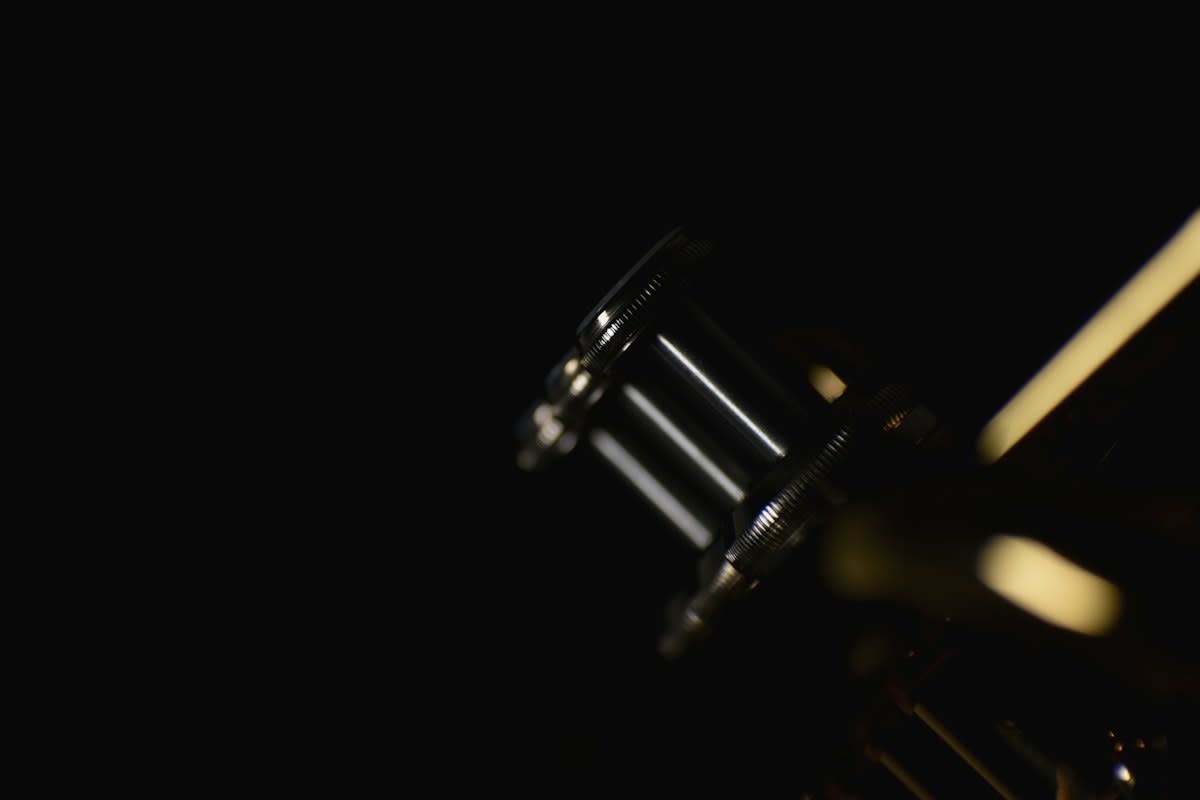
The Gear You Actually Need
Most beginners walk into a shop in Shimokitazawa or Kreuzberg and ask for the cleanest sound possible. They are asking for the wrong thing. Clean is sterile. Clean is a hospital ward. If you want the analog experience, you are looking for the ghost in the machine. You need hardware that breathes, leaks, and occasionally fails. I have spent two decades watching engineers try to optimize the soul out of recordings using plugins that simulate 'warmth'—a curated lie sold by software companies. Real warmth is just a polite word for harmonic distortion.
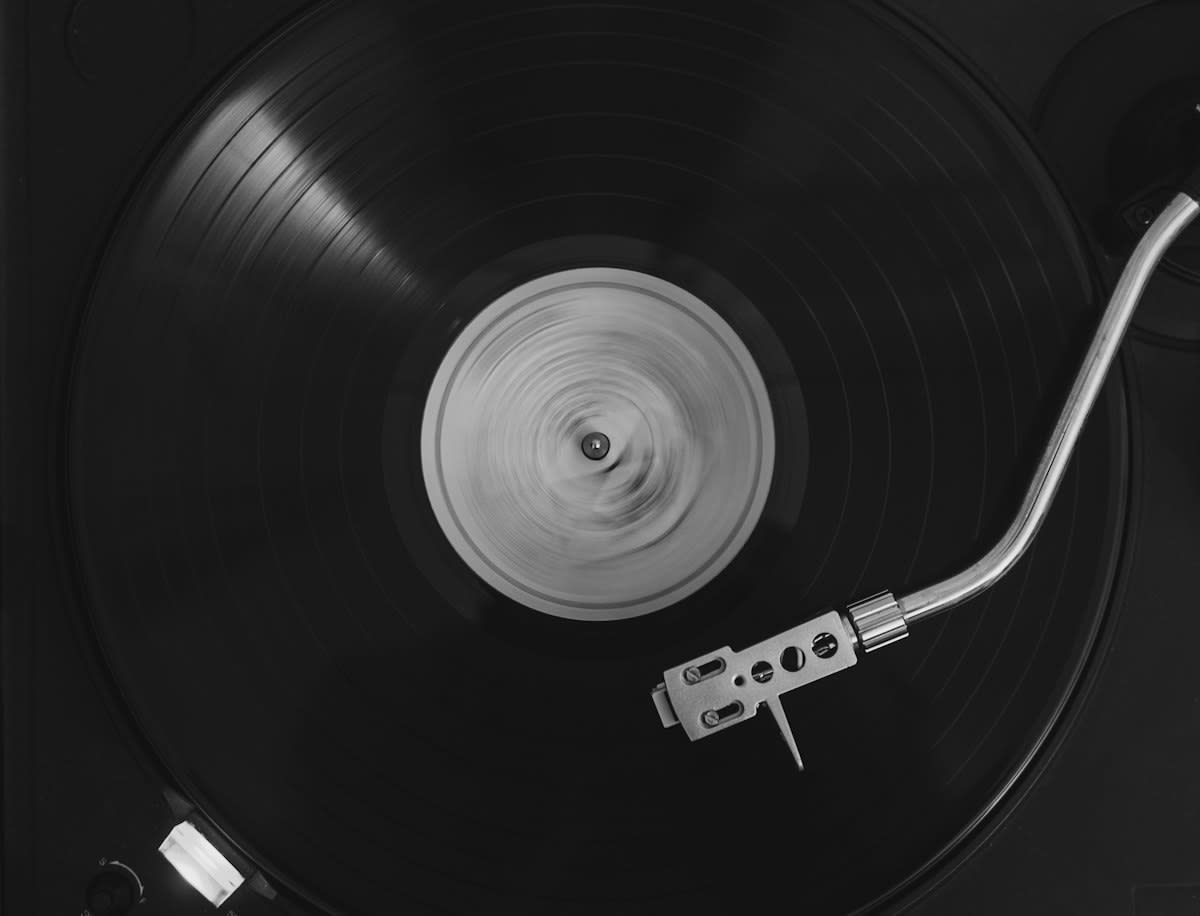
- A direct-drive or belt-drive turntable with an adjustable counterweight. Do not buy the plastic suitcase players; they destroy your records and sound like a tin can.
- A phono preamp with a gain stage you can actually feel. This is where the signal is boosted from millivolts to something your amp can handle.
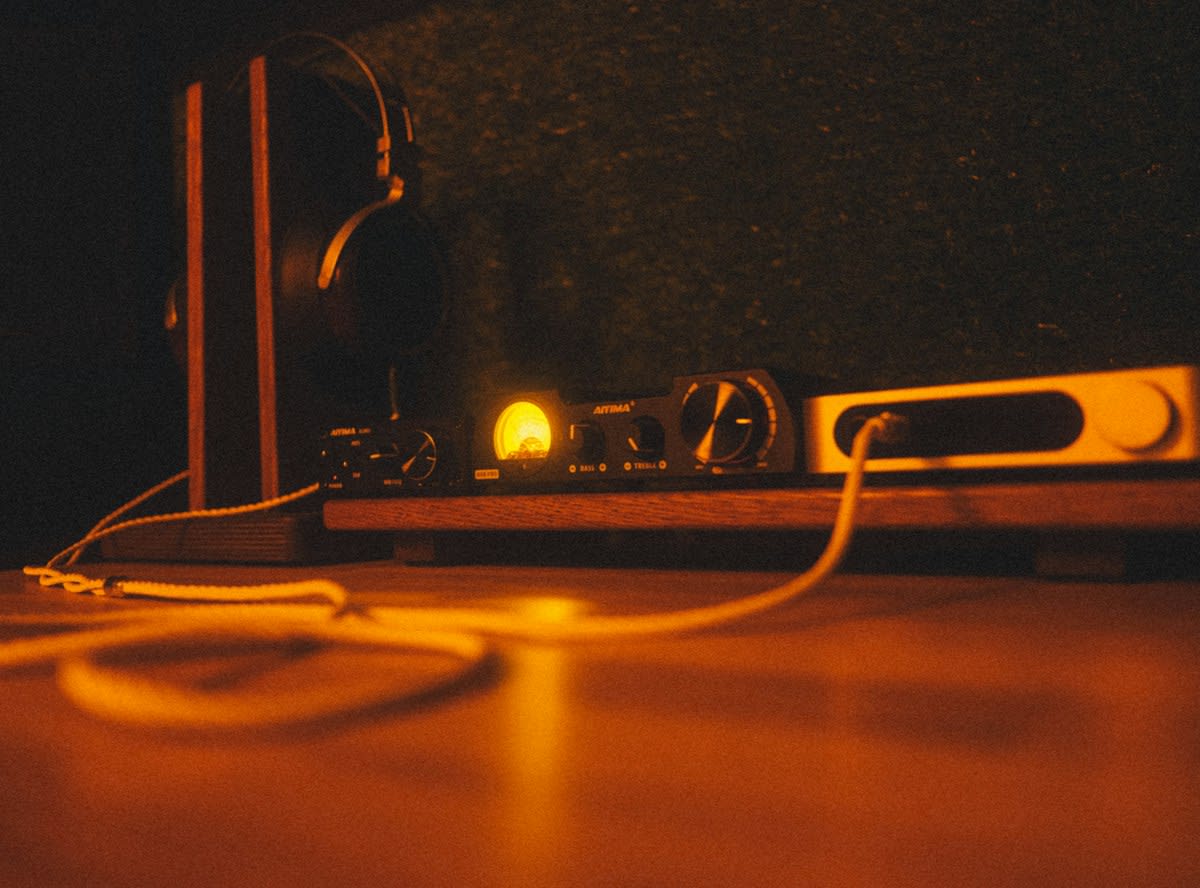
- A vacuum tube amplifier. Tubes introduce even-order harmonics that the human ear perceives as 'musical' rather than 'noisy'.
- Passive speakers. No built-in DSP. Let the amplifier do the heavy lifting.
- A dedicated grounding wire. If you don't ground your gear, the 60Hz hum will eat your sanity.
The industry tells you that a higher sample rate equals better audio. It is a marketing trick. The human ear does not crave a perfect reproduction of a waveform; it craves the friction of the medium. In the basement studios of Mexico City, the best engineers still use old tape machines not because they are 'better' in a technical sense, but because they force the artist to commit. You cannot 'Undo' a physical slice of magnetic tape. That pressure creates a different kind of performance (Source: Audio Engineering Society, 2021).
"The obsession with signal-to-noise ratios is a race to the bottom. When you remove all the noise, you remove the air. The imperfections—the flutter, the saturation—are where the emotion lives."— Julian Sterling, Lead Engineer at Analog Archive London
Let's talk about harmonic distortion. Digital clipping is a square wave; it sounds like a buzzer and it hurts. Analog saturation, specifically in tubes or tape, rounds off the peaks of the waveform. This creates secondary frequencies that weren't in the original signal. Your brain interprets these added frequencies as fullness or 'body'. It is a biological hack. We are evolved to hear sound in physical spaces, and physical spaces are never linear. A perfectly linear response is an evolutionary anomaly (Source: Journal of the Audio Engineering Society, 2019).
Ground-Level Friction: The Ugly Reality
Here is the part the textbooks skip: analog gear is a nightmare to maintain. I once spent six hours in a humid studio in Lagos trying to calibrate a Studer A80 tape machine while the power grid flickered every twenty minutes. The tension in the room was palpable. The producer wanted 'that sound', but the machine was eating the master tape. This is the friction of the medium. You aren't just a listener; you are a technician. You deal with oxidation, dust, and the slow decay of capacitors. If you cannot handle a soldering iron, you are just a consumer, not an operator.
Then there is the political infighting. In high-end studios, there is a constant war between the 'Purists' and the 'Hybridists'. The Purists will tell you that any digital conversion ruins the signal. The Hybridists use digital for editing and analog for summing. The reality? Most of it is ego. The real leverage comes from knowing exactly when to let the gear fail. The best recordings usually happen when a piece of equipment is slightly malfunctioning, creating a texture that no programmer in Silicon Valley could ever simulate.
| Characteristic | Digital (PCM) | Analog (Vinyl/Tape) |
|---|---|---|
| Noise Floor | Near-Zero | Audible Hiss/Crackle |
| Waveform | Step-wise Approximation | Continuous Curve |
| Saturation | Hard Clipping (Harsh) | Soft Clipping (Warm) |
| Degradation | Zero (Perfect Copies) | Generational Loss |
Despite the technical 'inferiority', the market is swinging back. Vinyl revenue has seen a staggering climb, with physical sales increasing by over 10% in key markets between 2022 and 2023 (Source: RIAA, 2023). People are tired of the cloud. They want something they can hold, something that wears out. The degradation of a record is a diary of its use. Every scratch is a memory. Digital files have no history; they are identical forever. That lack of history is why they feel empty.
Physical vs Digital Growth Trends
Executive Insight
+18.4%
YTD Growth
Common Pitfalls for the Uninitiated
- Over-cleaning: Using harsh chemicals on your records that strip the PVC. Use a carbon fiber brush and leave it alone.
- Ignoring the Stylus: Running a diamond needle for 1,000 hours. It wears down. Once it's flat, it's a lathe cutting into your music.
- Phase Issues: Plugging a mono signal into a stereo amp without checking the polarity. You'll cancel out the bass and wonder why it sounds thin.
- Cable Obsession: Spending $500 on 'audiophile' cables. Beyond a certain point, you are paying for a brand name, not a lower noise floor.
If you want to truly master this, stop reading manuals. Go to a thrift store, buy a broken receiver from the 1970s, and try to make it sing. Listen to the hum. Listen to the pop. That is where the lesson is. The goal isn't perfection; the goal is a relationship with the sound. When you stop fighting the imperfections and start leveraging them, you stop being a listener and start being an operator.
Fact-Check & Accuracy Note
Settled: Analog audio introduces more noise and distortion than digital. Debated: Whether this distortion is objectively 'better' or simply a psychological preference based on nostalgia and biological response to harmonic saturation. The RIAA data (2023) confirms a market shift, but not necessarily a technical superiority.