King relishes 'politically charged' deployments, Palace aide says
Source Entity
BBC News
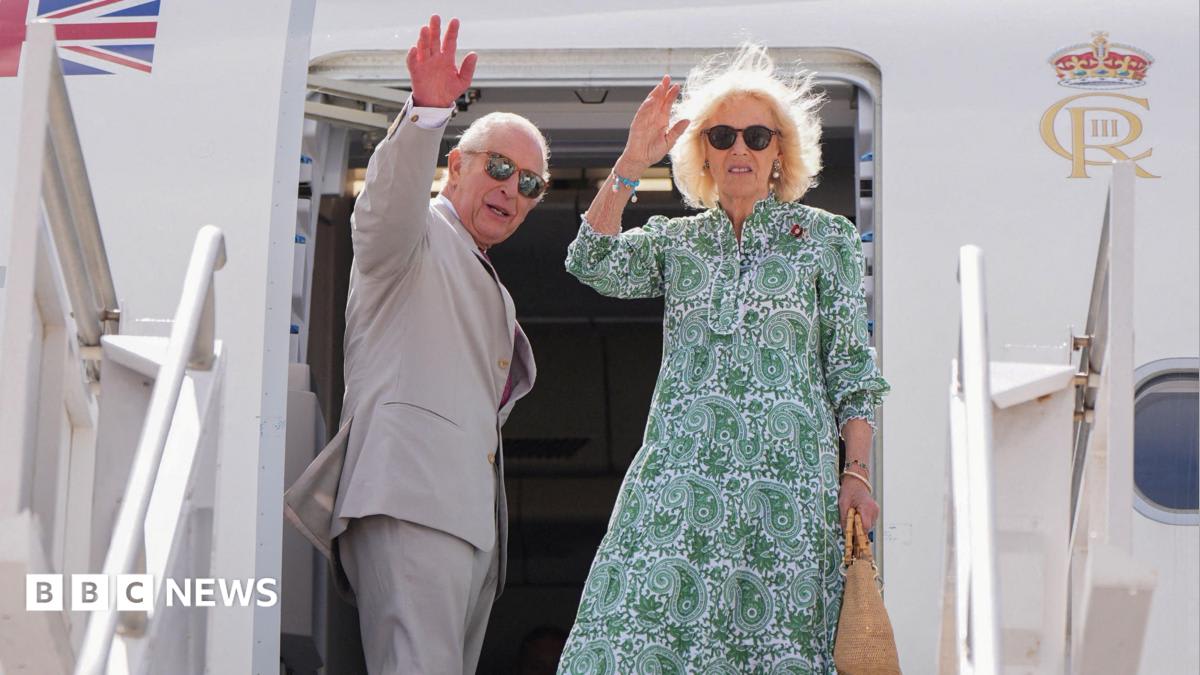
A senior palace aide confirms the King is being strategically utilized to navigate politically sensitive international missions. The recent Caribbean tour highlighted ongoing debates regarding the UK's historical role in the slave trade, reparations, and the monarchy's evolving diplomatic function.
The Monarchy’s Evolving Diplomatic Role
The recent nine-day tour of the Bahamas, Guyana, and Antigua and Barbuda by the King has brought the intersection of constitutional monarchy and contemporary diplomacy into sharp focus. According to senior palace aides, the monarch has increasingly become a 'secret weapon' for the British government, tasked with navigating delicate geopolitical landscapes that require a blend of soft power and symbolic engagement. This shift marks a notable evolution in how the Crown interacts with the Commonwealth, moving away from purely ceremonial duties toward more active, albeit complex, diplomatic participation.
Navigating Historical Accountability
A defining feature of this recent Caribbean tour was the persistent questioning regarding the United Kingdom’s historical role in the transatlantic slave trade. As the monarch engaged with local leaders and citizens across the Bahamas, Guyana, and Antigua and Barbuda, the discourse frequently centered on the demand for formal apologies and discussions surrounding reparations. These inquiries underscore a broader, ongoing global movement to reconcile colonial legacies, placing the monarch in the position of representing the state during moments of intense historical reckoning.
The 'Politically Charged' Mandate
Palace officials have candidly acknowledged that the government is intentionally deploying the King into 'politically charged' and 'challenging' environments. By positioning the monarch at the forefront of these sensitive interactions, the government utilizes the royal platform to maintain diplomatic ties in regions where public sentiment regarding historical grievances is high. This strategy suggests that the monarchy is viewed as a vital instrument of statecraft, capable of sustaining relationships that might otherwise be strained by purely political or bureaucratic engagement.
Balancing Policy and Protocol
The aide’s commentary highlights the delicate 'careful line' the monarchy must tread between government policy and the King's personal role. Because the British monarch is constitutionally bound to remain apolitical, navigating these situations requires immense diplomatic nuance. The King's willingness to engage with the 'tough parts' of the role implies a proactive approach to modernizing the monarchy's influence, ensuring that the institution remains relevant even when confronted with uncomfortable truths about Britain’s imperial past.
Future Trends in Commonwealth Relations
Looking ahead, this pattern of engagement suggests that the monarchy will continue to serve as a primary bridge between the UK and its Commonwealth partners, particularly in contexts where reconciliation is necessary. The leadership of the visited nations has clearly signaled that discussions regarding the legacy of the slave trade are not merely historical footnotes but active components of modern bilateral relations. As the King continues to head into these complex scenarios, the success of the monarchy will likely depend on its ability to balance these historical demands with the evolving expectations of the nations within the Commonwealth.