Elon Musk's Tesla and SpaceX lose over $420 billion in combined market cap after midterms
Source Entity
US Top News and Analysis
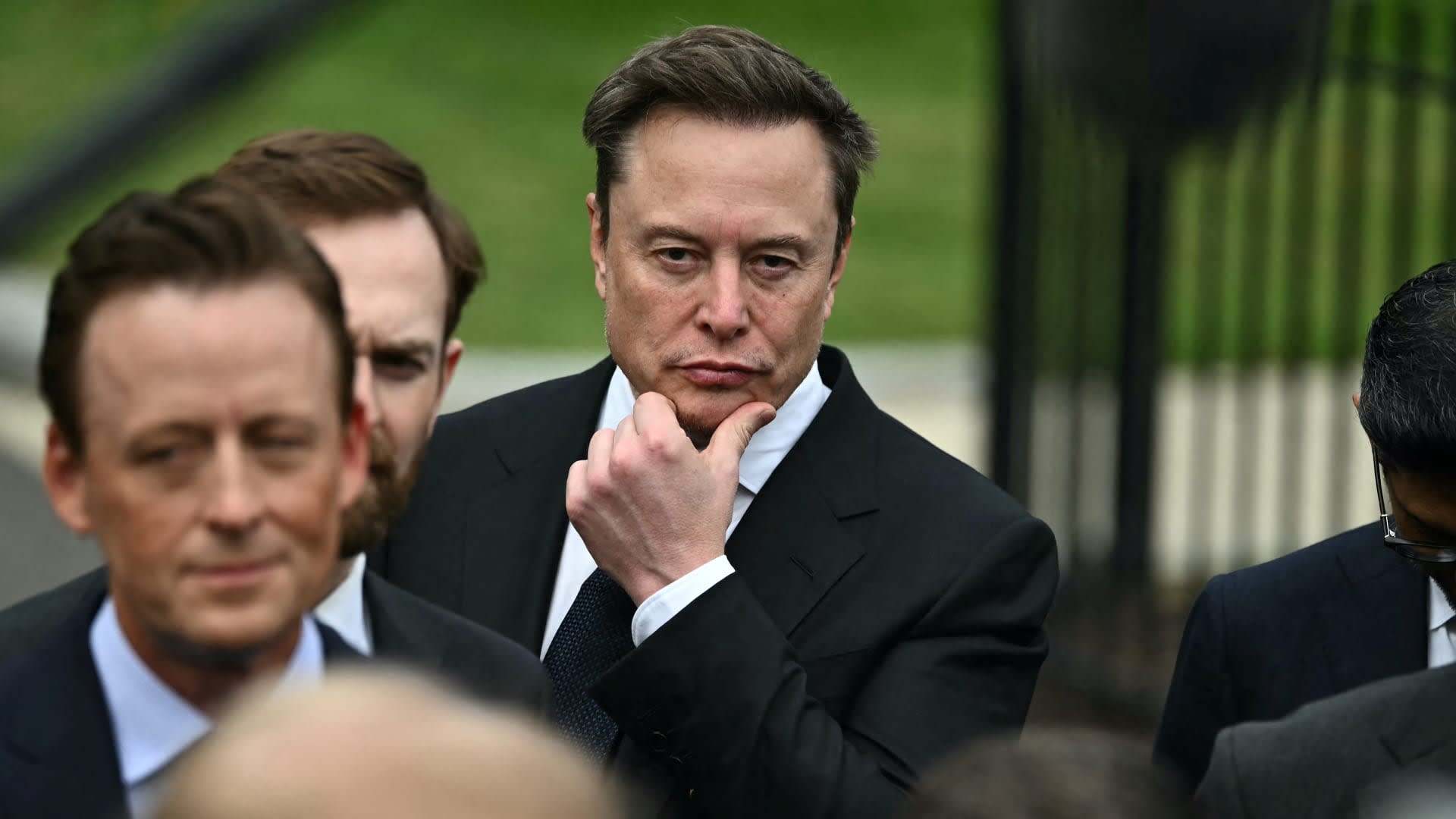
Tech billionaires led by Elon Musk invested heavily in the 2026 US midterm elections, yet failed to secure a Republican victory. The subsequent Democratic sweep led to significant financial losses for Musk's companies, Tesla and SpaceX.
The Tech Billionaire Political Gamble: A Post-Midterm Assessment
The 2026 US midterm elections have concluded with a significant Democratic resurgence, resulting in the party securing control over both chambers of Congress. While the electoral shift itself is a major political milestone, the broader story of this cycle is defined by an unprecedented influx of capital from Silicon Valley’s elite. Prominent tech leaders, including Elon Musk, Larry Ellison, Michael Dell, and Marc Benioff, channeled massive resources into the Republican cause, attempting to influence the American legislative landscape through both direct donations and strategic philanthropic pledges.
Musk’s Unprecedented Investment and Subsequent Market Reaction
Elon Musk emerged as the most significant individual financial force, contributing a staggering $474 million to support Republican candidates. This high-stakes gamble was designed to cultivate political leverage, yet the ultimate failure of his preferred candidates to capture power has had immediate, tangible consequences. Following the election results, shares of Musk-owned entities, Tesla and SpaceX, faced downward pressure, with both stocks slipping by 3.6% and 3.8% respectively in premarket trading. This performance stands in stark contrast to the broader US market, which saw the S&P 500 rally by 1.6%.
Diverse Financial Strategies Among the Tech Elite
The support for the Republican platform was not monolithic but varied significantly in approach. Larry Ellison contributed an undisclosed $45 million to the campaign, opting for a more private route compared to Musk’s highly publicized spending. Meanwhile, Michael Dell made a monumental commitment, pledging $6.25 billion toward 'Trump Accounts' intended for disadvantaged youth. These varied strategies—ranging from direct electoral funding to long-term policy-based philanthropy—highlight the diverse ways in which tech titans attempted to align their corporate interests with the Republican agenda.
The Texas Bellwether and Shifting Sentiment
Specific regional contests, such as the Texas Senate race and the gubernatorial battle between Gina Hinojosa and Greg Abbott, served as clear indicators of the public's reaction to this billionaire-backed campaign. The defeat of key Republican figures in these races suggests that the massive spending by figures like Musk did not resonate with the electorate as intended. This disconnect between billionaire financial influence and voter sentiment highlights the limitations of using corporate wealth to dictate electoral outcomes in an increasingly polarized political environment.
Long-Term Implications for Corporate Governance
As the dust settles on the 2026 midterms, the relationship between tech corporations and political power is undergoing a critical re-evaluation. Musk’s $130 billion loss in market capitalization within a single day underscores the volatility that occurs when corporate leadership becomes inextricably linked with partisan political failure. Moving forward, shareholders and analysts will likely scrutinize the wisdom of such massive political expenditures, questioning whether these investments provide genuine regulatory advantages or simply expose companies to unnecessary political risk and market volatility.
Conclusion: A Failed Strategy for Political Leverage
The 2026 midterm cycle serves as a cautionary tale for the intersection of Big Tech and partisan politics. Despite the collective efforts and billions of dollars contributed by Musk, Ellison, Dell, and Benioff, the Democratic Party successfully consolidated its power. For Musk specifically, the gamble resulted in a loss of both capital and institutional influence, signaling a period of potential instability for his companies as they navigate a legislative environment controlled by an opposition party.
Multiple Citing Sources