The smooth, frictionless world of AI-driven design has finally hit a wall. By August 2, 2026, the tide turned visibly when Snapchat stopped recommending fully AI-generated videos in its Spotlight feed, citing their repetitive and low-quality nature. Why does this matter? Because the perfect aesthetic has become a red flag for the fake. When every image is balanced and every sentence is polished to a mirror sheen, the human eye stops seeing beauty and starts seeing a pattern. We have reached a point of saturation where polish is no longer a sign of quality, but a symptom of synthesis.
This is not merely a Snapchat phenomenon; it is a systemic rejection of the synthetic across the global digital landscape. YouTube has revised its monetization policies to strip revenue from generic, template-based content, effectively dismantling the high-volume content farm model. Simultaneously, LinkedIn has taken aggressive measures to protect the professional dialogue, blocking billions of AI-generated comment attempts and intercepting hundreds of thousands daily. We are witnessing a global craving for friction. The very elements that AI attempts to smooth over—irregularity, boldness, and raw energy—are now the primary markers of human authenticity.
The Philosophy of the Ugly Flex
Digital Brutalism is not about being haphazard; it is a deliberate, strategic choice to be raw. It borrows its soul from the architectural movement of the mid-20th century, where concrete was left exposed and structural elements were highlighted rather than hidden behind plaster. In a digital context, this translates to bold typography, jarring contrasts, and layouts that refuse to apologize for their existence. It is a design flex that signals a human decision-maker was present, specifically because an algorithm would never suggest such an inefficient or jarring arrangement.
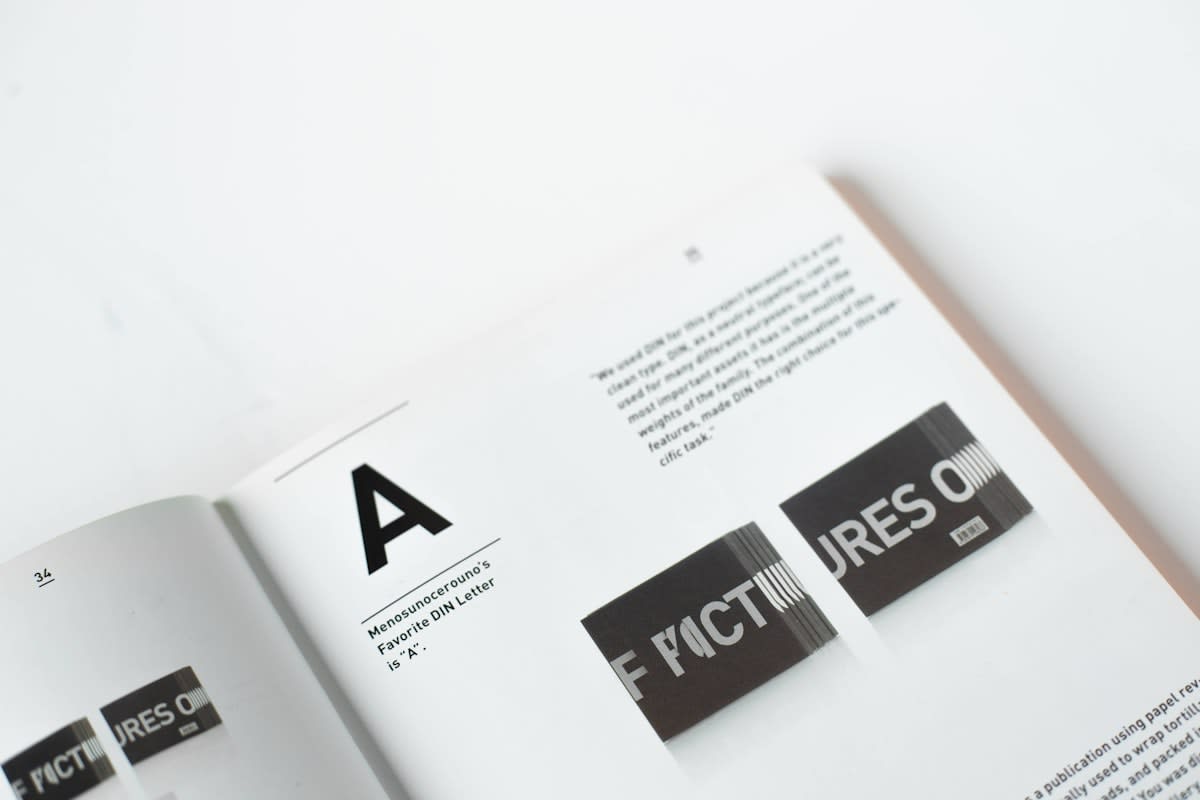
Consider the current state of the web. Most interfaces look as if they were birthed from the same three templates, optimized for a conversion rate that ignores the human soul. When you introduce an unapologetic layout, you break the hypnotic spell of the algorithm. You force the viewer to wake up and engage with the content as a conscious act rather than a passive scroll. This is how you reclaim attention in a world where perfect is now synonymous with boring and untrustworthy.
The Trust Gap
The shift toward Brutalism is a response to the fact that increased exposure to AI-generated content reduces users trust in the authenticity of online material. The goal is to move from 'user-friendly' to 'human-recognizable'.
Prerequisites for the Anti-Algorithm Shift
Before you begin dismantling your layout, you must accept a fundamental truth: you are designing for trust, not for likes. This requires a total departure from the safety of industry standards. You cannot achieve a Brutalist aesthetic while still clinging to the desire to please every single user or satisfy a generic accessibility checklist that strips away character. You need a mindset that values impact over harmony and courage over convenience.
- Tooling: Raw CSS, oversized typefaces, and a high-contrast color palette that avoids muted pastels.
- Mindset: A willingness to be perceived as ugly or jarring in the short term to build long-term authenticity.
- Knowledge: An understanding of structural honesty—showing how the site works rather than hiding the seams.
- Disdain: A healthy skepticism of AI-powered post enhancement tools that sanitize your unique voice.
The transition requires a willingness to experiment in real-time. Whether you are a designer in Tokyo, a developer in Lagos, or a creative director in Berlin, the objective remains the same: create a visual language that cannot be replicated by a prompt. This is the only way to ensure your work remains eligible for monetization and visibility as platforms like YouTube and Snapchat tighten their grip on synthetic content.
How to Implement Digital Brutalism
- Audit your current smoothness. Identify every instance where you are using generic templates or AI-enhanced prompts that make your work look like a million other pages. Strip away the gradients and the soft shadows.
- Introduce structural honesty. Stop hiding the seams of your design. Use bold, unapologetic typography and strong contrasts that create a visceral reaction. Let the grid be visible, or better yet, break the grid entirely.
- Inject human friction. Add elements that feel manual—overlapping text, raw borders, or non-linear navigation. These imperfections act as a digital signature, signaling that a human hand guided the process.
- Prioritize raw energy over polished harmony. Shift your goal from looking professional to looking authentic. Use layouts that make a statement and demand attention rather than layouts that blend into the background of a feed.
- Optimize for intent, not algorithms. Instead of following the repetitive patterns that platforms now penalize, create an experience that feels like a destination. Focus on a singular, bold message rather than a template-driven content strategy.
When you implement these steps, you are not just changing a color palette; you are redefining your relationship with your audience. By avoiding the repetitive patterns that platforms are now actively flagging as low-quality, you position your brand as a sanctuary for real human thought. This is the strategic advantage of the ugly aesthetic: it creates a cognitive jolt. In an ocean of AI-generated smoothness, a jagged edge is the only thing that catches the light.
"Somewhere along the way, 'ugly' became a design flex."— Instagram Design Insight
This flex is a survival mechanism. As LinkedIn intercepts hundreds of thousands of AI comments daily, the value of a unique, human-driven voice skyrockets. The ugly aesthetic is the visual equivalent of a handwritten letter in a world of automated emails. It is inefficient, it is loud, and it is undeniably human. It tells the viewer that the creator cared enough to make a choice that was not the easiest or the most optimized one.
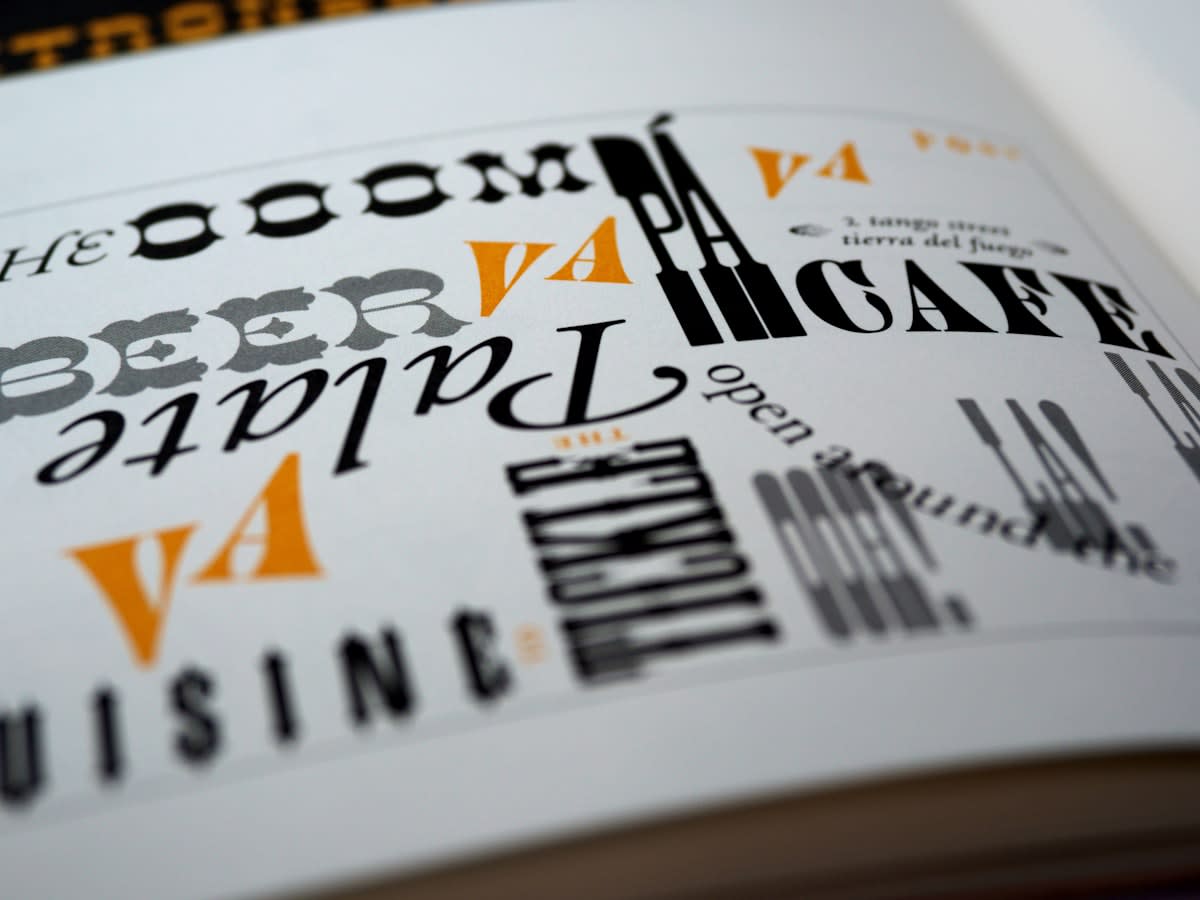
To see this in practice, look at the fringes of the creative web. Designers are realizing that the optimal user experience—the one AI is trained to perfect—is actually a sterile environment. By intentionally breaking the rules of UX, they create a memorable experience. They are trading a small amount of convenience for a massive increase in brand recall and trust.
Common Pitfalls to Avoid
There is a dangerous line between Brutalism and bad design. The most frequent mistake is confusing raw with unusable. Your site should be unapologetic, but it should not be a puzzle. If the user cannot find the essential navigation because you have hidden it behind a floating neon block for the sake of the aesthetic, you have not reclaimed authenticity; you have simply created a barrier. The goal is to challenge the user, not to alienate them.
Another trap is the Pseudo-Brutalist look—using a template that is designed to look Brutalist. This is the ultimate irony. If you use an AI-generated Brutalist template, you are falling right back into the repetitive patterns that platforms like YouTube and Snapchat are now penalizing. The authenticity comes from the human decision to break the rule, not from a pre-packaged rule that says break the rule. True Brutalism requires a manual touch.
Finally, avoid the temptation to return to safe design the moment you see a dip in traditional metrics. The shift we witnessed on August 2, 2026, suggests that the metrics of the future will be trust and authenticity, not just click-through rates. The long game is about building a brand that feels real in a synthetic world. If you optimize for the algorithm, you become the very thing the algorithm eventually learns to ignore.