#analog rituals
Discover 6 curated intelligence briefings related to this specific topic.

Mastering Human Skin Tones
Professional techniques for rendering lifelike flesh tones using the Zorn palette and advanced layering methods.

The Rent-Seekers of Remembrance
A server farm in Jurong, Singapore, holds the only remaining copies of three regional dialects. If the payment fails, the language dies.

The End of the Secret: Navigating the Great Identity Collapse
The boundary between our public personas and private realities has dissolved. This is not a crisis of privacy, but a systemic shift in how humans establish trust and intimacy in a hyper-connected world.

The Friction Fallacy: Why the Pursuit of Seamlessness is Eroding Human Satisfaction
For decades, the global gold standard for success has been the elimination of friction. But as we optimize every interaction for maximum efficiency, we are inadvertently stripping away the very challenges that trigger long-term psychological satisfaction.
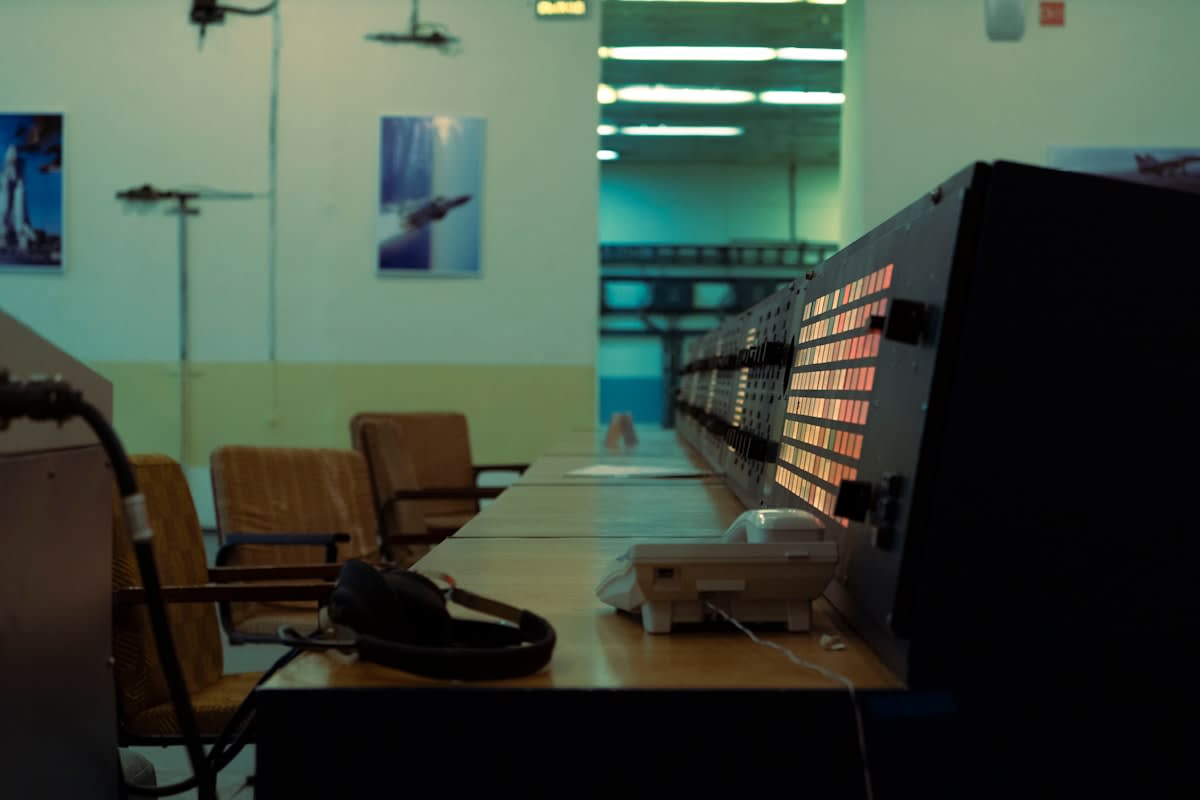
The Anti-Algorithm Aesthetic: A Practitioner's Guide to Digital Brutalism
As platforms like Snapchat and LinkedIn move to purge low-quality AI content, the design world is pivoting. Learn how to use Digital Brutalism—the art of the raw and the ugly—to signal authenticity in an era of algorithmic repetition.

Tactile Friction Outperforms the Frictionless Experience
The Experience Economy promised a world of seamless integration and effortless consumption, yet a growing global movement toward high-friction analog rituals suggests that convenience has become a commodity with diminishing returns.