The Sterile Promise of Frictionless Consumption
The architects of the experience economy spent two decades optimizing for the removal of friction. From one-click ordering to algorithmic music discovery, the goal was the total elimination of the gap between desire and fulfillment. This efficiency was marketed as liberation, a way to strip away the mundane to leave only the peak emotional state. However, when the distance between a whim and its satisfaction drops to zero, the satisfaction itself begins to evaporate. We have reached a point of saturation where seamlessness no longer feels like a luxury; it feels like a void.
Is the convenience of a click actually a form of psychic poverty? When every interaction is smoothed over by a sophisticated interface, the human brain stops registering the event as a meaningful occurrence. The Experience Economy relies on the delivery of a curated moment, but curation is not the same as creation. By removing the effort required to engage with art, music, or literature, the industry has inadvertently stripped these activities of their value. We are seeing a structural realignment where the cost of an experience is no longer measured in currency, but in the amount of intentional friction required to access it.
The Japanese Obsession with the Limited Frame
In Tokyo, the resurgence of 35mm film photography is not merely a nostalgic trend for the elderly, but a deliberate rebellion by the youth. Digital photography offers an infinite supply of images at zero marginal cost, which has led to a devaluation of the photograph. When you can take a thousand photos of a single street corner, none of them matter. The analog ritual restores the stakes. With only 36 exposures on a roll, every shutter click is a financial and emotional gamble. This limitation forces a state of hyper-presence, requiring the photographer to truly see the world before committing to the image.
This shift mirrors the Japanese concept of Ma, or the celebration of the gap. By introducing a waiting period—the time it takes to develop film—the user transforms a transaction into a narrative. The experience is no longer the photo itself, but the tension of anticipation. This is where the Experience Economy fails. It cannot sell anticipation because its entire business model is based on instant gratification. The analog return is a demand for the return of the pause, a rejection of the relentless immediacy that defines the digital age.
"The value of a moment is inversely proportional to the ease with which it is captured."— Strategic Analysis of Tactile Consumption
| Medium | Interaction Cost | Psychological Reward | Market Trend |
|---|---|---|---|
| Algorithmic Stream | Near-Zero | Passive Consumption | Saturation |
| Vinyl Record | High (Manual) | Active Engagement | 14% Annual Growth |
| Digital Photo | Zero | Disposable Memory | Hyper-Inflation |
| Analog Film | High (Financial/Time) | Intentionality | 12% YoY Increase |
This reallocation of value is not limited to the East; it is a global phenomenon driven by a biological craving for materiality.
Berlin's Sonic Materialism
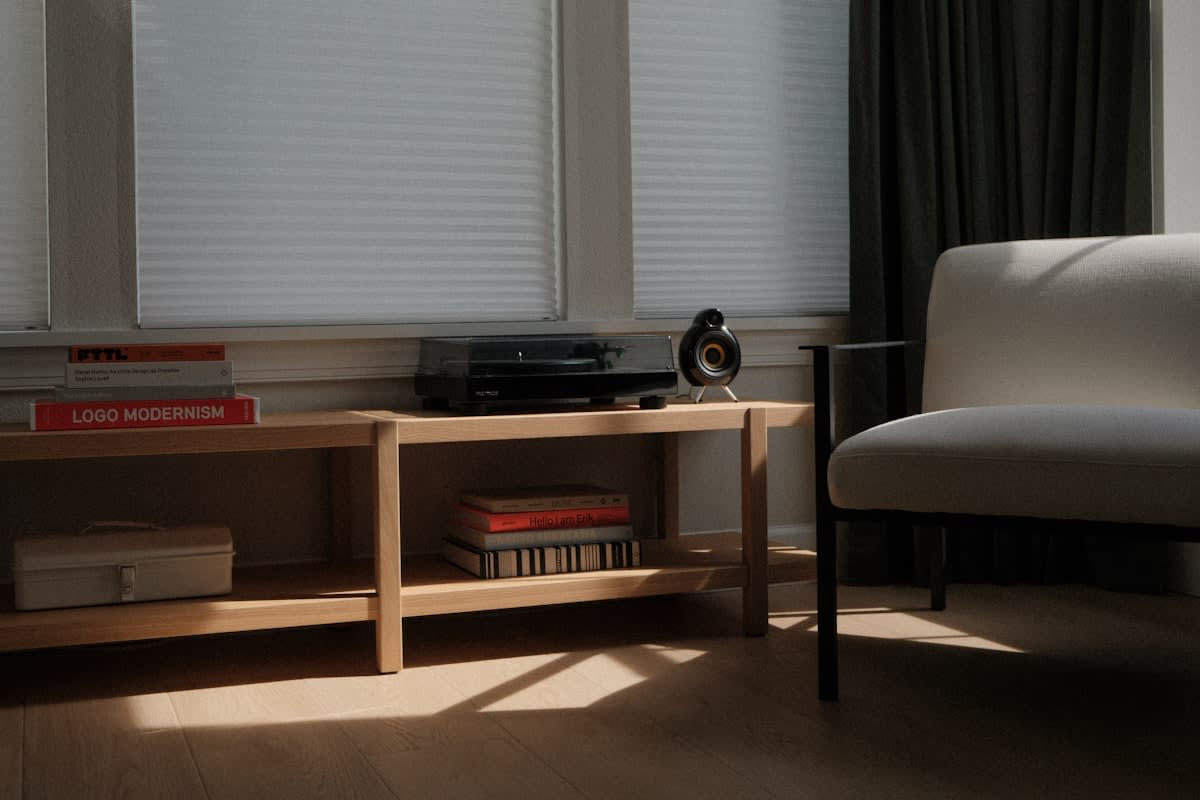
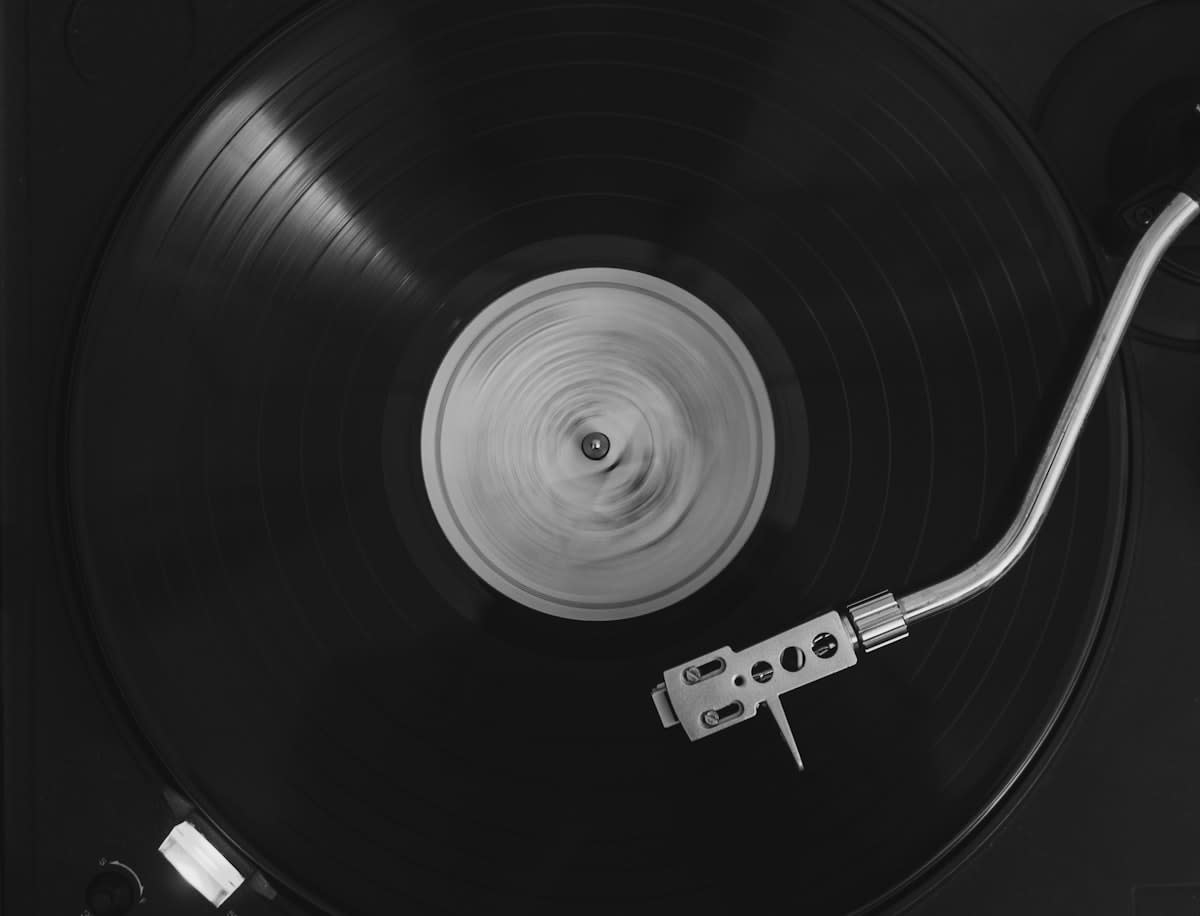
Berlin has become a fortress for sonic materialism, where the vinyl record is treated as a cognitive anchor. In the clubs and living rooms of the city, the act of flipping a record is a ritual that dictates the pace of the evening. Unlike a Spotify playlist, which functions as background noise for a life lived elsewhere, a record demands that the listener be present. You cannot easily skip a track on a turntable; you must commit to the artist's sequence. This forced commitment creates a deeper psychological bond between the consumer and the work, transforming the act of listening from a utility into a ceremony.
The economic implications are stark. While streaming services compete on the basis of library size and algorithm precision, the analog market competes on the basis of scarcity and physical quality. Collectors are paying a premium for heavy-weight wax and elaborate sleeve art, essentially paying for the privilege of having their movement restricted. This is a direct assault on the Experience Economy's core tenet that more choice and less effort equal more value. In Berlin, the most valued experiences are those that impose the most constraints.

This preference for the tangible serves as a defense mechanism against the volatility of the digital cloud. When a license can be revoked or a platform can disappear, the physical object becomes the only reliable store of cultural value.
South American Social Anchors
In Brazil, the revival of independent bookstores in urban centers like Sao Paulo suggests that the digital community is a failed promise. For years, the industry pushed the idea that e-books and online forums could replace the civic function of the bookstore. However, the sensory experience of browsing a physical shelf—the smell of paper, the serendipity of a misplaced volume—cannot be coded. There is a 22% rise in physical book sales among Gen Z in select urban Brazilian markets, a demographic that was supposed to be the final nail in the coffin of print.
These bookstores are functioning as social anchors in an increasingly fragmented society. The Experience Economy tried to digitize social interaction through platforms, but it forgot that human connection is rooted in shared physical space. A digital book club is a meeting; a physical bookstore is a destination. The ritual of travel, the tactile search, and the spontaneous face-to-face conversation create a level of social capital that no app can generate. The value is found in the inefficiency of the search.
The Friction Premium
The slow living sector, encompassing analog hobbies and decelerated consumption, is now estimated at a market valuation of $12 billion globally, proving that friction is a profitable commodity.
We are witnessing the birth of a tactile capitalism. In this new model, companies no longer compete to make things faster, but to make them more meaningfully slow. The goal is to provide a curated struggle. Whether it is the manual wind of a mechanical watch or the slow drip of a pour-over coffee, the consumer is paying for the time they are forced to spend. The Experience Economy is being undermined because it forgot that humans do not actually want a frictionless life; they want a life where their efforts result in tangible rewards.
Ultimately, the return to analog is a reclamation of agency. When the algorithm decides what we hear, see, and read, we are no longer the protagonists of our own lives; we are merely the end-users of a software package. By choosing the difficult path—the physical record, the film roll, the printed page—we reinsert ourselves into the process. The Experience Economy offered us a polished mirror of our own desires, but the analog ritual offers us a window into a reality that is messy, limited, and profoundly human.