The Pixel colors might rule this year
Source Entity
Emma Roth
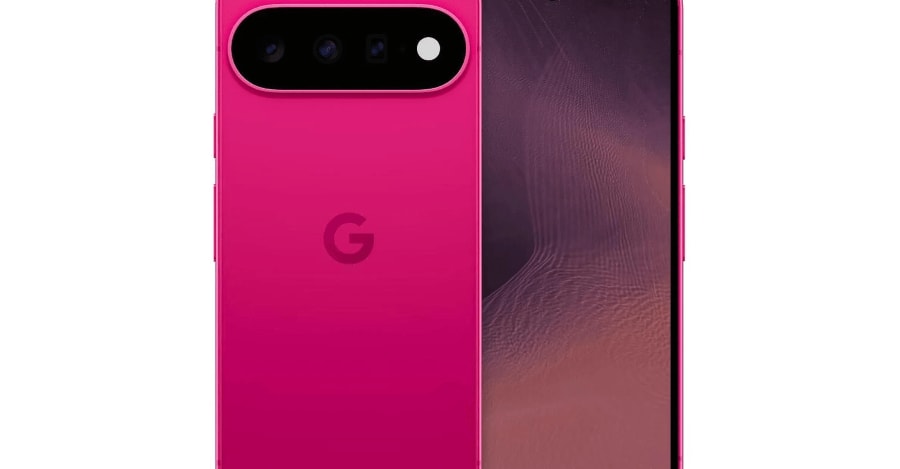
This year's Google Pixel 11 lineup might come in a bunch of funky colors. A series of now-deleted Amazon listings spotted by 9to5Google show what appear to be placeholders for Google's upcoming Pixel 11 in hot pink Fuchsia (Hibiscus), vibrant green Moss (Pistachio), and Midnight (Obsidian) black. We've seen two sets of names for the […]
A Bold New Look: Analyzing the Google Pixel 11 Color Leaks
Recent reports from 9to5Google have brought to light a series of now-deleted Amazon listings that provide a glimpse into the aesthetic direction of the upcoming Google Pixel 11 lineup. These placeholders suggest that Google is pivoting toward a more vibrant and daring color palette, moving away from the traditionally muted or professional tones of previous generations. The leaked listings specifically mention colors such as Hibiscus (a hot pink Fuchsia), Pistachio (a vibrant green Moss), and Obsidian (a classic Midnight black). While these listings were quickly removed, they offer a significant clue into Google's marketing strategy for its next flagship device.
The Shift Toward 'Lifestyle' Branding
Historically, Google has fluctuated between conservative color schemes and occasional pops of color. However, the introduction of names like 'Hibiscus' and 'Pistachio' indicates a deliberate shift toward "lifestyle" branding. By embracing "funky" and high-visibility colors, Google is likely attempting to appeal to a younger, more fashion-conscious demographic that views the smartphone not just as a tool, but as a personal accessory. This strategy aligns with the broader trend in the tech industry where hardware aesthetics are used to create emotional connections with consumers, differentiating a product in a saturated market where internal specifications have largely plateaued.
The Role of 'Material You' in Hardware Design
This move toward a more colorful hardware lineup is a logical extension of Google's "Material You" design philosophy seen in Android. Material You focuses on personalization, allowing the software's color palette to adapt to the user's wallpaper. By bringing this level of vibrancy to the physical chassis of the Pixel 11, Google is creating a holistic ecosystem where the external hardware and the internal software mirror the same philosophy of self-expression. The contrast between the daring Hibiscus and the safe Obsidian ensures that Google can satisfy both the adventurous consumer and the corporate professional simultaneously.
Analyzing the Reliability of Retail Leaks
From a fact-checking perspective, leaks originating from Amazon placeholders are often highly reliable. Retailers frequently receive SKU (Stock Keeping Unit) information and preliminary product names well before the official unveiling to prepare their logistics and database systems. The fact that these listings were deleted suggests that Google or Amazon realized the information was live too early, which ironically reinforces the authenticity of the leak. While the final production colors may undergo slight tweaks, the presence of specific names like 'Hibiscus' and 'Pistachio' suggests that the branding for these variants is already finalized.
Competitive Dynamics: Pixel vs. Apple and Samsung
Google's decision to lean into vibrant colors is also a strategic response to its primary competitors. Apple frequently uses "hero colors" to distinguish new iPhone generations, while Samsung offers a wide array of regional colors for its Galaxy S series. By introducing a distinct and perhaps more "playful" palette, Google can carve out a unique identity in the premium Android space. If the Pixel 11 can successfully marry high-end AI capabilities with a visually striking design, it may increase its market share among users who are bored with the iterative design cycles of other flagship manufacturers.
Future Trends in Smartphone Aesthetics
Looking ahead, the Pixel 11's potential color shift suggests a trend where smartphone manufacturers will rely more heavily on aesthetic variability to drive upgrade cycles. As the gap in camera quality and processing power narrows between brands, the "look and feel" of the device becomes a primary driver for sales. We can expect more brands to experiment with nature-inspired naming conventions and bold hues to create a sense of novelty and freshness in the hardware landscape.
Conclusion
In summary, the leaked Amazon listings for the Google Pixel 11 point toward a bold aesthetic evolution. By introducing vibrant options like Hibiscus and Pistachio alongside the staple Obsidian, Google is positioning the Pixel 11 as a versatile device that blends cutting-edge technology with personal style. While the hardware specifications will ultimately determine the phone's success, these color choices indicate that Google is doubling down on design as a key pillar of its competitive strategy.