A two-pack of DJI’s most capable wireless mics just got its first price cut
Source Entity
Brad Bourque
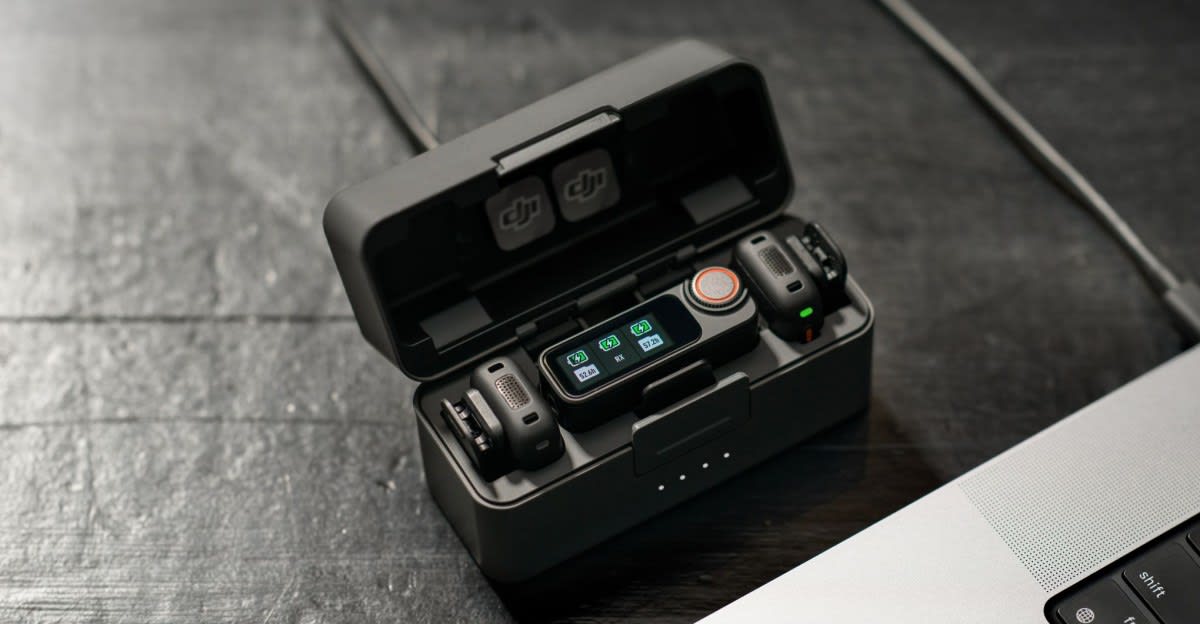
Smartphones these days have incredible cameras that are capable of taking smooth, sharp video, but the microphones are often lacking, to say the least. A wireless lavalier microphone can dramatically improve the audio quality of your videos, whether you’re the only one talking, or if you’re getting audio from multiple people. The DJI Mic 3 […]
Bridging the Audio-Visual Divide: Analyzing DJI's Strategic Price Adjustment
In the current era of mobile content creation, the disparity between visual and auditory quality has become a significant bottleneck for independent creators. While smartphone manufacturers have made quantum leaps in sensor technology, computational photography, and stabilization, the integrated microphones often remain an afterthought. The recent announcement that DJI has implemented the first price cut for its most capable wireless microphone two-pack is not merely a discount; it is a strategic move to democratize professional-grade audio for a wider audience of vloggers and journalists.
The Critical Importance of Audio in Video Production
To understand the relevance of this price cut, one must acknowledge the "audio gap." In professional cinematography, it is a well-known axiom that viewers will tolerate mediocre video quality if the audio is crystal clear, but they will immediately abandon a video with stunning visuals if the sound is distorted or plagued by background noise. By positioning their wireless lavalier microphones as a solution to the shortcomings of smartphone hardware, DJI is targeting the specific pain point of creators who possess 4K recording capabilities but lack the means to capture clean, isolated speech.
DJI's Market Positioning and Product Ecosystem
DJI has successfully transitioned from being a niche drone manufacturer to a comprehensive imaging ecosystem provider. By offering a "two-pack" configuration, DJI specifically caters to the interview and podcasting format, allowing for seamless multi-person recording without the need for cumbersome mixers. The "most capable" designation suggests that these units likely feature high-bitrate recording, advanced noise cancellation, and long-range transmission—features that were previously reserved for high-budget studio setups but are now compressed into a portable, wireless form factor.
Analyzing the Economics of the First Price Cut
The timing of a first price cut typically signals a transition in a product's lifecycle. This move may be a response to intensifying competition from rivals like Rode and Hollyland, who have aggressively pursued the "prosumer" market. By lowering the barrier to entry, DJI can capture a larger share of the entry-level professional market, encouraging users to enter the DJI ecosystem. Once a creator is invested in DJI's audio hardware, they are more likely to explore complementary products, such as gimbals or action cameras, creating a powerful brand lock-in effect.
Broader Implications for the Creator Economy
This pricing shift reflects a broader trend in the democratization of media production. As the "Creator Economy" continues to expand, the tools required to produce high-fidelity content are becoming more affordable and accessible. The shift toward wireless lavalier systems eliminates the need for expensive XLR cables and external recorders, allowing a single individual to operate as a full production crew. This efficiency accelerates the output of high-quality educational, journalistic, and entertainment content across platforms like YouTube and TikTok.
Future Trends in Wireless Audio Integration
Looking forward, we can expect wireless audio technology to move toward deeper AI integration. While current price cuts make hardware accessible, the next frontier will be real-time, AI-driven environmental noise subtraction and automatic leveling integrated directly into the microphone hardware. As DJI continues to refine its audio line, we will likely see tighter integration between the microphone's software and the smartphone's camera app, potentially automating the gain control process entirely to further simplify the user experience.
Summary
DJI's decision to reduce the price of its premium wireless microphone two-pack is a calculated response to the needs of the modern mobile creator. By addressing the inherent audio limitations of smartphones and countering market competition, DJI is ensuring that high-fidelity sound is no longer a luxury for the few, but a standard tool for the many. This move solidifies DJI's role not just as a hardware vendor, but as a critical enabler of the modern digital storytelling landscape.