Uber’s product chief on hotels, robotaxis, and why the company doesn’t want to be “everything for everyone”
Source Entity
Connie Loizos
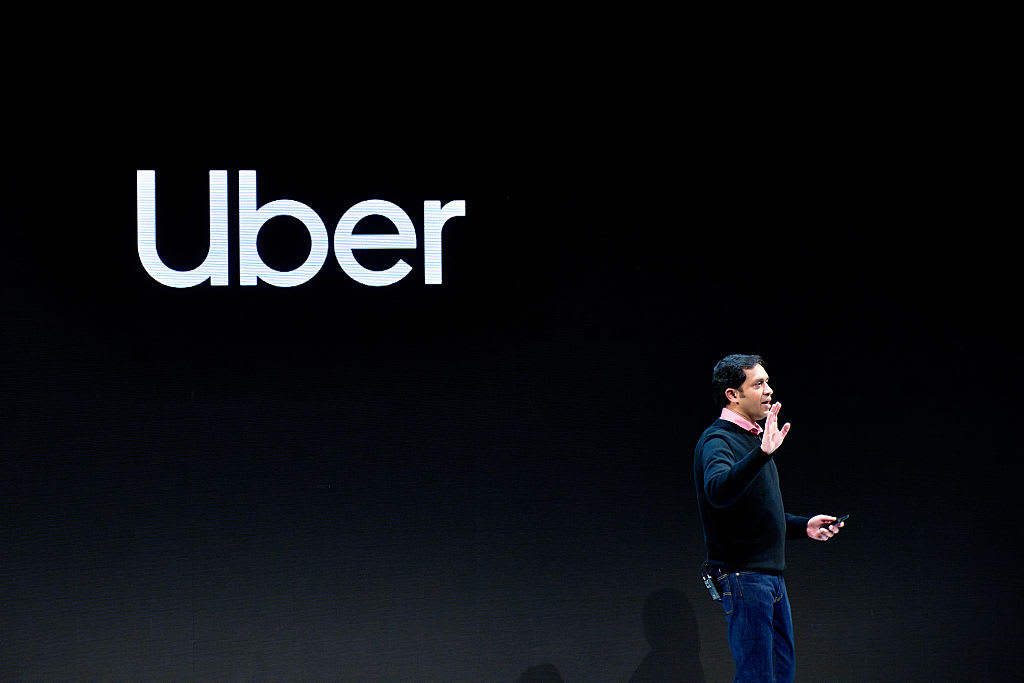
Uber Chief Product Officer Sachin Kansal walks TechCrunch through the company's financial-services ambitions, its increasingly complicated relationship with Waymo, its new AV Labs data operation, and how AI is starting to show up in ways riders and drivers will actually notice.
Uber's Strategic Pivot: Balancing Ecosystem Growth with Core Focus
In a revealing discussion with TechCrunch, Uber's Chief Product Officer, Sachin Kansal, provided a comprehensive look into the company's current trajectory. At the heart of Uber's current philosophy is a deliberate rejection of the "everything for everyone" approach. While many tech giants have chased the "super-app" phenomenon—exemplified by companies like Grab in Southeast Asia or WeChat in China—Uber is opting for a more surgical strategy. This indicates a mature phase of corporate evolution where the company is prioritizing operational efficiency and high-value synergies over raw, unfocused expansion.
Navigating the Robotaxi Frontier and the Waymo Partnership
One of the most complex facets of Uber's current roadmap is its relationship with autonomous vehicle (AV) providers, most notably Waymo. The tension here lies in the transition from a human-driver marketplace to an automated one. By positioning itself as the critical demand layer, Uber ensures that regardless of who builds the car, the users will likely book the ride through Uber's interface. This strategic positioning allows Uber to avoid the astronomical R&D costs of building its own hardware while maintaining its grip on the customer relationship. The "increasingly complicated" nature of this relationship likely stems from the balance between collaboration and competition as AV companies explore their own direct-to-consumer apps.
The Role of AV Labs and Data Intelligence
To further solidify its position in the autonomous era, Uber has introduced AV Labs. This data-centric operation is a masterstroke in leveraging Uber's greatest asset: its massive repository of real-world movement data. While AV companies have the sensor technology, Uber possesses the "demand heatmaps"—the knowledge of exactly where and when people want to go. By treating data as a product through AV Labs, Uber transforms itself from a mere ride-hailing service into an essential infrastructure provider for the entire autonomous industry, creating a new revenue stream and a competitive moat that is difficult for hardware-first companies to replicate.
Practical AI: Moving Beyond the Hype
Beyond the futuristic promise of robotaxis, Kansal highlighted how AI is being woven into the immediate user experience. Rather than deploying AI as a flashy but useless feature, Uber is focusing on "noticeable" improvements for riders and drivers. This likely includes optimized routing, more accurate ETA predictions, and enhanced matching algorithms that reduce dead-head time for drivers. By focusing on the friction points of the current marketplace, Uber is using AI to increase the liquidity and reliability of its network, ensuring that the platform remains the first choice for users even as the underlying technology of transportation shifts.
Financial Services and the Broader Ambition
Interestingly, the mention of financial-services ambitions suggests that Uber is looking to capture more of the value chain. For drivers, this could mean integrated banking, instant payouts, or credit products tailored to the gig economy. For riders, it could involve more seamless payment ecosystems. By integrating fintech, Uber isn't trying to become a bank, but rather a financial hub that reduces churn and increases loyalty among its primary stakeholders. This approach aligns with their goal of being a "platform of platforms" rather than a generic super-app.
Summary of Future Outlook
Uber is transitioning from a period of aggressive, horizontal growth to one of strategic, vertical integration. By focusing on the intersection of AI, autonomous data (via AV Labs), and targeted financial services, the company is building a resilient ecosystem. The core takeaway from Sachin Kansal's insights is that Uber intends to own the interface and the intelligence of urban mobility, leaving the capital-intensive hardware to its partners, thereby securing its dominance in the future of transportation.