'Listing is a must': Chinese humanoid startups are rushing to launch IPOs
Source Entity
US Top News and Analysis
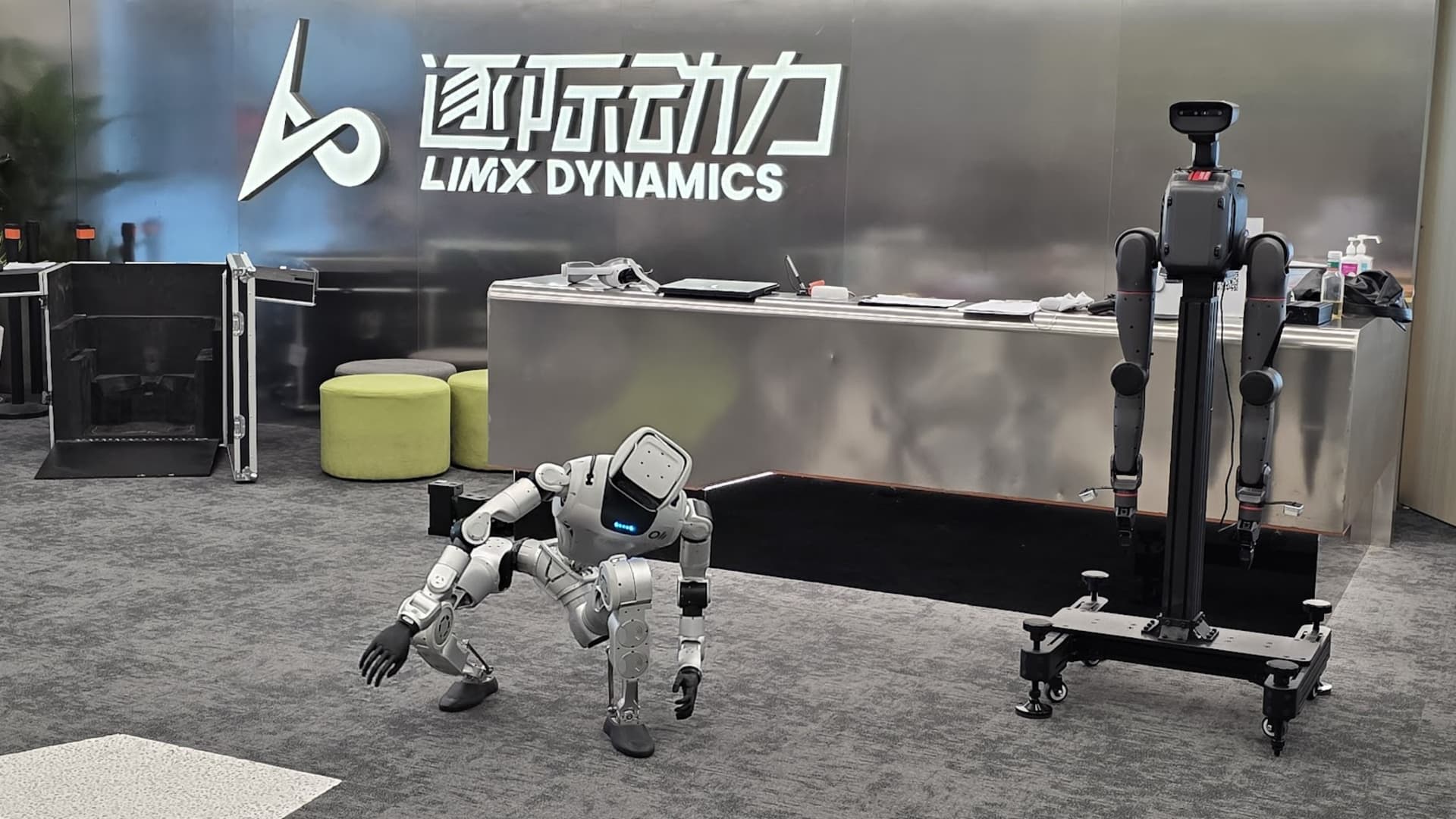
Shenzhen-based LimX Dynamics is the latest humanoid company in China to raise capital in recent weeks as investors eye IPO exits.
The Race to the Public Market: China's Humanoid Robotics Surge
The recent announcement that Shenzhen-based LimX Dynamics has successfully raised capital underscores a broader, aggressive trend within the Chinese technology sector: the rush toward Initial Public Offerings (IPOs) for humanoid robotics firms. The sentiment that "listing is a must" reflects a pivotal shift in the industry's lifecycle, moving from a phase of pure research and development into a high-stakes race for commercialization and investor liquidity. This surge is not merely about company growth but is a strategic move by venture capitalists and early-stage investors who are now eyeing exit strategies to realize gains from their early bets on embodied AI.
The Financial Imperative and Investor Exit Strategies
At the heart of this trend is the pressure for "IPO exits." In the venture capital ecosystem, the ultimate goal is to transition from private funding to a public listing, allowing investors to liquidate their holdings. For companies like LimX Dynamics, raising capital in the current climate is a signal of readiness for this transition. The urgency suggests that investors believe the window for high-valuation listings in the humanoid sector is open now, driven by global hype surrounding AI. By pushing for IPOs, these startups are attempting to lock in valuations based on the promise of future utility, even as the actual mass-market deployment of humanoid robots remains in its infancy.
LimX Dynamics and the Shenzhen Ecosystem
LimX Dynamics' recent funding success is deeply intertwined with its location in Shenzhen, often referred to as the "hardware capital of the world." The city provides an unparalleled supply chain infrastructure, allowing robotics startups to prototype and iterate hardware at speeds impossible in other regions. The ability to rapidly source sensors, actuators, and precision components gives Shenzhen-based firms a competitive edge in developing humanoid forms that are both agile and cost-effective. LimX Dynamics represents a new wave of companies that are integrating advanced locomotion algorithms with robust hardware, making them prime candidates for the public markets as they move toward industrial application.
The Convergence of Embodied AI and Industrial Necessity
This rush to list is being fueled by a massive technological leap: the convergence of Large Language Models (LLMs) and robotics, known as Embodied AI. Humanoid robots are no longer just pre-programmed machines; they are becoming capable of understanding natural language and interacting with unstructured environments. From a broader perspective, China's push into this sector is a response to critical demographic challenges, including an aging workforce and a shrinking labor pool. The strategic goal is to deploy humanoid robots in manufacturing and logistics to maintain industrial productivity, making the sector a matter of national economic security and a high-priority target for government-backed investment.
Strategic Competition and Global Positioning
China's acceleration toward IPOs in the humanoid space is also a response to global competition, most notably from the United States and players like Tesla with its Optimus project. By fostering a dense ecosystem of publicly traded robotics firms, China aims to create a sustainable financial loop where public capital fuels rapid scaling. This creates a feedback loop: public listings provide the capital for massive R&D, which leads to better products, which in turn justifies higher market valuations. This systemic approach is designed to ensure that China does not just participate in the robotics revolution but dominates the commercial infrastructure surrounding it.
Risks of Premature Public Listing
Despite the enthusiasm, the "listing is a must" mentality carries significant risks. There is a dangerous gap between the ability to demonstrate a walking robot in a controlled lab and the ability to deploy a fleet of reliable robots in a chaotic factory setting. If companies rush to IPO without a proven, scalable revenue model, they risk creating a robotics bubble. The pressure to meet quarterly earnings expectations as a public company can sometimes stifle the long-term, patient R&D required to solve the complex problems of battery life, tactile sensing, and safety that still plague humanoid robotics.
Conclusion
The movement of companies like LimX Dynamics toward public listings signals that the humanoid robotics industry in China has entered a critical phase of financial maturity. While the drive for IPOs is largely fueled by investor demand for exits and the promise of Embodied AI, it also reflects China's broader industrial ambition to automate its economy. Whether these companies can translate public capital into genuine commercial viability will determine if this trend is a sustainable industrial evolution or a speculative bubble driven by the AI hype cycle.