Microsoft tests Windows Search without all the ads and fluff
Source Entity
Emma Roth
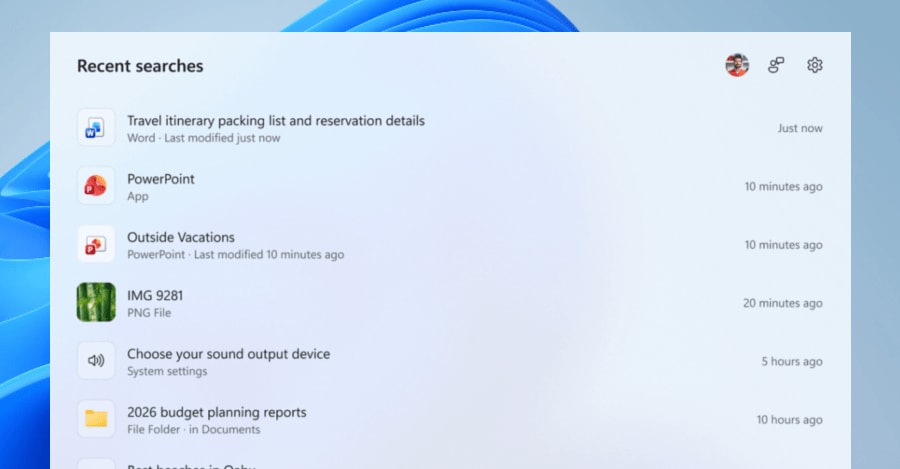
Microsoft is testing a cleaner version of the Windows 11 search menu that strips it of recommended content and ads. In a blog post on Monday, Microsoft announced that it's rolling out the decluttered Search Box to Windows Insiders in the Experimental channel as the company looks to regain trust with users and fix Windows. […]
Microsoft's Strategic Pivot Toward a Leaner Search Experience
Microsoft has officially entered a testing phase for a significantly decluttered version of the Windows 11 search menu. By removing integrated advertisements and 'recommended content,' the company is targeting a core pain point for millions of users who have grown weary of the operating system's tendency to blend local system search with web-based promotional material. This initiative, currently being rolled out to Windows Insiders within the Experimental channel, signals a potential shift in how Microsoft balances its monetization goals with the fundamental utility of its flagship operating system.
Addressing the "Bloatware" Backlash
For several iterations, Windows has moved toward an increasingly integrated ecosystem where the search bar serves not just as a tool for finding local files, but as a gateway to Bing and various Microsoft services. While this integration was intended to provide a seamless web-to-desktop experience, it often resulted in 'fluff'—irrelevant search suggestions and sponsored links—that slowed down productivity and cluttered the user interface. By stripping these elements away, Microsoft is directly addressing the criticism that Windows 11 had become too similar to a web browser, prioritizing ad impressions over the speed of local navigation.
The Psychology of User Trust and OS Fidelity
The mention of "regaining trust" in Microsoft's announcement is a critical detail. In the modern software landscape, users are increasingly sensitive to 'dark patterns' and intrusive advertising within tools they pay for or rely on for professional work. When a search bar—a primary tool for efficiency—becomes a vehicle for ads, it erodes the perceived reliability of the software. This move suggests that Microsoft recognizes a tipping point where the marginal revenue gained from search ads is outweighed by the loss of user goodwill and the potential migration of power users toward cleaner alternatives like macOS or lightweight Linux distributions.
The Role of the Windows Insider Experimental Channel
Utilizing the Experimental channel for this rollout is a calculated move. This specific tier of the Windows Insider program allows Microsoft to test highly volatile or controversial changes with a small, enthusiast-driven audience before moving them to the Beta or Dev channels. This allows the company to gather telemetry on whether the removal of ads actually leads to higher user satisfaction and improved system performance without risking the stability of the general consumer build. It serves as a litmus test for whether the general public prefers a 'pure' utility experience over a 'feature-rich' but cluttered one.
Broader Implications for Ecosystem Integration
This shift may indicate a broader trend in Microsoft's design philosophy: the separation of 'Utility' from 'Discovery.' For years, the trend in UI/UX was to merge everything into a single feed (the 'Discovery' model). However, the industry is seeing a correction where users are demanding a return to 'Utility'—tools that do exactly one thing efficiently. If this ad-free search becomes a permanent fixture, it could lead to a wider cleanup of the Windows 11 Start Menu and Taskbar, potentially removing other intrusive elements like 'Recommended' app sections that users frequently find redundant.
Predicting the Future of Windows Search
Looking forward, it is likely that Microsoft will not remove ads entirely for all users but may instead introduce a toggle in the settings menu. This would allow power users to opt into a 'Clean Mode' while maintaining monetization for casual users. Furthermore, as Microsoft continues to integrate AI via Copilot, the 'fluff' may be replaced by AI-generated summaries. The challenge for Microsoft will be ensuring that AI integration does not simply become a new form of 'clutter,' but instead provides genuine value that justifies the screen real estate.
Conclusion
Microsoft's decision to test a stripped-down search menu is a necessary step in the evolution of Windows 11. By prioritizing the user's need for speed and clarity over short-term ad revenue, the company is attempting to repair its relationship with its most vocal user base. While still in the experimental phase, this move represents a pivotal acknowledgment that the core identity of an operating system should be as a tool for productivity, not a billboard for services.