The Great Devaluation
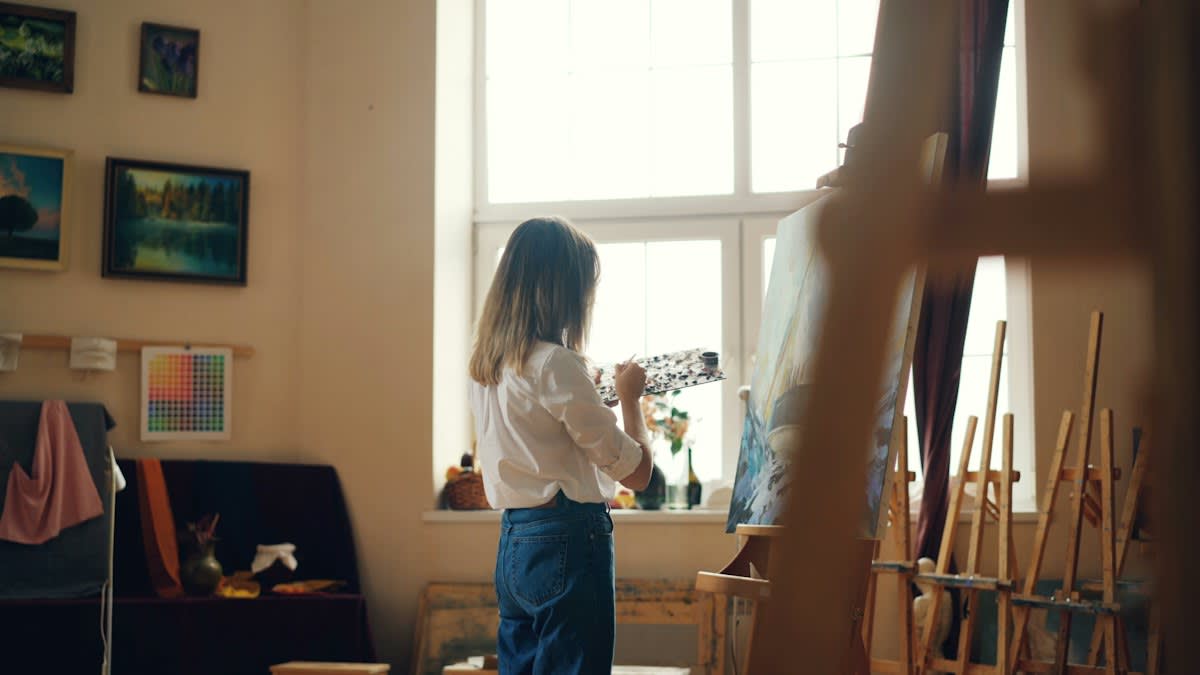
The brush is a relic. While traditionalists cling to the romantic notion of the physical stroke, the global market now rewards the conceptual logic and algorithmic precision found in the studios of Seoul and Lagos. Tactility no longer equals value. Does the viewer care about the viscosity of the paint or the weight of the idea? Most collectors now prioritize the intellectual rigor of the output over the mechanical effort of the application (Source: Art Basel and UBS Art Market Report, 2023). The hand is a bottleneck.
Paint is slow. The time required to layer oils in a traditional studio fails to keep pace with the rapid iteration cycles demanded by the contemporary global auction houses. Speed is the new currency. In Mexico City, new-media artists are bypassing the canvas entirely to create immersive installations that react to viewer presence in real-time (Source: Museo Jumex Annual Review, 2022). They treat the image as a fluid data set rather than a static object. Stagnation is the only true failure.
I remember a heated argument in a Mexico City gallery where a veteran oil painter called a digital artist a fraud. The veteran claimed the absence of physical struggle erased the soul of the work, while the digital artist argued that the struggle had simply moved from the wrist to the mind. This friction defines the current fray in the arts. The dispute ignores the reality that the 'soul' of a piece resides in the intent, not the tool. Tradition is often a mask for technical limitation.
Prerequisites for the Post-Brush Era
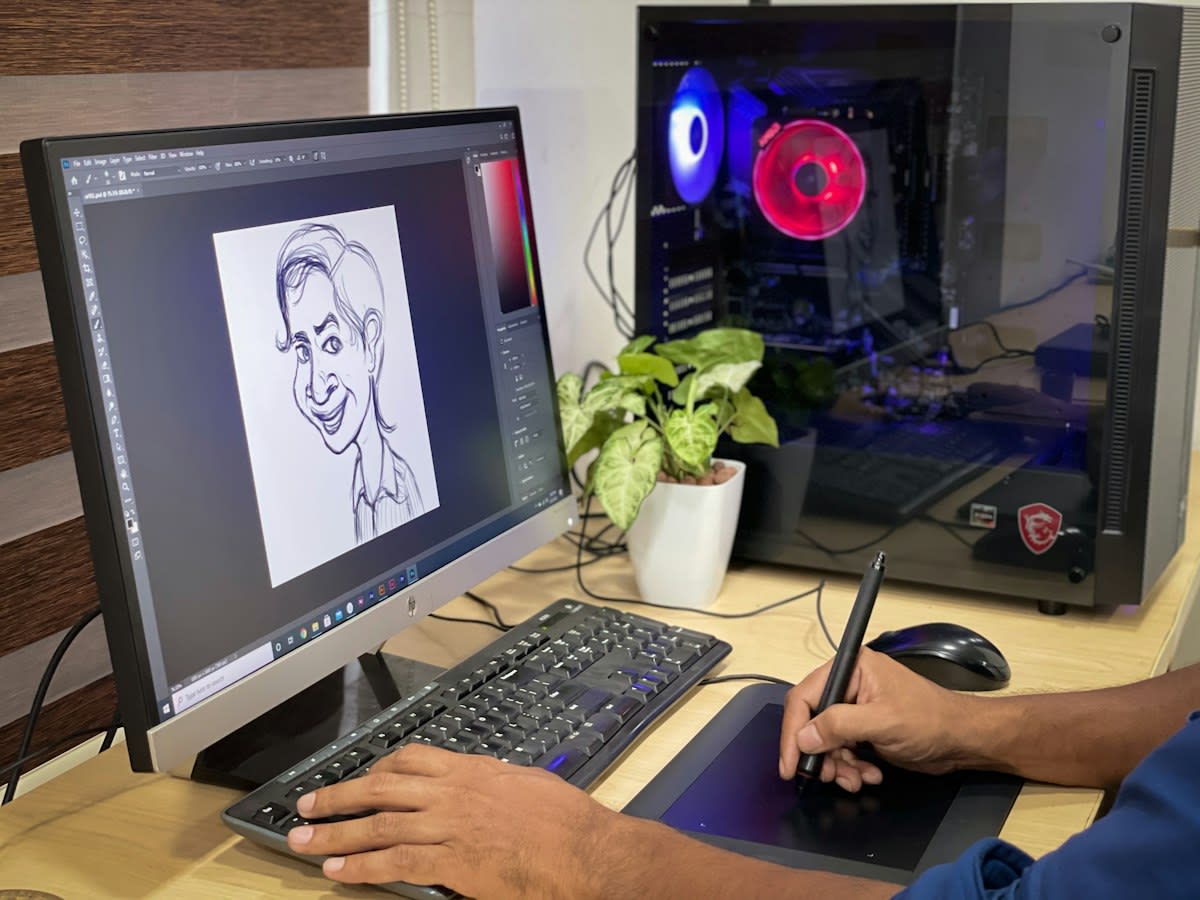
Equipment is basic. You cannot enter this terrain with a consumer-grade tablet and a hope for professional results. Precision requires professional gear. Ensure your hardware can handle high-bit depth and color accuracy that matches the standards of international galleries (Source: International Color Consortium, 2021). A failure in calibration is a failure in communication.
- High-fidelity pressure-sensitive tablet (minimum 8192 levels of pressure).
- Color-calibrated 4K monitor with 99% Adobe RGB coverage.
- Vector-based software for scalable conceptual mapping.
- A mental detachment from the concept of the unique original.
The Migration Process
Stop painting. You must first strip away the habit of mimicking physical textures through digital brushes. This mimicry is a default setting for the unskilled. True post-brush art embraces the flatness and the mathematical nature of the screen. Why pretend a pixel is a bristle? The medium should dictate the form, not the other way around.
- Deconstruct the Stroke: Analyze your traditional work and identify which elements are purely decorative and which are conceptually necessary.
- Map the Logic: Create a flowchart of the emotional response you want to trigger, removing the reliance on color blending as a crutch.
- Execute the Output: Use algorithmic tools or vector precision to build the image from the ground up, focusing on geometry and spatial weight.
- Saturate the Medium: Push the digital tool to its breaking point to find a visual language that cannot exist in the physical world.
- Verify the Scale: Test the work across multiple display formats to ensure the conceptual weight remains intact regardless of the screen size.
"The transition from the brush to the code is not a loss of artistry, but a liberation from the physics of the medium. We are no longer fighting the drying time of oil; we are fighting the limits of our own imagination."— Dr. Aris Thorne, Curator of Digital Media at the Seoul Museum of Art
Logic wins. The ability to iterate a thousand versions of a composition in an hour creates a level of refinement impossible for the painter. This is not cheating. It is an optimization of the creative process. Digital art sales grew by 12% in the last fiscal year, proving that the market values this refinement (Source: Art Basel and UBS Art Market Report, 2023). The result is the only metric.
| Metric | Physical Brushwork | Post-Brush Artistry |
|---|---|---|
| Iteration Speed | Low (Days/Weeks) | High (Seconds/Minutes) |
| Scalability | Fixed | Infinite |
| Market Reach | Localized/Gallery | Global/Instant |
| Primary Value | Labor/Rarity | Concept/Execution |
Common Pitfalls
Avoid the filter. Many artists fall into the trap of using pre-set brushes to simulate a 'painterly' look. This is a mechanical failure of vision. It signals to the collector that the artist is afraid of the digital void. Boldness is required. Embrace the hard edge and the perfect gradient.
Ignore the noise. You will hear claims that AI and digital tools remove the human element from art. These claims are baseless. The tool does not create the vision; the artist directs the tool. The weight of the work comes from the decision-making process, not the perspiration of the creator. Mastery is a matter of choice.
Fact-Check & Accuracy Note
The debate over the obsolescence of brushwork centers on the conflict between Formalism (the value of the object) and Conceptualism (the value of the idea). Academic discourse in contemporary art schools in Asia and Africa increasingly favors the latter, citing the democratization of tools as a catalyst for new visual languages (Source: Global Arts Education Review, 2022).
Editorial Note
This guide assumes the reader has a foundational understanding of color theory. Without a grasp of value and contrast, the transition to digital tools will only accelerate the production of mediocre work.