‘Putin's miscalculation under pressure’ could trigger World War III, UK intel chief warns
Source Entity
AYUSH PANDEY
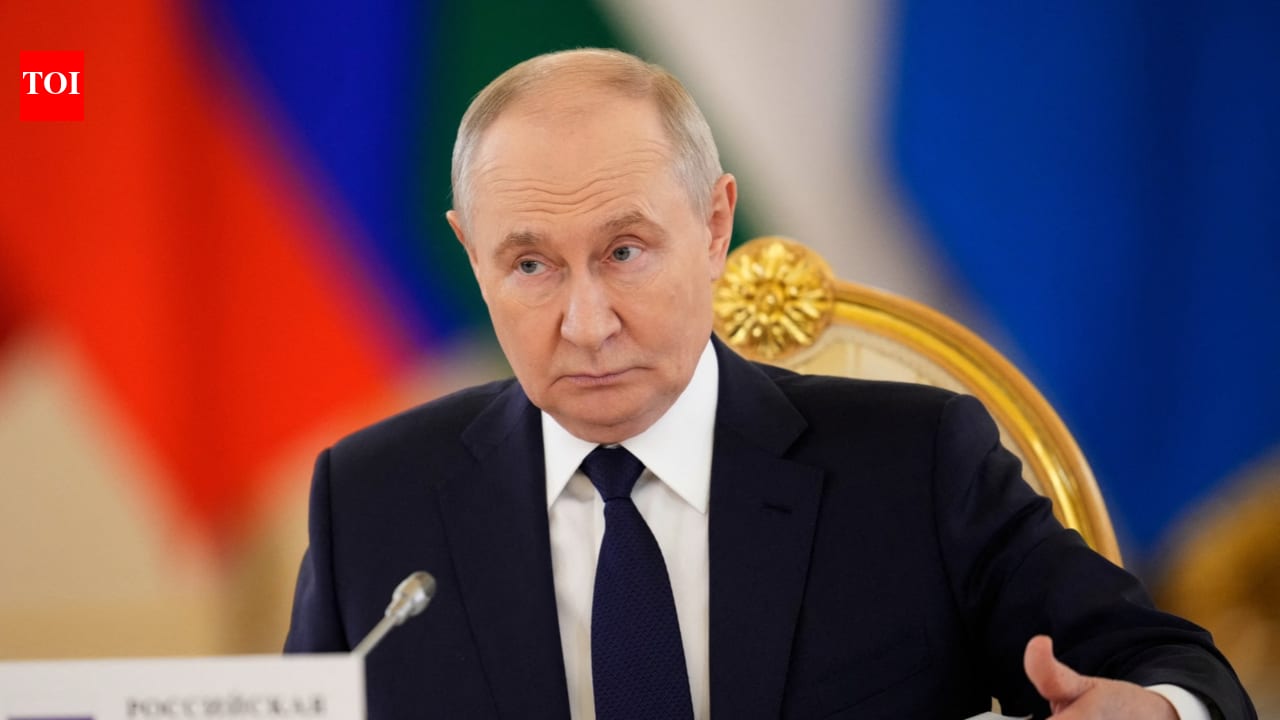
UK intelligence officials have warned that Vladimir Putin's potential miscalculations under geopolitical pressure could escalate into a global conflict. This assessment comes as Russia continues to deflect responsibility for the fraying relationship between Moscow and European nations.
The Spectre of Escalation: Analyzing UK Intelligence Warnings
Recent assessments from British intelligence agencies have sounded a stark alarm, suggesting that Vladimir Putin’s decision-making under mounting geopolitical pressure could inadvertently serve as a catalyst for a third world war. This warning highlights the fragile nature of current international security architecture and the precarious position of global diplomacy as tensions continue to simmer between Russia and the Western bloc.
The Anatomy of Miscalculation
The core of this concern lies in the potential for a catastrophic miscalculation. Intelligence experts suggest that as Russia faces increasing isolation and economic strain, the threshold for strategic errors becomes dangerously low. When leaders operate under the assumption of necessity rather than rational statecraft, the risk of misinterpreting adversarial intent increases exponentially, potentially turning localized geopolitical friction into a broader, uncontrollable conflagration.
Divergent Narratives on Diplomatic Decay
A critical component of this ongoing crisis is the stark divergence in narratives regarding the state of Russia-Europe relations. While Western intelligence and political leaders point to Russian aggression and expansionist policies as the primary drivers of the current decline, Vladimir Putin has consistently rejected these claims. By shifting the burden of blame away from Moscow, Russia maintains a domestic and international narrative that frames its actions as defensive, further complicating the prospects for de-escalation.
Historical Context and Strategic Distrust
To understand the gravity of these warnings, one must look at the historical erosion of trust between Russia and European nations. The collapse of post-Cold War diplomatic frameworks has left few channels for transparent communication. When one side views the deterioration of relations as a deliberate act of hostility by the other, the space for diplomatic maneuvering shrinks, leaving military posturing as the primary language of engagement.
Broader Implications for Global Stability
The implications of this breakdown extend far beyond the immediate region. A miscalculation by a nuclear-armed power does not remain contained; it threatens to destabilize global markets, energy security, and the established rules-based international order. As intelligence chiefs signal the increased probability of such events, the international community faces the challenge of maintaining deterrence without inadvertently fueling the very escalation they seek to prevent.
Future Trends and Conclusive Outlook
Looking forward, the trend toward heightened volatility appears likely to persist as long as the fundamental disagreement over the cause of the diplomatic decay remains unresolved. If the rhetoric continues to escalate without a corresponding opening for dialogue, the risk of a misstep leading to global conflict will remain a primary concern for world leaders. Ultimately, the warning from UK intelligence serves as a sober reminder that in the current geopolitical climate, the cost of error is higher than at any point in the recent past.