Invoking Bengal famine, India tells UNSC costs of conflict not shared equally
Source Entity
India Latest News: Top National Headlines Today & Breaking News | The Hindu
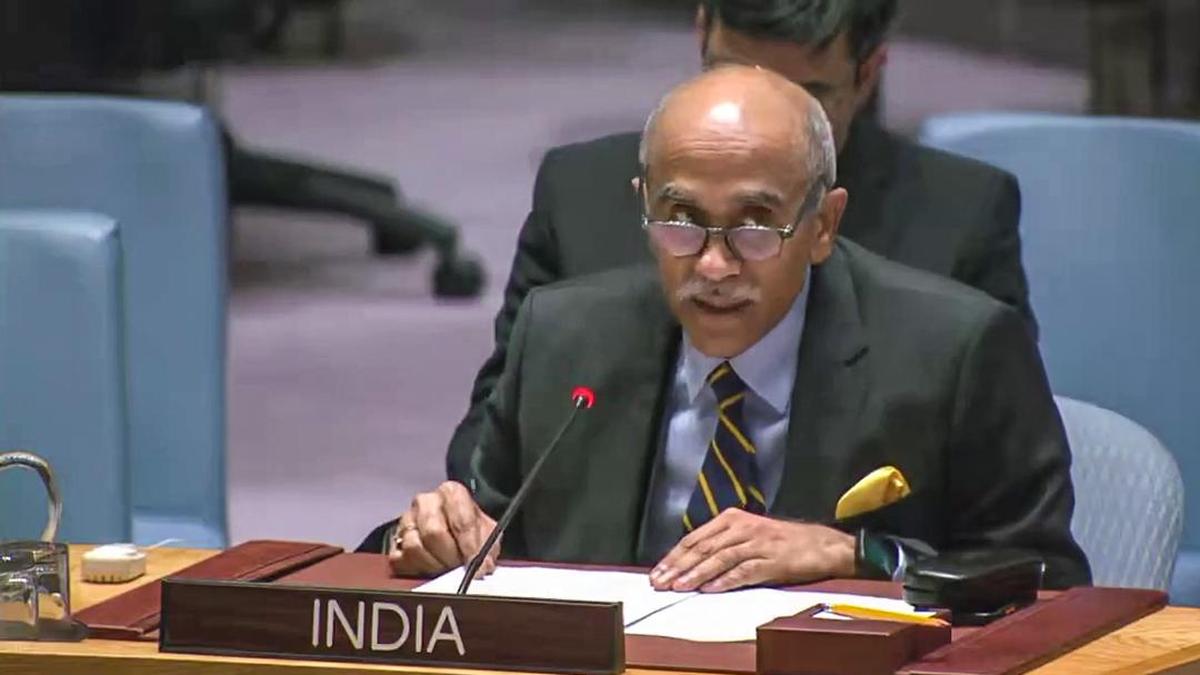
India's UN Ambassador Harish Parvathaneni addressed the Security Council, highlighting the disproportionate burden global conflicts place on developing nations. By invoking the 1943 Bengal famine, India underscored the urgent need to address food, fuel, and fertilizer insecurity in the Global South.
India Highlights Disproportionate Burden of Global Conflict at UN
The Historical Weight of the 1943 Bengal Famine
In a poignant and strategic address to the United Nations Security Council, India’s Permanent Representative, Ambassador Harish Parvathaneni, invoked the tragic memory of the 1943 Bengal famine. By referencing this historical catastrophe, India sought to illustrate the catastrophic human cost that occurs when global instability disrupts supply chains and food security. The famine, which claimed millions of lives, serves as a stark reminder of how geopolitical indifference and conflict-driven shortages can devastate vulnerable populations, providing a somber historical anchor for contemporary diplomatic advocacy.
The Plight of the Global South
Ambassador Parvathaneni emphasized that the current geopolitical climate, exacerbated by the ongoing conflict in Ukraine, has created a tiered reality where the costs of war are not shared equally. Developing nations, often referred to as the Global South, are currently bearing the brunt of systemic shortages in food, fuel, and fertilizers. These countries, which often lack the fiscal buffers of more developed economies, are seeing their developmental progress stalled by inflationary pressures and supply chain volatility that they did not initiate.
Systemic Vulnerabilities in Food and Energy
The analysis presented by India highlights an urgent structural issue: the interconnectedness of global markets means that regional conflicts have immediate, global consequences. For many nations in the Global South, the reliance on imported energy and agricultural inputs makes them uniquely susceptible to price spikes. When global powers engage in conflict, the resulting energy and fertilizer shortages translate directly into food insecurity, creating a cycle of poverty and instability that threatens to reverse decades of economic growth.
A Call for Equitable Global Governance
India’s intervention at the Security Council represents a broader push for a more equitable global order. By framing the discussion around the unequal distribution of conflict costs, India is challenging the current status quo of international security discourse. The message is clear: the UN Security Council must prioritize the survival and economic stability of developing nations, rather than focusing solely on the strategic objectives of major powers. This calls for a shift in how international responses to conflict are structured, prioritizing humanitarian relief and market stabilization for the most vulnerable.
Future Trends and Diplomatic Implications
Looking ahead, India’s explicit focus on the Global South is likely to intensify as a core pillar of its foreign policy. As global conflicts continue to threaten supply chains, India is positioning itself as the voice for nations that feel marginalized by the current international security architecture. Future diplomatic efforts will likely focus on securing supply lines for essential goods and advocating for multilateral mechanisms that protect developing economies from the collateral damage of great-power rivalries.
Conclusion
In summary, India's invocation of the Bengal famine serves as a powerful diplomatic tool to underscore the reality that global conflict is not a localized event. By highlighting the disproportionate impact on the Global South, India has placed the moral and economic burden of current global instability firmly on the agenda of the UN Security Council. This move highlights an increasing necessity for international cooperation that transcends traditional military alliances to address the fundamental human needs of the global population.
Verification Required?