2k trees felled, 3 officials sacked without probe
Source Entity
IPSITA PATI
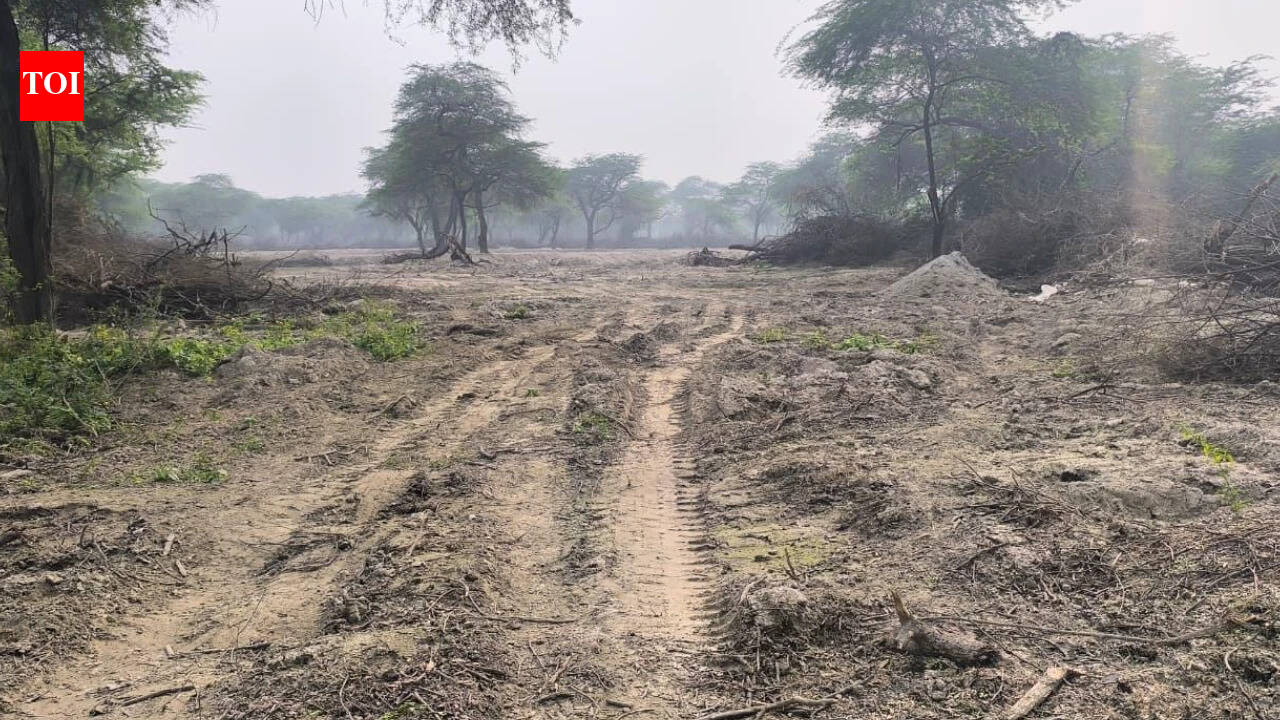
The Haryana government has dismissed three forest officials for colluding with contractors to illegally fell 2,000 trees. The decision bypasses traditional inquiries following the discovery of systematic deforestation across 25 acres of reserved land.
Environmental Crisis in Haryana: Accountability Without Inquiry
The recent decision by the Haryana government to dismiss three forest officials without a formal departmental inquiry marks a significant shift in administrative accountability regarding environmental crime. Following the illicit felling of approximately 2,000 mature trees, the administration acted decisively, signaling a move toward zero-tolerance policies for corruption within the forestry department. This action stems from evidence of direct collusion between state employees and private contractors, who systematically cleared nearly 25 acres of protected, reserved forest land.
The Scale of the Illegal Logging Operation
The environmental impact of this operation is substantial. By clearing 25 acres of reserved forest, the perpetrators have caused irreparable harm to local biodiversity and ecosystem services. The seizure of significant timber caches during raids in Punhana serves as physical evidence of the systematic nature of this destruction. Such large-scale deforestation in reserved areas often results in soil erosion, habitat loss for local fauna, and a degradation of the regional microclimate, making the government's swift intervention a critical, albeit reactive, step.
Bypassing Due Process: A New Precedent
Typically, government officials are protected by rigorous departmental inquiry protocols before termination. However, the decision to bypass these processes suggests that the evidence of collusion was so overwhelming that the state deemed the standard administrative delay untenable. This move reflects the government's attempt to restore public trust in the face of what appears to be a flagrant violation of environmental conservation laws. The dismissal underscores the severity with which the state is now viewing the nexus between officials and illegal commercial logging syndicates.
Broader Implications for Forest Conservation
The incident in Punhana highlights the persistent struggle to protect reserved forests from encroachment and illegal commercial interests. Reserved forests are designated specifically to preserve ecological integrity, yet they remain vulnerable to systemic corruption. By firing the implicated officials immediately, the administration is likely attempting to send a deterrent message to other officials who might consider facilitating illegal deforestation for personal gain.
Future Trends and Administrative Reform
Looking forward, this event will likely necessitate a structural overhaul of how the Haryana forest department monitors its territories. The reliance on post-facto raids and summary dismissals is a temporary measure; long-term sustainability will require improved surveillance technology, such as satellite monitoring or drone patrols, to detect deforestation before it reaches the scale of 2,000 trees. The state must now balance the need for swift justice with the necessity of ensuring that these measures do not undermine the legal rights of public servants, even while addressing severe ethical breaches.
Conclusion
In summary, the Haryana government's crackdown on the illegal logging operation in Punhana is a landmark moment for regional forest management. By prioritizing the preservation of 25 acres of reserved land over traditional bureaucratic procedures, the state has underscored the urgency of protecting natural resources. The challenge remains to institutionalize these protections so that future forest loss is prevented rather than merely punished after the damage is already done.