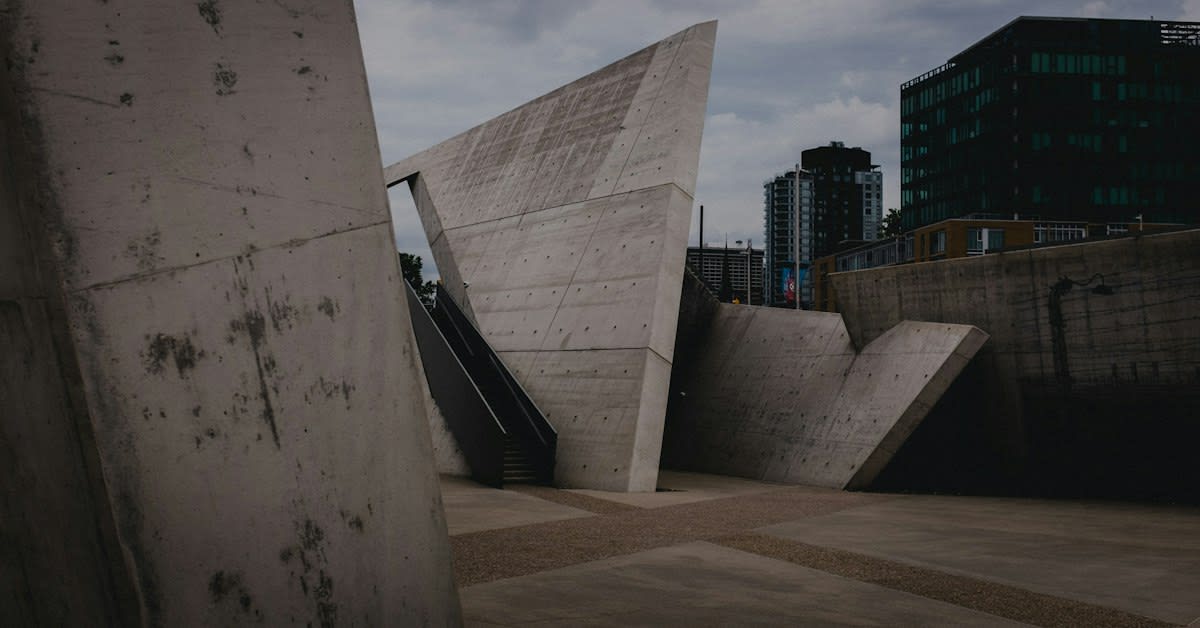
Clean design is lying. For years, the industry has worshipped a sterile aesthetic that prioritizes a calming, invisible experience over the actual functional requirements of the human user. We must now embrace a complete rejection of these norms. Brutalism is the answer. This style rejects the polished lie of the modern interface in favor of raw layouts and honest materials that tell the user exactly where they are. It places utility far above the need for mindless decoration.
The Rise of the Raw Interface
Aesthetics often deceive. We have spent a decade polishing the digital world into a frictionless void where every button looks the same and every user journey is a pre-determined slide. Brutalism breaks this boring cycle. Honesty is the goal. By stripping away the ornamental fluff, designers can create a direct line between the user's intent and the site's actual function. This approach prioritizes raw utility.
Modern tools enable this. Platforms like OPVS.ai now offer Brutalist as one of five core mood directions, treating it as a legitimate design language alongside Editorial or Glass styles (Source: OPVS.ai, 2026). Why does this matter? This shift allows developers to bypass the generic templates that have made the internet feel like a single, endless shopping mall. It restores a sense of identity.
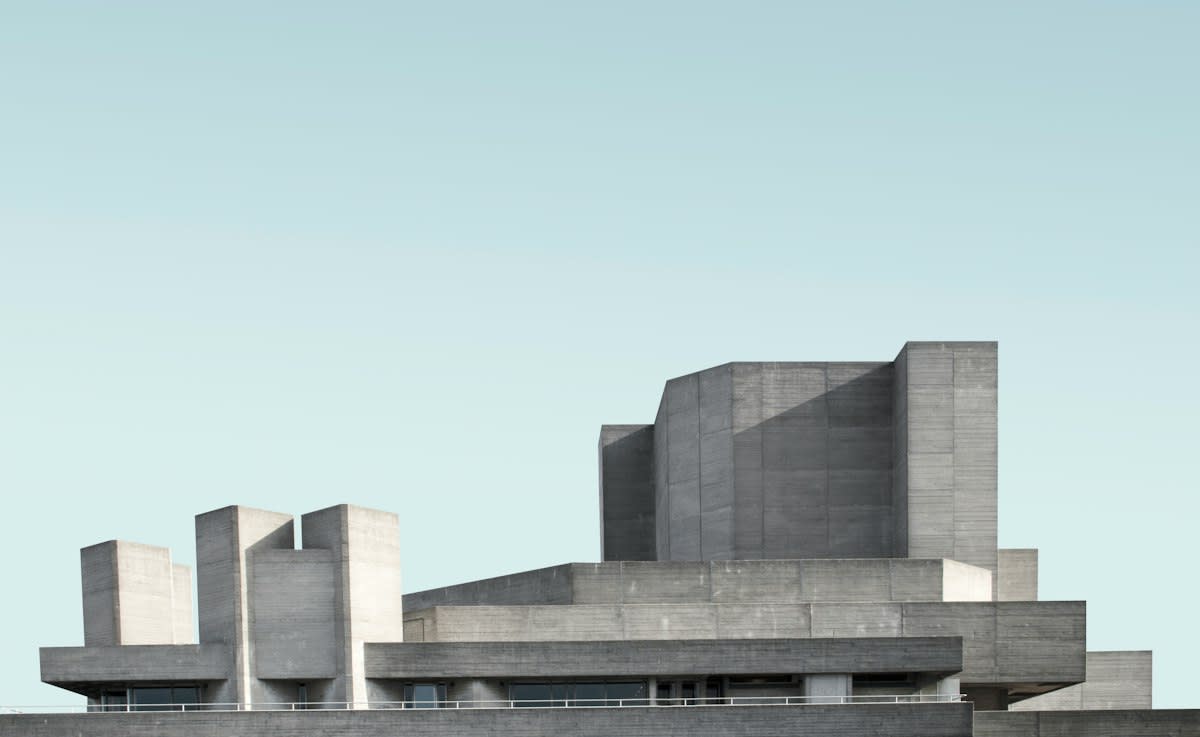
Slop is everywhere. The proliferation of AI-generated layouts has created a sea of meaningless gradients and rounded corners that provide no real guidance to the user. We need a filter. OPVS.ai addresses this by implementing a mandatory script-driven critique that includes an AI-slop blacklist to ensure designs remain intentional (Source: OPVS.ai, 2026). This removes the noise.
"We are seeing a move away from the delicate toward the substantial."— Marcus Thorne, London-based dealer specializing in post-war design
Materials must speak. In the physical realm, this manifests as a surge in demand for the raw, unrefined textures of mid-century Brutalist furniture (Source: Asheford Institute, 2026). Does this apply digitally? Yes, because the desire for sculptural weight in a living room is the same desire for visual stability in a browser (Source: Asheford Institute, 2026). We crave something tangible.
Global Lessons in Adaptive Reuse
Context is everything. In Abidjan, Côte d’Ivoire, the La Pyramide landmark serves as a prime example of how Brutalist structures can be adaptively reused to support local creativity and sustainability (Source: Archinect, 2026). Can we apply this? Digital Brutalism is essentially the adaptive reuse of the internet's original, unstyled HTML foundations. It recovers the core purpose.
Utility drives value. The RE:WEAVE project in Abidjan focused on maximizing the usability of the space to generate revenue through vertical farming and community support (Source: Archinect, 2026). This is a lesson. A website should act as a productive vessel rather than a digital brochure. Function must dictate the form.
Complexity can hide. Many designers mistake minimalism for simplicity, creating interfaces that look clean but are actually difficult to navigate due to hidden menus. Brutalism exposes everything. It puts the navigation, the hierarchy, and the content on full display. Clarity replaces the mystery.
The Insider Conflict: Style vs. Accessibility
Tensions run deep. In the production trenches, a constant battle rages between the creative director who wants a raw, high-contrast aesthetic and the accessibility engineer who demands strict compliance. This is a real fight. The director wants an unapologetic, stark look, while the engineer points to failing contrast ratios that alienate visually impaired users. It is a collision of values.
Scripts provide the suture. To resolve this, advanced workflows now use mandatory script-driven critiques to enforce WCAG AA contrast and tap-target size before any hand-off occurs (Source: OPVS.ai, 2026). Is this a compromise? No, it is a refinement. It ensures that raw aesthetics do not come at the cost of basic usability.
| Metric | Modernist Clean Approach | Brutalist Honest Approach |
|---|---|---|
| Visual Contrast | Low-contrast, soft palettes | High-contrast, stark boundaries |
| Navigation | Hidden/Hamburger menus | Exposed, explicit links |
| Interactions | Micro-animations and fades | Instant, mechanical transitions |
| Compliance | Aesthetic-first, then patched | Script-enforced WCAG AA (Source: OPVS.ai, 2026) |
Users are changing. We have reached a point where the average person can smell a corporate template from a mile away. We need a hard turn. This is why the demand for the substantial and the raw is growing across both furniture and digital design (Source: Asheford Institute, 2026). Authenticity is the new currency.
Fact-Check & Accuracy Note
This analysis relies on data from Archinect (2026) regarding urban adaptive reuse in Côte d’Ivoire, OPVS.ai (2026) regarding design-system mood directions and WCAG scripts, and the Asheford Institute (2026) regarding the Brutalist furniture market. Academic debate continues regarding whether high-contrast 'raw' design increases cognitive load or reduces it by removing ambiguity.
Efficiency wins out. When a site stops trying to be pretty and starts trying to be useful, the conversion rates often climb. Why does this happen? Users spend less time wondering how to use the interface and more time consuming the content. The tool disappears.