MP's Hingot War tradition leaves 20 injured as participants clash during post-Diwali ritual in Indore
Source Entity
Latest News: Todays Latest News Headlines from India & World | Hindustan Times
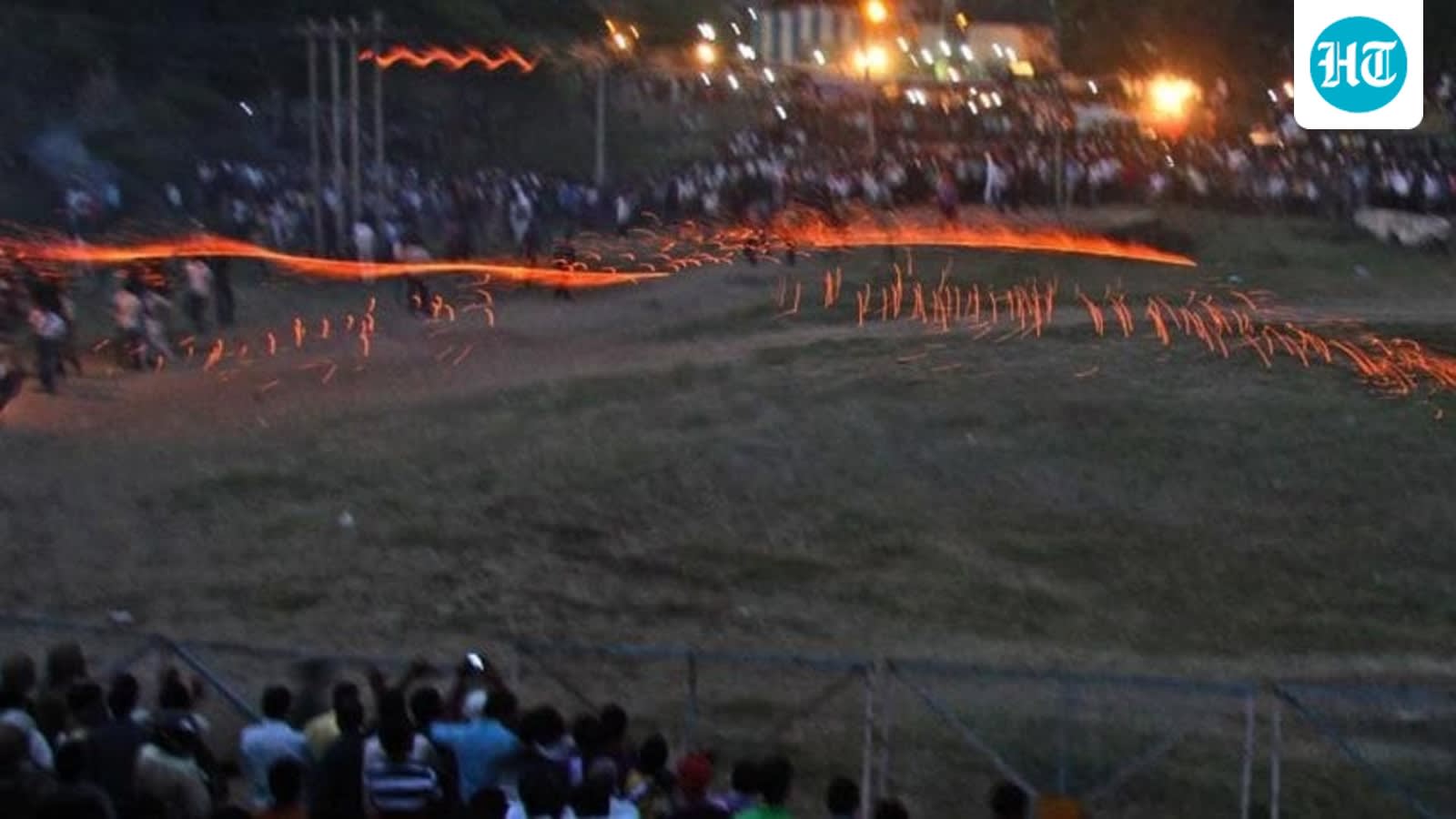
The traditional 300-year-old Hingot War in Madhya Pradesh resulted in 20 injuries this year. Participants from the Turra and Kalangi groups clashed using flaming gunpowder-filled fruit shells.
The Fiery Tradition of Hingot War
The annual Hingot War, a centuries-old ritual held in the town of Gautampura, Madhya Pradesh, once again drew significant attention this year as participants engaged in their customary clash. The event, which takes place following the Diwali festival, involves two distinct groups known as the Turra and the Kalangi. These participants hurl burning, gunpowder-filled fruit shells—known as 'Hingots'—at one another in a display of historical fervor that attracts large crowds from the surrounding Indore district.
The Human Cost of Ritualistic Combat
While the event is deeply rooted in local culture, the inherent danger of wielding explosive projectiles has tangible consequences. According to Block Medical Officer (BMO) Dr. Vibha Nagar, the most recent iteration of this event resulted in 20 injuries. The medical response was immediate, with 14 individuals receiving first aid on-site for minor burns, while six participants required further medical attention at a primary health centre. These statistics highlight the persistent risks associated with the tradition, despite its long-standing history.
Historical and Cultural Significance
Tracing back nearly 300 years, the Hingot War is a unique cultural fixture in Gautampura, located approximately 55 kilometers from Indore. Such traditions often serve as a testament to local identity, surviving centuries of social and political change. However, the juxtaposition of ancient rituals with modern safety expectations often leads to public discourse regarding the regulation of such events, as the line between cultural preservation and public safety remains a complex challenge for local authorities.
Safety and Structural Challenges
The recurring injuries raise critical questions regarding the safety protocols in place for both participants and the large number of spectators who gather to witness the spectacle. Because the 'weaponry' involves open flames and gunpowder, the potential for accidents is high. The logistical difficulty of managing a crowd while two opposing groups engage in a volatile exchange makes ensuring the safety of those involved a significant task for local administration.
Future Trends and Outlook
As public awareness regarding safety standards increases, the future of the Hingot War may involve more rigorous oversight or controlled environments to mitigate injury rates while preserving the essence of the tradition. The persistence of the event suggests that it remains a cornerstone of the community's heritage. Moving forward, the balance between honoring this 300-year-old practice and implementing modern medical and safety standards will likely remain the primary focus for local health officials and community leaders.
Verification Required?