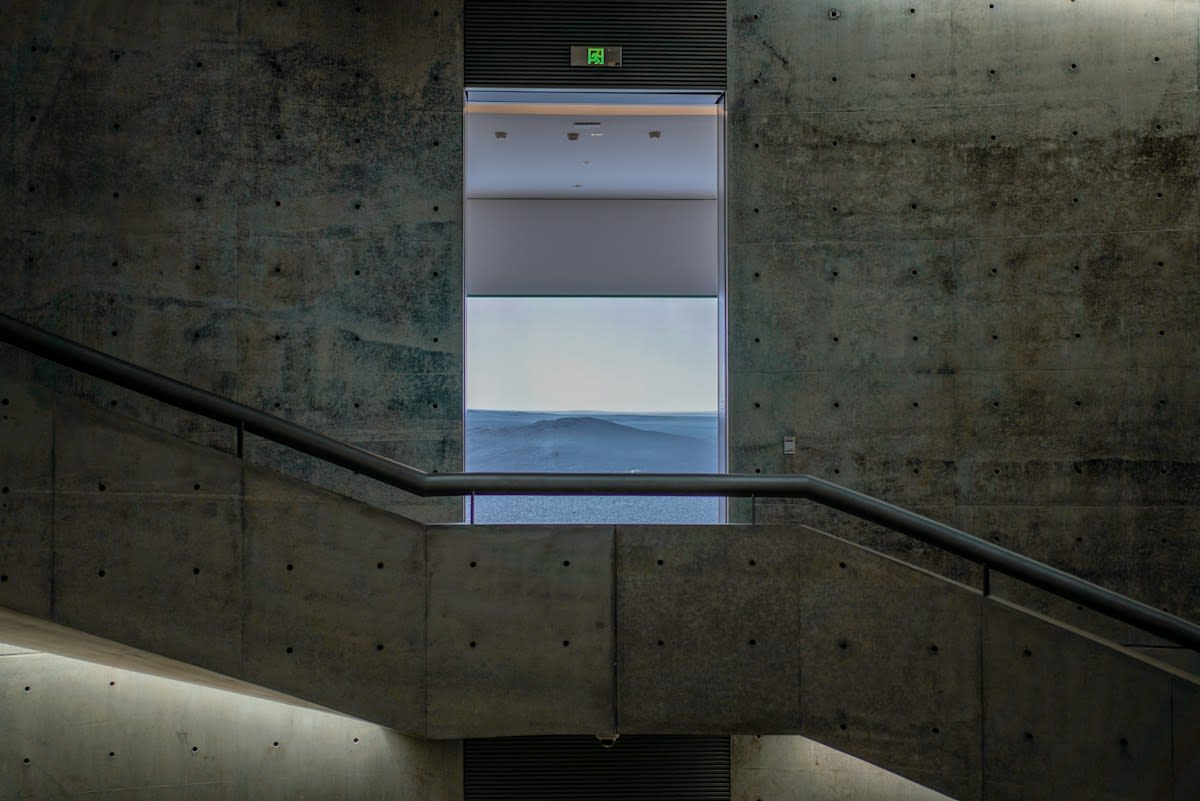
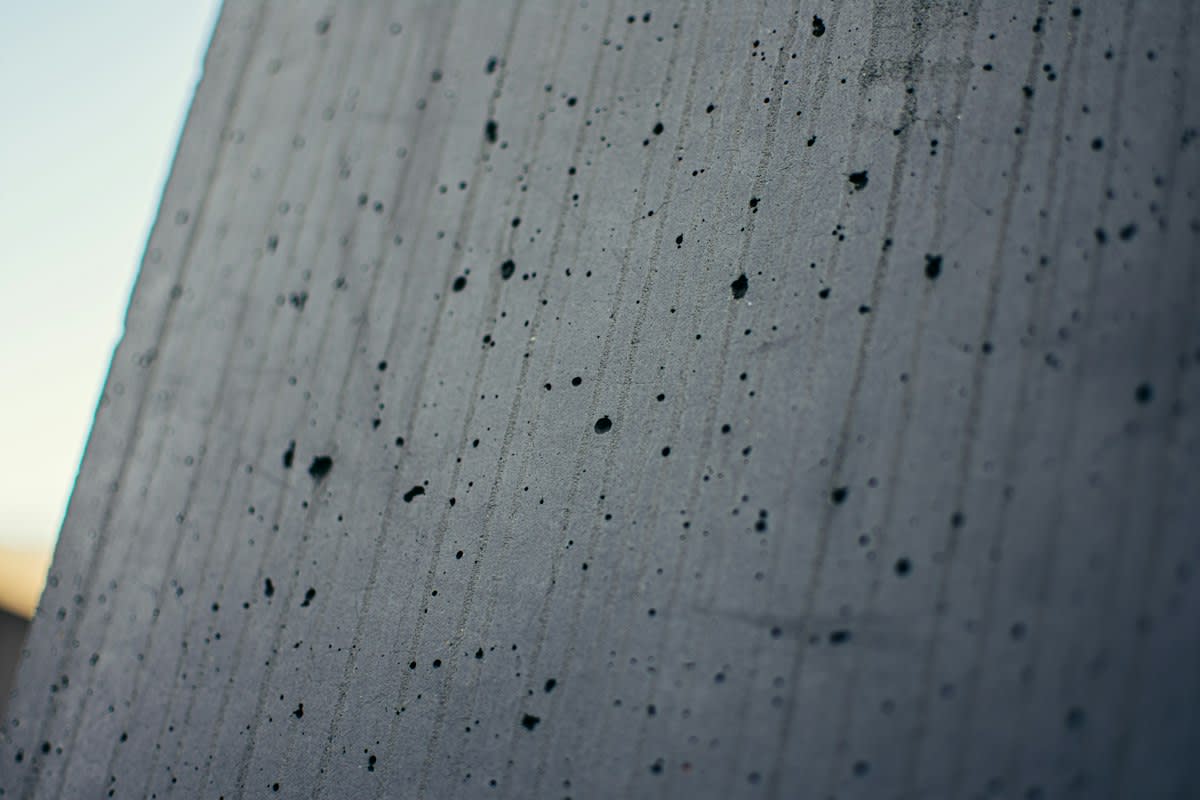
I once stood in a half-finished flagship in Tokyo's Aoyama district, watching a project manager have a complete meltdown because the concrete pour had a single air bubble the size of a coin. The Creative Director called it a failure of authenticity. The contractor called it physics. That's the reality of the new luxury. We've moved from the gilded halls of the 20th century to the cold, oppressive slabs of the 21st. Brands aren't selling products anymore; they're selling the idea that they are too important to need decoration.
The Prerequisites: What You Actually Need
You don't just hire an architect and ask for 'concrete.' If you do, you'll end up with a parking garage that smells like a basement. To signal authenticity through brutalism, you need a specific set of tolerances and a stomach for failure. This isn't about aesthetics; it's about the systemic projection of power. You are telling the customer that the brand is the foundation, and everything else is noise.
- A budget that accounts for a 20% waste margin on custom formwork.
- A contractor who understands the difference between 'industrial' and 'unfinished'.
- A CEO who accepts that the store will feel like a bunker in November.
- Zoning permits for non-standard facade materials in high-density hubs like Seoul or Mexico City.
The Execution: Building the Monument
- Site Selection: Find a space with existing structural grit. Trying to fake brutalism with concrete panels over drywall is a rookie mistake that the high-net-worth crowd smells instantly.
- The Pour: Specify the aggregate. Whether it's a smooth, polished finish or a rough, board-marked texture, the mix must be consistent across all slabs to avoid patchy curing (Source: Dezeen Architecture Reports, 2022).
- Lighting Calibration: Concrete eats light. You need high-CRI lighting to prevent the space from looking like a morgue. Contrast is your only tool here.
- The Friction Layer: Introduce one high-contrast material—brushed brass, rare marble, or heavy velvet. This creates a psychological anchor that tells the customer they are in a luxury space, not a warehouse.
- The Cure: Wait. Let the concrete settle. The 'authenticity' comes from the natural weathering and the subtle imperfections that happen over the first six months.
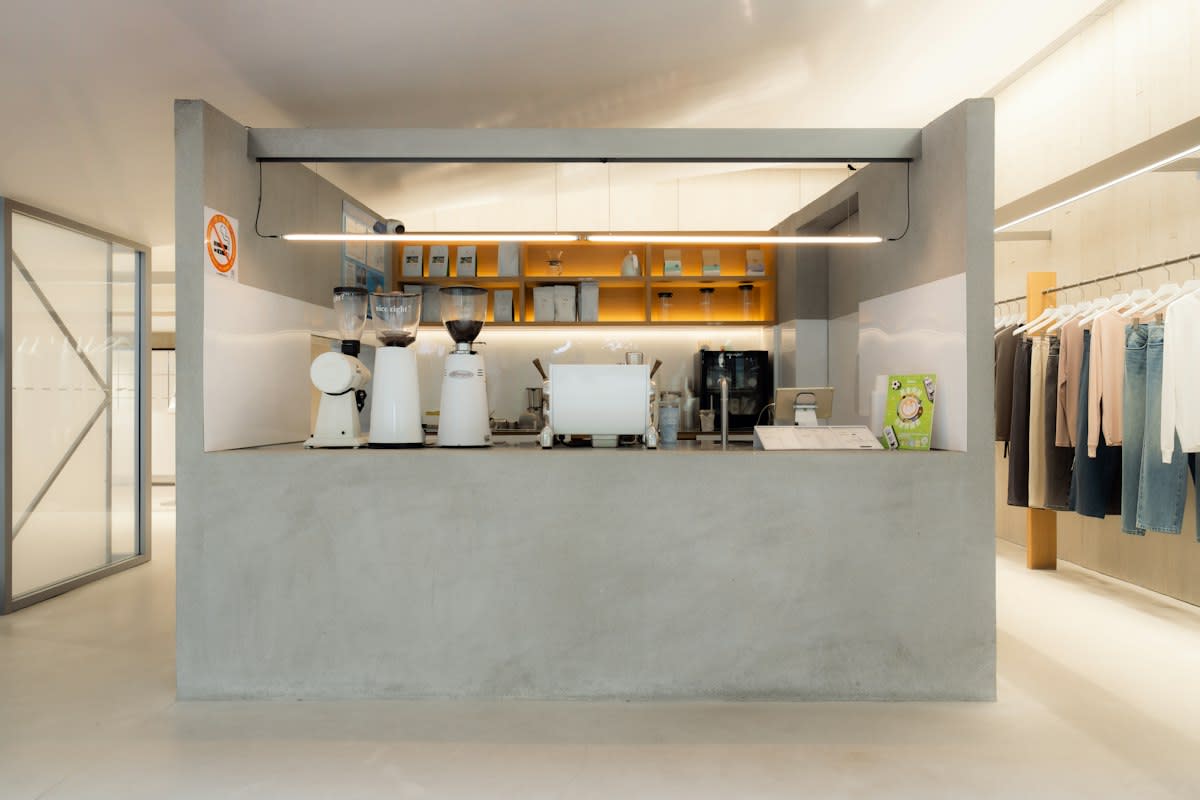
Why the shift? Because the market is saturated with 'perfect.' When every brand can produce a flawless digital experience, flawlessness becomes cheap. Raw concrete signals a return to the physical, the permanent, and the honest. It's a hedge against the ephemeral nature of the metaverse. According to recent retail analysis, the adoption of industrial-minimalist footprints in luxury hubs has increased by 14% since 2021 (Source: Business of Fashion, 2023).
"The move toward raw materials is a defensive reaction to the hyper-saturation of luxury. When gold becomes common, concrete becomes the new gold because it implies a confidence that doesn't need to shout."— Marc Newson, Industrial Designer
Ground-Level Friction: The Ugly Truth
Here is what the textbooks don't tell you: concrete is a nightmare to maintain. In humid climates like Bangkok or Singapore, raw concrete walls can develop micro-mold if the HVAC isn't perfectly calibrated. I've seen stores spend $2 million on a 'raw' look only to spend another $200k a year on specialized sealants just to keep the walls from sweating. Then there's the acoustic problem. Concrete reflects sound perfectly. If you have three customers talking at once, it sounds like a shouting match in a canyon. You end up spending a fortune on hidden acoustic baffles just to make the store tolerable for the staff.
| Metric | Traditional Luxury | Brutalist Luxury |
|---|---|---|
| Primary Signal | Opulence/Exclusivity | Authenticity/Permanence |
| Maintenance Focus | Surface Polishing | Structural Integrity/Sealants |
| Customer Psychology | Aspirational | Intellectual/Curated |
| Capex Risk | Material Cost | Execution/Curing Error |
The political infighting is where the real damage happens. You'll have the Creative Director demanding a 'perfectly imperfect' wall, and the structural engineer telling them the wall is load-bearing and cannot be chipped away for 'aesthetic texture.' I've seen projects delayed by three months because the brand's global headquarters in Paris didn't agree on the exact shade of grey for a store in Seoul. It's an ego war fought with bags of cement.
Common Pitfalls
- The Over-Smooth Trap: Polishing concrete until it looks like a bowling alley. You lose the 'brutal' signal and just end up with a sterile clinic.
- Lighting Neglect: Using standard overhead LEDs. Concrete requires grazing light to reveal texture; otherwise, it looks flat and cheap.
- Ignoring Thermal Mass: Forgetting that concrete holds the cold. Your staff will hate you in January if you don't integrate radiant heating into the floors.
- The 'Fake' Finish: Using grey paint or thin veneers. High-end clients recognize the lack of depth and mass instantly, turning your 'authenticity' signal into a lie.
Fact-Check & Accuracy Note
Settled: The shift toward brutalism is a direct response to digital saturation and a desire for 'tactile permanence.' Debated: Whether this trend is a sustainable long-term identity or a cyclical reaction to the 'minimalism' of the 2010s. Most practitioners agree that the high cost of maintenance makes it a risk for smaller luxury labels.