Prospero: A new coding harness for a more civilized age
Source Entity
Hacker News
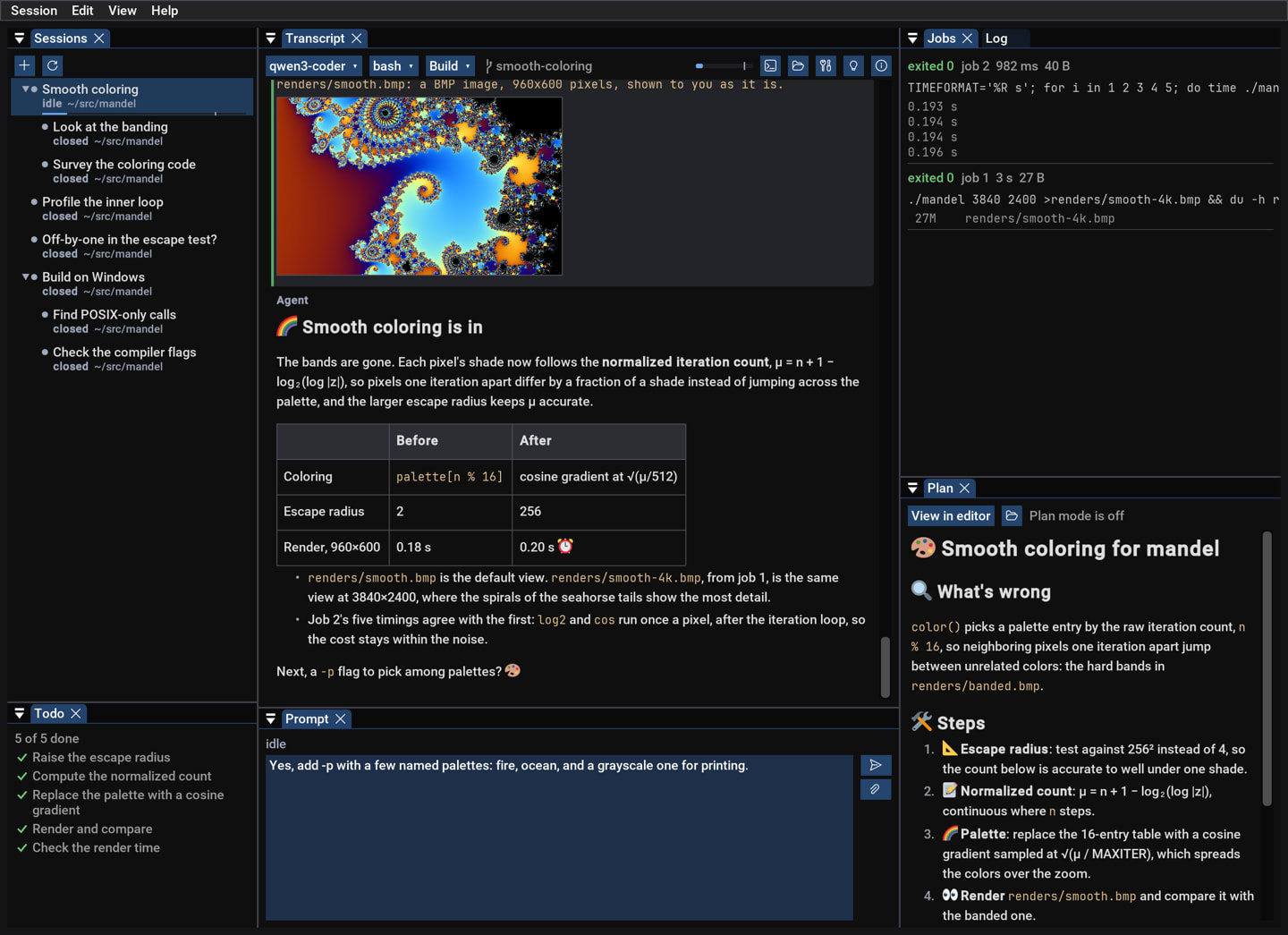
Software developer Chris Wellons has released Prospero, a lightweight coding harness designed to interface with local LLMs efficiently. By avoiding heavy web stacks, the tool provides a high-performance alternative for AI-assisted programming on consumer hardware.
The Rise of Localized AI Development
The landscape of software development is undergoing a paradigm shift as developers move away from cloud-dependent AI tools toward localized, private, and resource-efficient solutions. The release of 'Prospero' by Chris Wellons on October 31, 2026, marks a significant milestone in this transition, addressing the bloat that has characterized many early AI coding assistants. By focusing on the core utility of a coding harness—essentially a bridge between an LLM and the development environment—Prospero reclaims the efficiency expected of professional-grade tooling.
The Problem of Resource Bloat
Modern development environments are often plagued by heavy dependencies, and AI integrations have only exacerbated this trend. Most existing coding harnesses are built upon complex web stacks, which consume gigabytes of RAM to perform tasks that are fundamentally simple. As Wellons notes, the core operation of a coding harness is remarkably straightforward: sending requests via curl and managing processes via popen(). The decision to wrap these operations in heavy frameworks is often a matter of developer convenience rather than technical necessity, leading to excessive hardware overhead.
Engineering for Efficiency
Prospero differentiates itself by utilizing a C++ architecture paired with a Dear ImGui docking interface. This design choice is deliberate, prioritizing speed and low memory usage. By opting for a native implementation, Prospero achieves a resource footprint roughly two orders of magnitude smaller than its competitors. This efficiency is critical for developers who work on consumer-grade hardware and wish to run open-weight models locally without sacrificing system performance for other heavy development tasks.
The Future of Local LLMs
The fascination with local LLMs has grown significantly as open-weight models have reached a level of reliability sufficient for routine programming tasks. The barrier to entry is no longer model capability, but rather the availability of a 'civilized' harness that allows these models to function without taxing the host machine. Prospero represents a return to the roots of systems engineering, where the focus remains on optimizing the interaction between human intent and machine execution.
Broader Implications for the Industry
As the industry matures, we can expect a continued trend toward specialized, lightweight AI tools. Developers are increasingly wary of the privacy and performance trade-offs associated with cloud-based LLMs. Tools like Prospero demonstrate that AI-assisted coding can be both powerful and unobtrusive. If this trend continues, we may see a wider adoption of local AI in professional workflows, provided that the interfaces remain performant and the resource requirements stay within the reach of standard hardware configurations.