Supermarket freezers in Belgium, Sweden and Luxembourg hit by suspected cyber-attack
Source Entity
BBC News
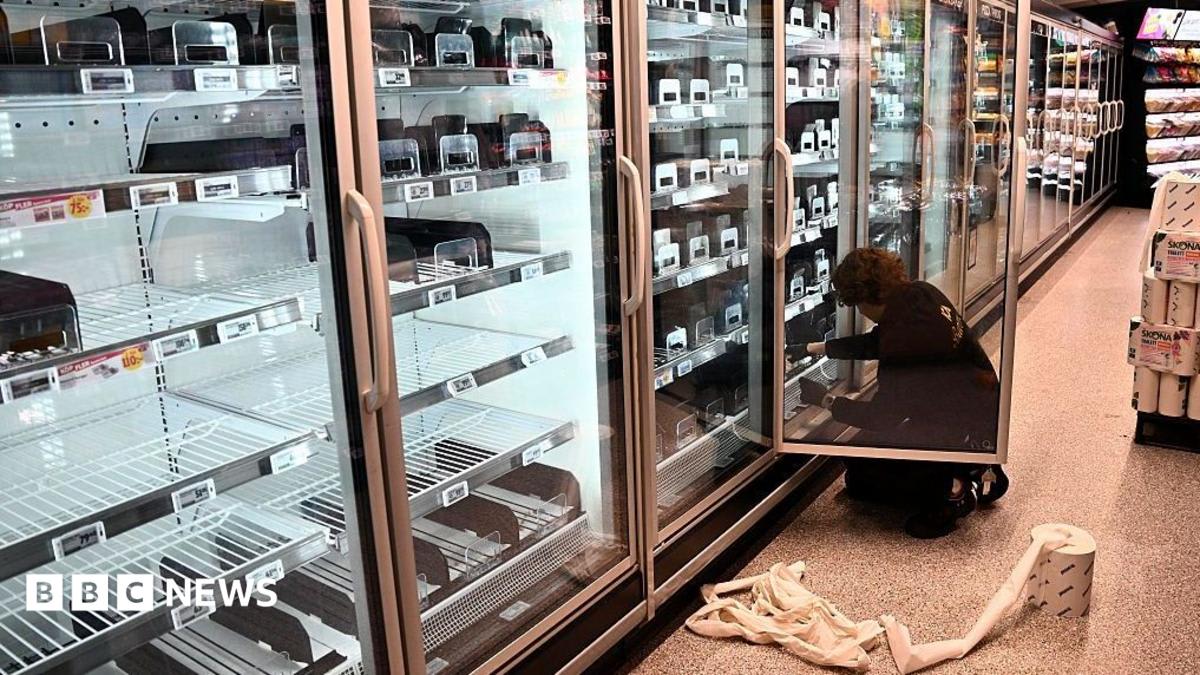
A wave of suspected cyberattacks has targeted commercial refrigeration systems across Europe and US military bases, leading to significant food spoilage. Authorities are currently investigating these disruptions, which involve unauthorized adjustments to temperature settings.
A Global Crisis in Food Security
A coordinated series of suspected cyberattacks targeting commercial refrigeration and freezer systems has sent shockwaves through the retail and defense sectors across Europe and the United States. From Delhaize supermarkets in Belgium and Luxembourg to ICA and Coop stores in Sweden, and even commissaries at US military bases like Fort Huachuca, the scale of this disruption is unprecedented. By manipulating industrial control systems, attackers have forced freezers into defrost modes or elevated temperatures to as high as 50 C (122F), resulting in the loss of millions of euros in inventory and threatening the food security of service members and civilians alike.
The Mechanics of the Breach
While the specific technical methodology remains under investigation, the pattern suggests a sophisticated exploitation of vulnerabilities within connected food storage management systems. The incident in Sweden, where freezer temperatures were deliberately set to extreme levels, highlights an alarming level of unauthorized access to critical infrastructure. Because these systems are often integrated into broader enterprise networks for monitoring and energy efficiency, they present an attractive, low-security entry point for malicious actors looking to cause physical damage or supply chain chaos.
Patterns of Escalation
This current wave of attacks follows a concerning precedent set last month in France, where hundreds of supermarkets faced similar disruptions. The fact that the US Pentagon is now coordinating with French authorities to investigate incidents from August indicates that this is not an isolated local event but a transnational threat. The involvement of the US Cyber Command and the Defense Department underscores the gravity of the situation, as the targeting of military commissaries shifts the narrative from mere corporate loss to a potential matter of national security.
Regulatory and Industry Response
The Food and Agriculture Information Sharing and Analysis Center (ISAC) has issued urgent warnings regarding the inherent vulnerabilities of modern food storage systems. As supermarkets and military facilities increasingly adopt 'smart' technology to optimize operations, they simultaneously expand their digital attack surface. The current investigations by national cyber-security agencies in Belgium and Sweden, alongside the Pentagon’s probe, reflect a growing recognition that cold-chain infrastructure is a critical component of the supply chain that requires more robust cyber-defenses.
Broader Implications and Future Trends
Looking ahead, this event marks a turning point in how industries perceive the risks of the Internet of Things (IoT) in industrial environments. We are likely to see a rapid shift toward mandatory security audits for refrigeration management software and a move toward air-gapping critical temperature control systems from public-facing networks. As attackers continue to evolve, the intersection of physical infrastructure and digital security will become the primary battleground for protecting essential resources like food, power, and water, forcing a complete overhaul of current operational security standards.