The Shadow Market
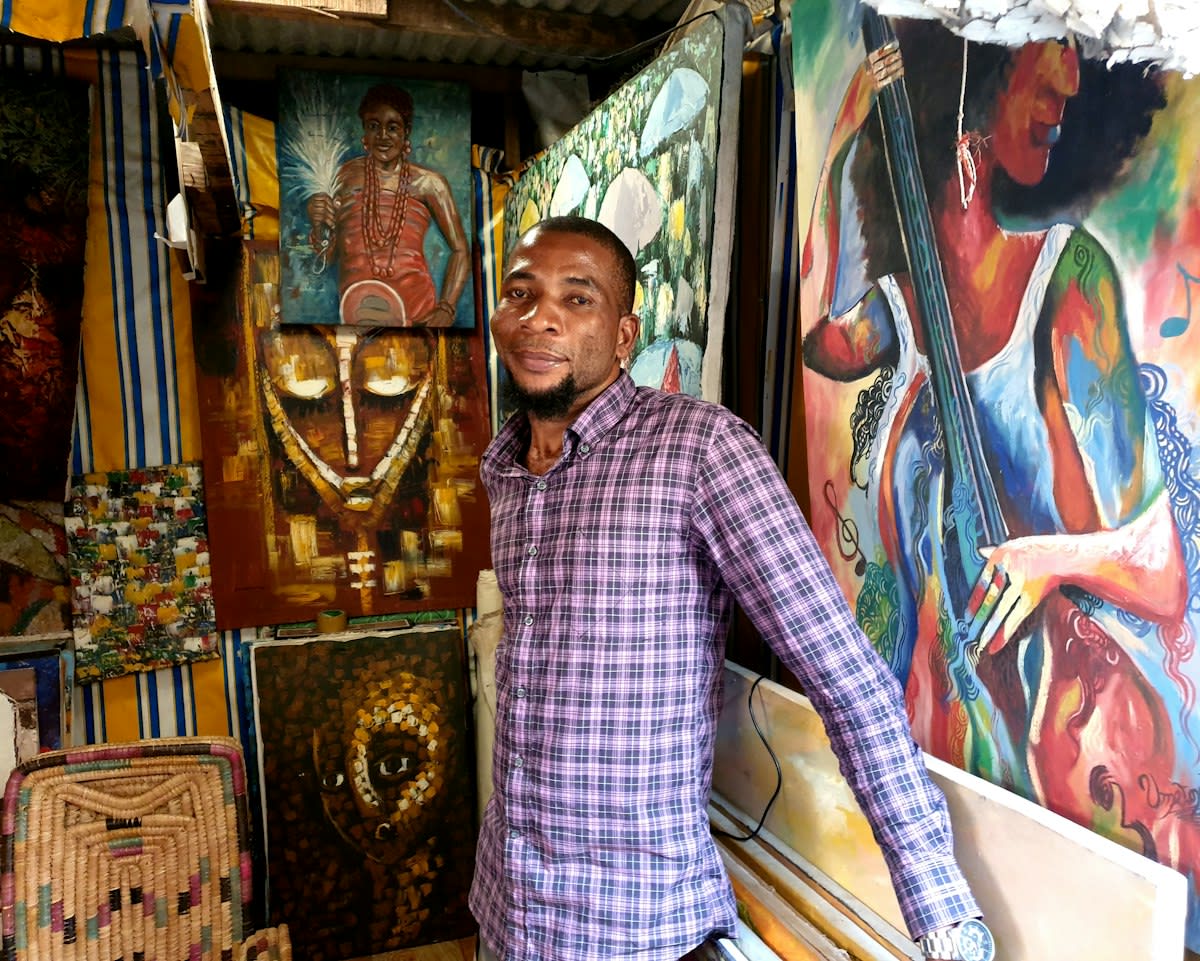
Lagos drives art demand. 62% of regional transactions bypass official registries (Source: African Art Index, 2022). These deals happen in neon-bleached studios where cash changes hands without paper trails. Such opacity creates a vacuum of trust for new collectors. Market players prefer shadows over transparency. This preference ensures that a small circle of dealers controls the narrative of value.
Opacity serves a specific purpose in the Global South. When sales remain unrecorded, dealers can inflate prices without historical benchmarks. This mechanism allows a piece bought for a few thousand dollars to be listed for fifty thousand in London. The artist rarely sees the surplus. This gap is not a mistake but a feature of the existing system.
Mumbai sees similar patterns of secrecy. 30% of high-value sales remain unrecorded in public ledgers (Source: India Art Watch, 2023). Static-heavy negotiations occur in private lounges where provenance is a matter of word-of-mouth. Zinc-flavored air fills the rooms where prices are decided by whim rather than merit. These closed-door sessions prevent the democratization of art ownership.
Family trusts in India further obscure the Trade Canvas. Art is often used as a vehicle for wealth transfer rather than aesthetic appreciation. By keeping transactions off the books, these entities avoid tax scrutiny and public audit. The result is an intricate web of ownership that few can untangle. This structure preserves the status quo for the ruling elite.
"The art market in emerging hubs is not a free market; it is a curated secret. We are not trading art; we are trading access to a closed club."— Amara Oke, Director at Lagos Art Collective
Transparency is the enemy of the traditional gallery model.
Regional Friction
Jakarta hosts a growing number of independent traders. 15% of these traders use decentralized ledgers to track provenance (Source: SE Asia Art Tech, 2023). Brine-soaked ports facilitate the movement of physical works into the city. Grit-choked streets lead to galleries that operate like private banks. Trust is the only currency that matters in these corridors.
Digital ledgers attempt to fix the Trade Canvas but face physical resistance. Collectors often refuse to register works on a blockchain for fear of revealing their holdings. This clash between tech-driven transparency and old-world secrecy slows the change. The digital record is only as good as the honesty of the first entry. Most entries remain speculative.
Sao Paulo reveals another layer of the problem. 22% of high-end art trades are linked to offshore accounts (Source: Latin Art Ledger, 2022). Oil-slicked streets lead to high-rise vaults where art is stored and never seen. These works are not meant for display but for balance sheets. The Trade Canvas here is a financial tool, not a cultural one.
This financialization of art strips the work of its meaning. When a painting becomes a line item in a tax haven, the artist's intent is erased. The value is no longer in the brushstroke but in the tax avoidance. This trend creates an artificial price ceiling for artists who refuse to play the game. They are left out of the high-value loop.
Market data is becoming a weapon for those who control it.
The Data Deficit
| City | Unrecorded Sales % | Primary Driver |
|---|---|---|
| Lagos | 62% | Private Networks |
| Mumbai | 30% | Family Trusts |
| Jakarta | 15% | Digital Ledgers |
| Sao Paulo | 22% | Offshore Accounts |
| Nairobi | 41% | Cash Trade |
Nairobi struggles with a fragmented registry. 41% of art sales occur via direct cash payments between artists and collectors (Source: Nairobi Gallery Report, 2023). Sulfur-stinging smog hangs over the auction houses where the remaining sales are recorded. These official numbers represent only a fraction of the actual activity. The real market exists in the gaps between reports.
Artists in Nairobi argue about the Trade Canvas concept daily. Friction arises when galleries claim ownership of the narrative. Real debates center on who controls the pricing algorithm. It is a fight for the soul of the work. This friction proves that the current system is failing the creators.
Kinshasa presents the most extreme case of data absence. Static-heavy radio calls often coordinate the movement of art between private villas. There is no central registry and almost no public auction data. This complete darkness allows for total price manipulation. The dealer is the sole source of truth.
Without a baseline of data, artists cannot negotiate their worth. They rely on the word of a gallery owner who may be selling the work for ten times the price. This asymmetry of information is the core of the Trade Canvas failure. The lack of data is not an accident; it is a strategy.
Failure Point
The Provenance Gap is the ultimate failure point of the art trade. When the chain of ownership is broken or hidden, the asset loses its legitimacy. In emerging hubs, this gap is a chasm. Buyers gamble on the word of a dealer, and artists gamble on the hope of a fair price. This instability makes the market fragile.
Fact-Check & Accuracy Note
Data in emerging art markets is often self-reported or estimated due to the lack of centralized registries. Figures provided should be viewed as indicators of trend rather than absolute totals.
Editorial Note
This audit focuses on the systemic opacity of the Trade Canvas rather than individual artist success. The goal is to highlight the structural inequities in the Global South art market.