Trump’s Russian diesel deal: What it means for fuel prices
Source Entity
The Indian Express
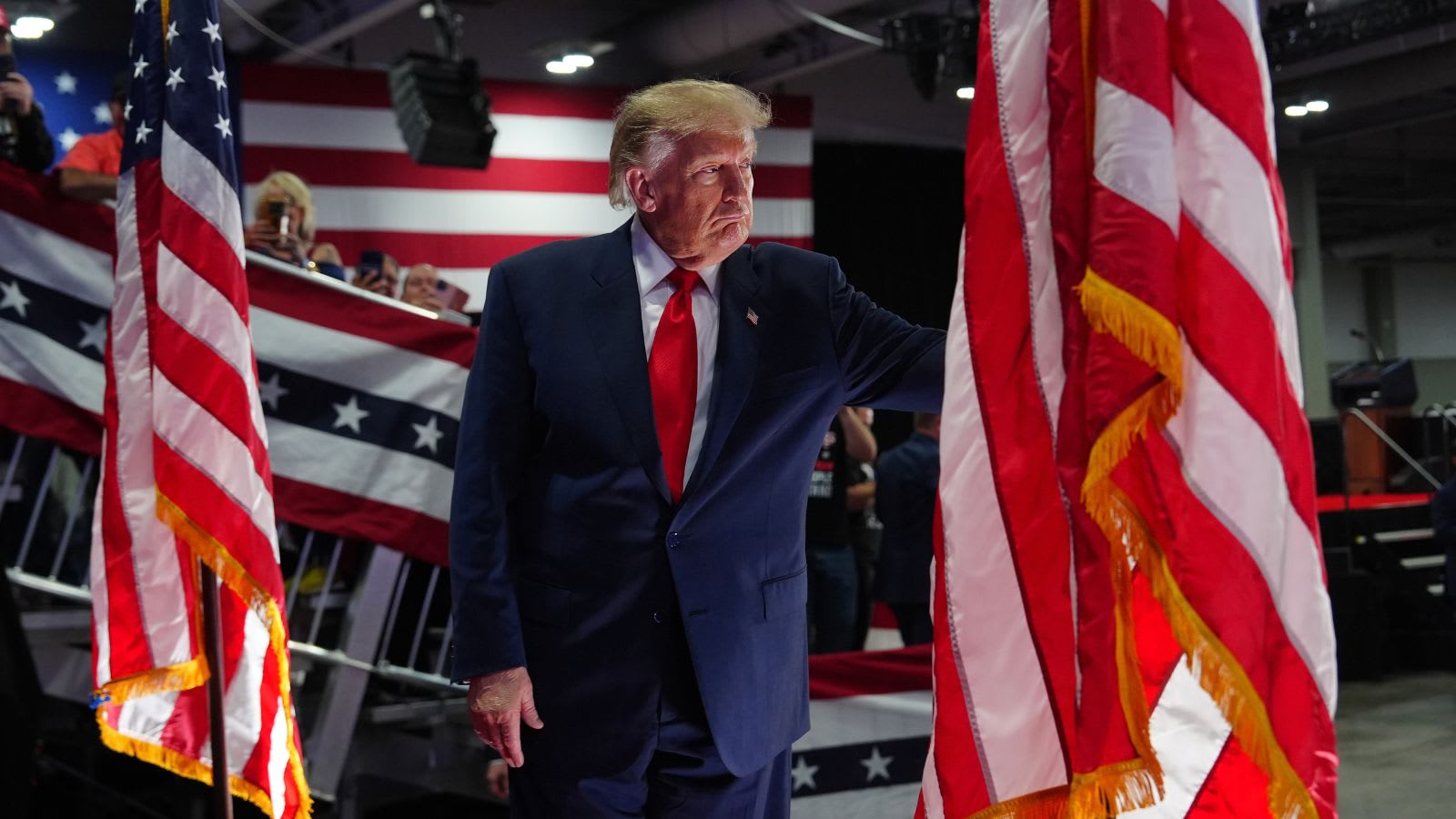
President Trump has secured a deal with Russia to supply millions of tons of diesel to global markets to lower fuel prices. The move, which involves a temporary suspension of sanctions, has sparked significant criticism from Ukraine and raised questions about its long-term economic efficacy.
The Geopolitical Shift: Trump’s Diesel Diplomacy
On October 9, President Donald Trump announced a significant shift in U.S. energy policy, confirming a deal with Russian President Vladimir Putin to supply millions of tons of diesel to the United States and global markets. This strategic pivot, aimed at curbing surging fuel costs, involves the immediate supply of over 300,000 tons of diesel, with subsequent tranches of 500,000 tons in November and 1 million tons shortly thereafter, potentially reaching 3 million tons depending on the operational status of Russian refineries.
Easing Sanctions Amid Global Supply Constraints
To facilitate this influx, the Trump administration has officially paused U.S. sanctions on the sale of Russian diesel until April 2027. Previously, these sanctions were a cornerstone of the Western effort to restrict the revenue streams funding Moscow’s ongoing war in Ukraine. This move comes as global diesel prices have spiked due to a confluence of factors, including Ukrainian strikes on Russian refinery infrastructure—which had prompted Moscow to halt its own exports—and attacks on Middle Eastern refineries by Iran-backed Houthi forces.
Diplomatic Friction and the Ukraine Conflict
The announcement has drawn sharp criticism from Ukrainian President Volodymyr Zelenskyy, particularly as it coincides with the presence of a Ukrainian delegation in the United States currently engaged in high-level talks concerning the cessation of the conflict. By relaxing sanctions on a vital Russian commodity, the administration is effectively navigating a complex trade-off between domestic economic relief and the geopolitical objective of isolating the Russian economy to undermine its war efforts.
Economic Implications and Market Reaction
While the immediate market reaction saw a decline in diesel prices, energy analysts remain skeptical regarding the deal’s long-term efficacy. The volatility in global energy markets, driven by regional conflicts and infrastructure damage, suggests that the influx of Russian diesel may provide only a temporary reprieve. The reliance on Russian output to stabilize U.S. and global fuel costs highlights the fragility of current energy supply chains and the difficulty of balancing price stability with broader foreign policy goals.
Domestic Political Context
This policy shift lands less than four weeks before the November 3 congressional elections, a period when fuel prices often weigh heavily on voter sentiment. President Trump, facing mounting political pressure to address the cost-of-living crisis, has positioned this deal as a direct solution to inflationary fuel pressures. Whether this move provides sufficient relief to satisfy voters or becomes a lightning rod for criticism regarding the compromise of international sanctions remains a central question as the election approaches.
Multiple Citing Sources