Delhi Police Issues Advisory Ahead Of CJP Protest. Check Routes To Avoid
Source Entity
NDTV News Search Records Found 1000
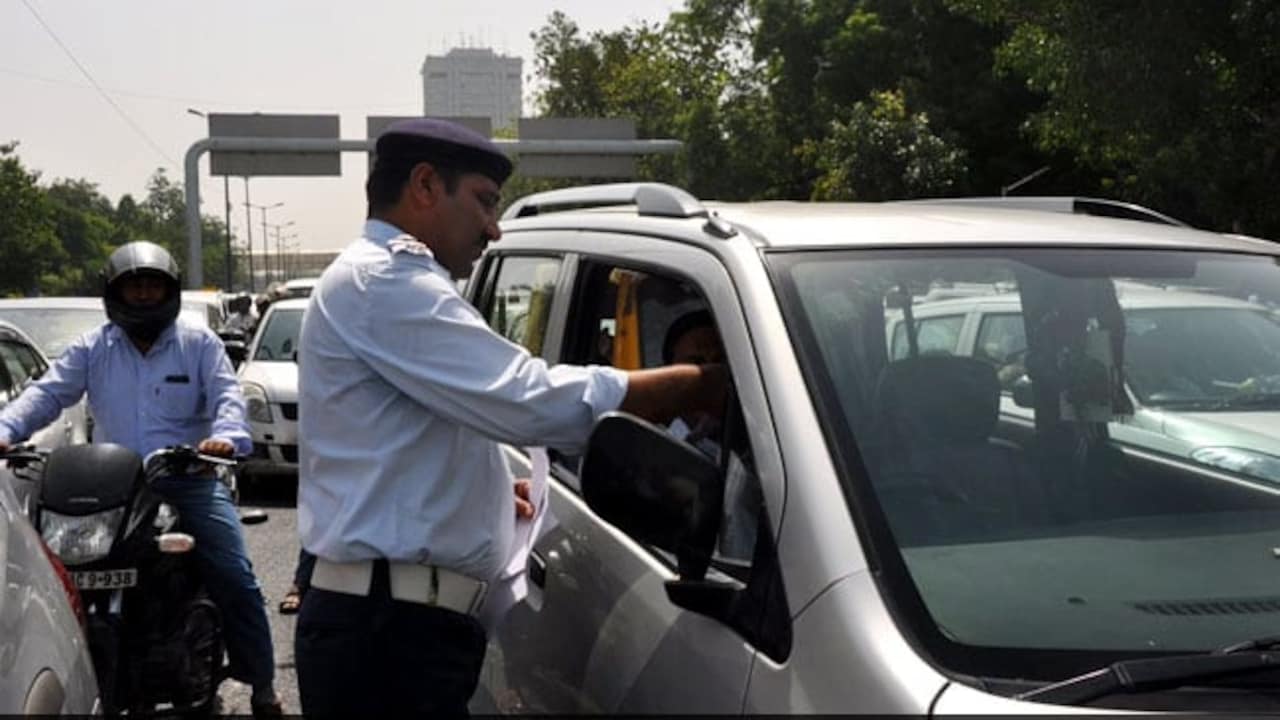
Delhi is under heavy security restrictions following a planned protest, leading to the closure of 45 Metro stations and the detention of over 400 individuals. Daily wage workers and commuters face significant disruptions as police enforce strict identity verification measures at barricades.
Delhi Security Lockdown: Protests Disrupt City Life
The national capital of India is currently experiencing a massive security operation as authorities attempt to manage a planned demonstration. With the closure of 45 Delhi Metro stations and the detention of over 400 protesters, the city's infrastructure is under significant strain. The deployment of the 'Pink Force'—a specialized security unit—and the mandatory use of body cameras underscore the administration's commitment to maintaining order during this volatile period.
The Impact on the Workforce
One of the most concerning aspects of the current security measures is the collateral impact on the city's vulnerable labor force. Daily wage workers, particularly those employed in the construction sector and small retail shops in areas like Khan Market, have been effectively cut off from their livelihoods. Reports indicate that because many of these individuals lack formal identity cards, they have been unable to satisfy the stringent requirements set by security personnel at barricades, such as those in Nizamuddin.
Infrastructure and Metro Disruptions
To prevent the mass convergence of demonstrators, the Delhi Metro Rail Corporation has implemented a sweeping closure of 45 stations. Key transit hubs including Rajiv Chowk, Mandi House, and Central Secretariat have been shuttered from Friday night through Saturday evening. This unprecedented move reflects a 'containment' strategy designed to limit mobility across the city, forcing commuters to scramble for alternative, albeit limited, transport options in the face of severe traffic diversions.
Personal Accounts of Struggle
Individual narratives highlight the friction between administrative security protocols and the necessity of daily life. Citizens like Devender Chauhan have reported being barred from transit despite providing visible evidence of their employment, such as uniforms. When essential personnel—like those holding keys to business premises—are unable to reach their workplaces, the economic ripple effect extends beyond the immediate protest zone, complicating the city's ability to maintain routine commerce.
Strategic Security Implications
The use of body cameras and the 'Pink Force' suggests an evolution in crowd control tactics, focusing on accountability and specialized response units. By recording interactions at checkpoints, the police aim to mitigate potential escalations. However, the scale of the detentions—surpassing 400 people—suggests a zero-tolerance policy toward unauthorized gatherings. This approach indicates that the administration is prioritizing the prevention of civil unrest over the facilitation of unhindered public movement.
Future Outlook
As the city navigates this standoff, the long-term implications for public mobility and civil discourse remain uncertain. The reliance on broad-spectrum transit shutdowns often signals a shift toward more restrictive security postures in urban planning. Moving forward, the city will likely face continued debates regarding the balance between security imperatives and the rights of the working class to access their workplaces during periods of political turbulence.
Multiple Citing Sources
Verification Required?