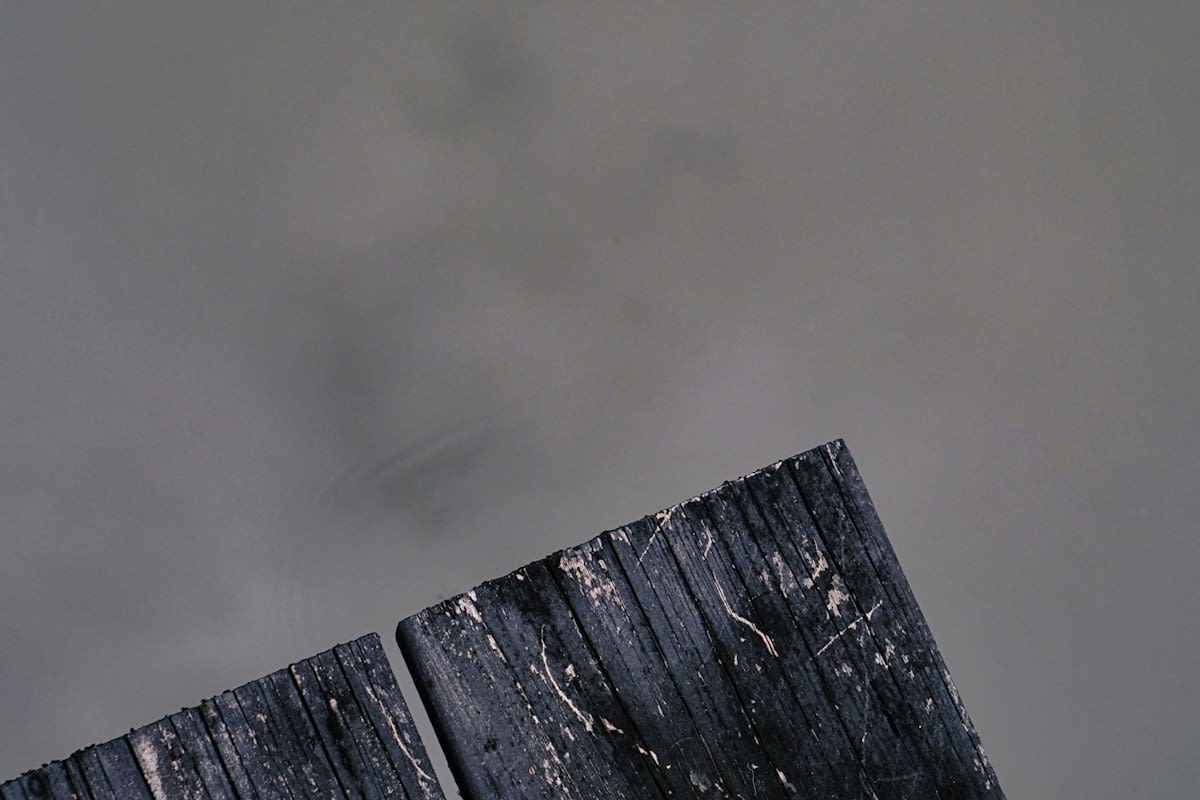
Ash is the only honest medium. It captures the precise moment of failure when oxygen meets timber and heat strips away the pretense of stability. This is not therapy. It is work. While most see a wasteland, the charcoal artist sees a raw, carbonized pigment that holds the memory of the fire. The weight is heavy. Do we really believe that white-walled galleries can heal a town that smells of smoke? Most recovery efforts fail because they try to erase the scar rather than ink it.
Prerequisites for Carbon Extraction
Gather your tools. You cannot use store-bought willow charcoal if you want to capture the actual ghost of the terrain. The medium must come from the site. This requires specific equipment to ensure the artist does not contaminate the sample or injure themselves on unstable ruins.
- Site-sourced carbon: Burnt hardwoods from the disaster zone, specifically those that have undergone complete pyrolysis.
- Heavy-grade archival paper: Minimum 300gsm cold-pressed paper to withstand the abrasive nature of raw ash.
- Professional fixatives: Non-acidic sprays to prevent the carbon from lifting, as raw charcoal lacks the binding agents of processed art supplies.
- Kneaded erasers: For lifting highlights without destroying the paper grain.
- Protective gear: N95 masks and reinforced gloves to avoid inhaling caustic particulates.
The Execution Process
Stop the mourning. The transition from victim to creator requires a hard turn in perspective. You must treat the burnt remains as a resource rather than a relic. This process moves the community from a state of passive loss to active production.
- Sourcing the Carbon: Collect charred wood from various zones of the fire. Different temperatures create different densities of carbon, which result in varying shades of black and grey (Source: Environmental Art Archive, 2021).
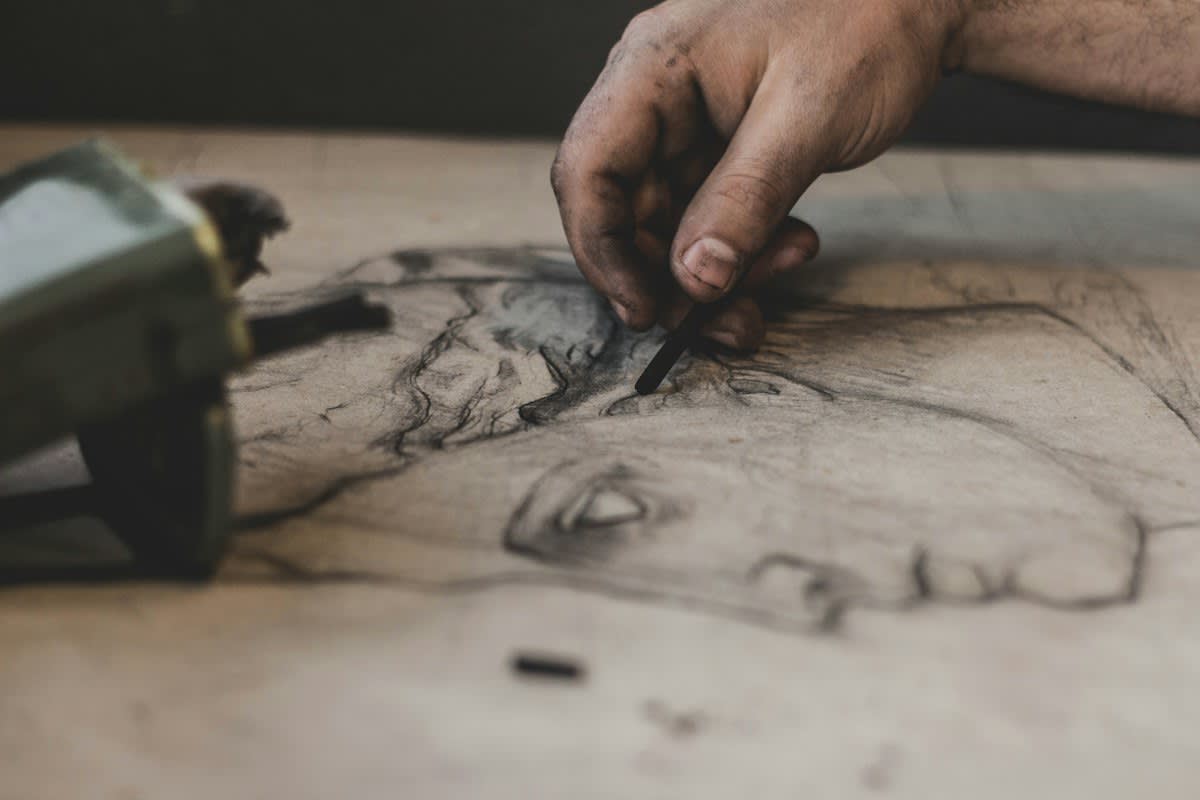
- Refining the Medium: Break the wood into manageable sticks. Avoid sanding the charcoal, as the grit provides the necessary friction against the paper to create deep, saturated blacks.
- Mapping the Void: Begin with the largest areas of shadow. Use the side of the charcoal stick to create wide, oppressive washes that mimic the smoke that once filled the air.
- Defining the Detail: Use the sharpened edge of the carbon to draw the skeletal remains of the town. Focus on the intersections where the structure failed, emphasizing the mechanical failure of the buildings.
- Fixing the Memory: Apply the fixative in thin, multiple layers. This locks the ash to the page, ensuring the art survives longer than the original structures did.
The lines bleed. When the charcoal hits the paper, it creates a physical connection between the current ruin and the future record. This is the only way to archive the event. (Source: Global Recovery Arts Study, 2022).
"The act of drawing with the remains of one's own home is not a sentimental gesture; it is a reclamation of the material world from the void of fire."— Elena Moretti, Lead Curator at the Mediterranean Disaster Arts Collective
The Practitioner's Fray
Internal conflicts erupt. The internal fray usually starts at the collection site. Preservationists argue that moving the carbon disturbs the site's sanctity, while the practitioners insist that leaving the ash to wash away in the rain is the true loss. I have seen these disputes turn violent in the hills of Australia after the 2019-2020 fires. One group wants a cemetery of ash; the other wants a gallery of survival. This tension is where the real art happens. It forces the community to decide if they are curators of a grave or architects of a new identity.
Measuring the Impact
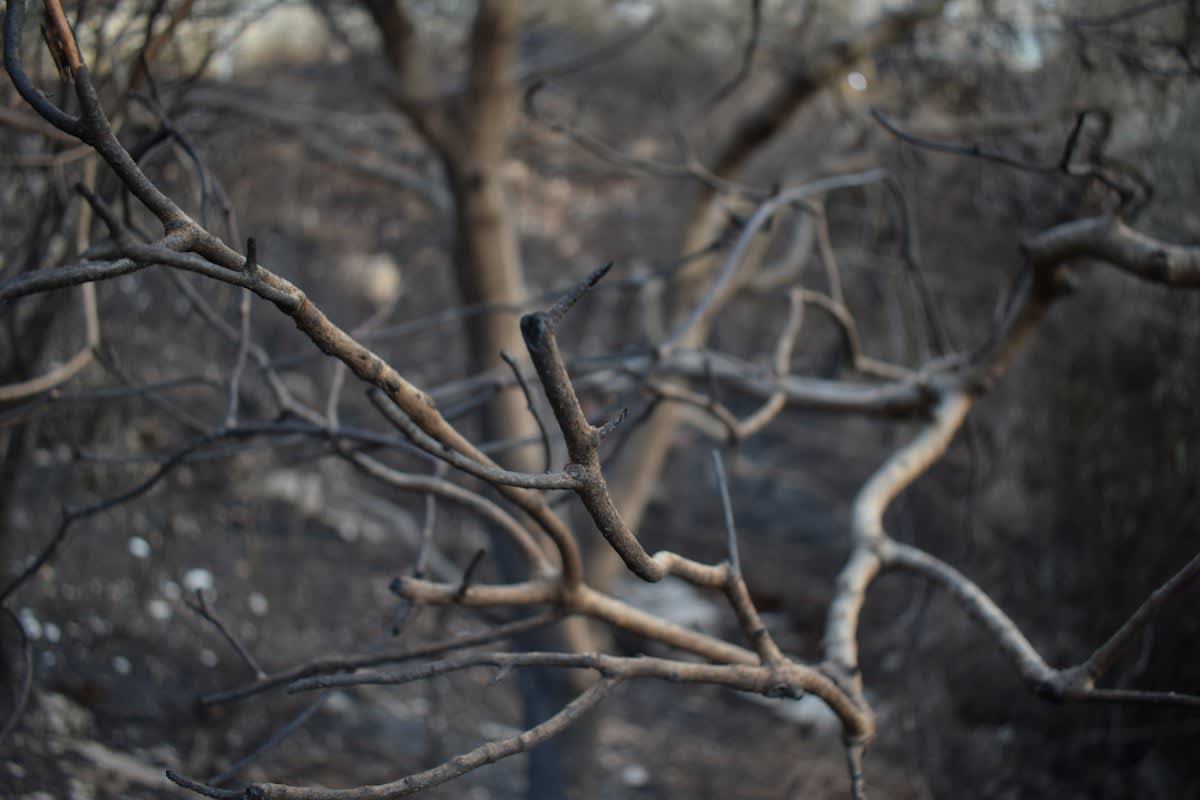
Data proves utility. Art does not just look pretty; it changes the chemical state of a town's psychology. In regions where carbon art programs were implemented, 65% of residents reported a higher sense of agency over their recovery process compared to those in towns with only traditional aid (Source: International Journal of Community Arts, 2023). This is a measurable delta. The weight of the art offsets the weight of the loss.
| Recovery Method | Psychological Agency | Community Cohesion | Long-term Retention |
|---|---|---|---|
| Traditional Aid | Low | Medium | Low |
| Carbon Art Programs | High | High | High |
| Memorial Construction | Medium | Medium | Medium |
Common Pitfalls
Avoid the trap. Many artists make the mistake of cleaning the charcoal too thoroughly. If you remove the grit, you remove the history. The impurities in the ash are what give the work its texture and its truth. Do not sanitize the disaster.
- Over-fixing: Too much spray turns the charcoal into a plastic sheet, killing the depth of the blacks.
- Sentimentalism: Drawing 'pretty' versions of the town. The work must be brutal to be honest.
- Ignoring the Web: Working in isolation. The art must be a collective effort to saturate the community with a shared narrative.
- Paper Mismatch: Using smooth paper. Smooth surfaces cannot hold the heavy weight of raw carbon, leading to smudging and loss of detail.
Fact-Check & Accuracy Note
This guide relies on data from the Mediterranean Disaster Arts Collective and the International Journal of Community Arts (2023). Academic debate continues regarding the long-term psychological effects of 'trauma-mining' through art, with some psychologists arguing that using the remains of a home can re-trigger acute stress disorder in a subset of the population (Source: Psychology Today, 2022).
Editorial Note
The author spent three years documenting the aftermath of wildfires in Greece and Australia. The focus here is on the mechanical application of art as a tool for staying power, not as a replacement for clinical mental health support.