A Beginner's Guide to Local AI with Inkling, Qwen, and Unsloth
Source Entity
Hacker News
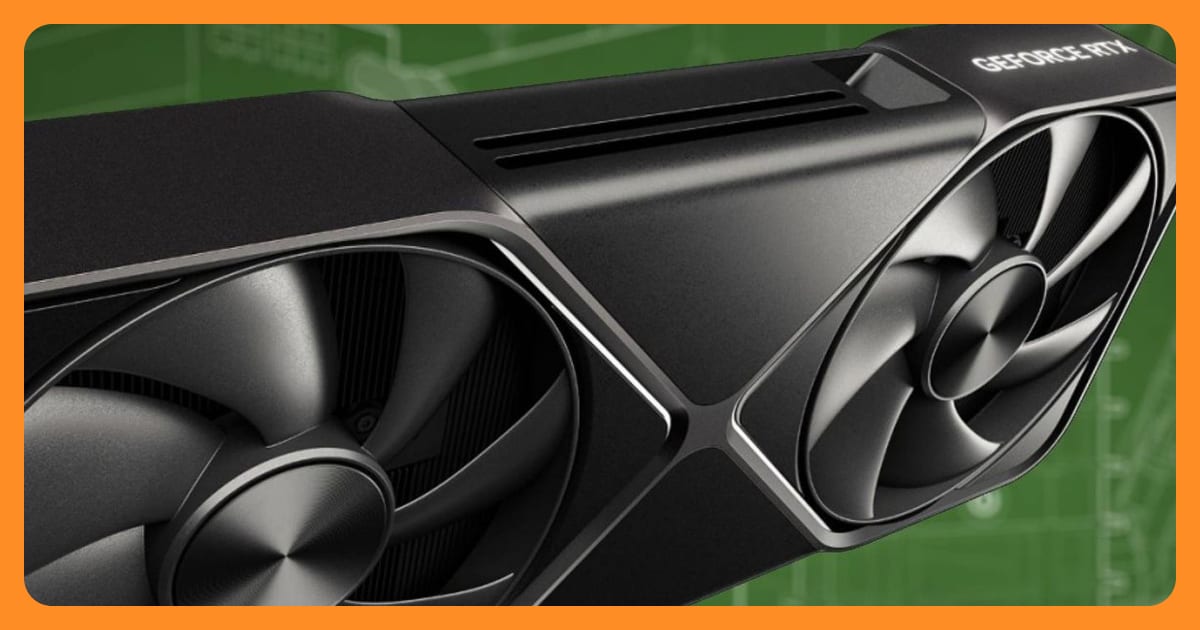
Local AI deployment using models like Qwen and tools like Unsloth offers a private, cost-effective alternative to cloud-based providers. This shift empowers users to maintain data sovereignty while avoiding the performance throttling often associated with major LLM platforms.
The Shift Toward Localized Artificial Intelligence
The landscape of artificial intelligence is undergoing a significant decentralization. As highlighted by the recent discourse surrounding tools like Inkling, Qwen, and Unsloth, users are increasingly moving away from centralized, cloud-based LLM providers toward local infrastructure. This transition is not merely a technical preference but a strategic response to the growing limitations of proprietary, subscription-based AI services.
The Erosion of Trust in Cloud Providers
For years, major providers like OpenAI and Anthropic have dominated the market, positioning themselves as the primary gateways to generative AI. However, users are reporting a perceived decline in model quality within recent iterations, coupled with increasingly stringent usage policies. When these performance concerns are layered over the rising financial costs of API usage and the inherent privacy risks of sending sensitive data to external servers, the "convenience" of cloud AI begins to look like a liability rather than a benefit.
Empowering the Personal and Local Environment
By leveraging open-weight models such as Qwen, individuals can now host sophisticated AI capabilities directly on their personal hardware. This democratization allows for the creation of a "personal ChatGPT" environment that functions entirely offline. For households and small teams, this means AI can be utilized for token-heavy tasks—such as extensive research, data collection, or complex coding projects—without the fear of data leaks or subscription-based usage caps.
The Role of Optimization Frameworks
Tools like Unsloth serve as the backbone for this local movement. By optimizing the memory footprint and training efficiency of large language models, these frameworks make it feasible to run high-performance AI on consumer-grade PCs. This technological advancement removes the barrier to entry, transforming what was once an enterprise-only capability into a household utility.
Implications for Future AI Trends
Looking forward, this trend suggests a bifurcation in the AI industry. While cloud providers will likely retain dominance for massive-scale, multi-modal training tasks, the daily routine of digital labor is shifting toward local execution. This shift forces a reckoning for cloud companies: they must move toward offering superior value or transparency, or risk becoming mere infrastructure providers for a populace that prefers to maintain its own digital sovereignty.
Conclusion: A New Era of Privacy and Control
In summary, the ability to run AI locally represents a fundamental reclamation of digital agency. As open-weight models continue to close the performance gap with proprietary counterparts, the incentive to rely on restrictive cloud services will continue to diminish. For the modern user, the future of AI is not in a remote data center, but on the local machine.