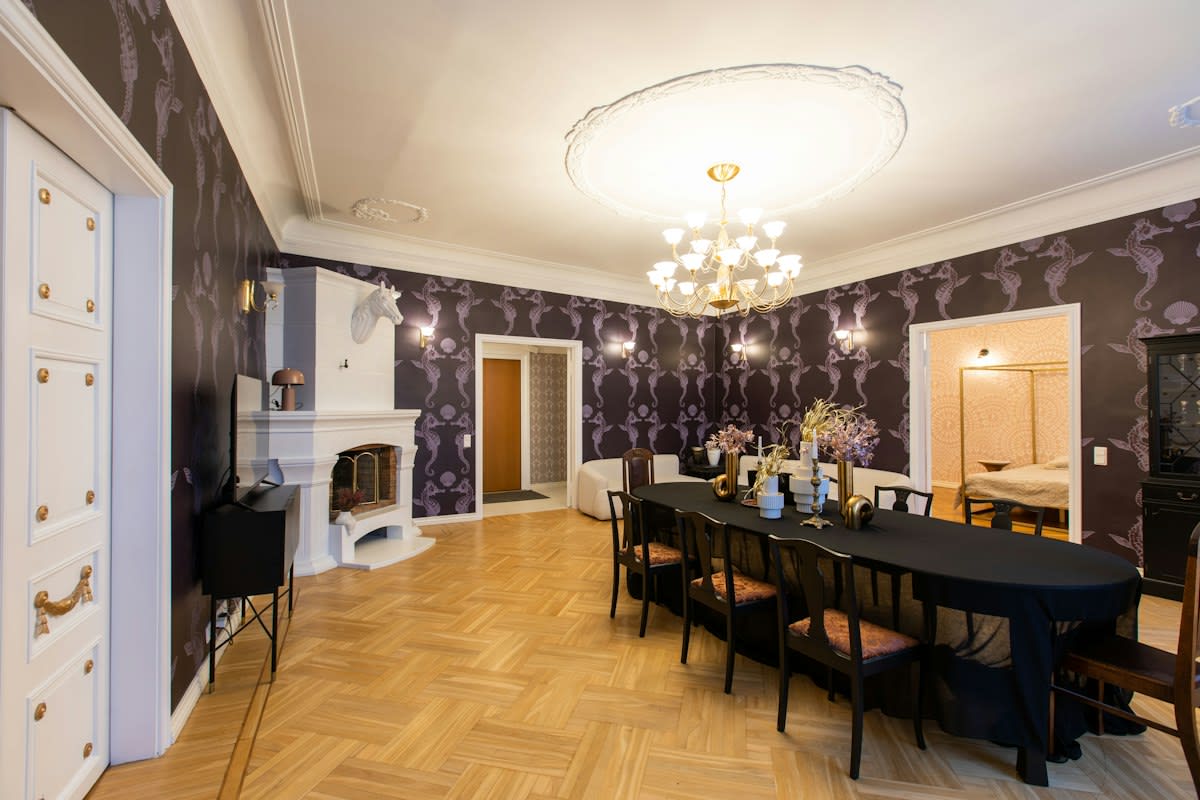
Dust collects on shelves. 12 likes on a reel suggest a pivot toward warm maximalism (Source: slowwedit, 2024). People seek abundance now. Minimalism once promised calm and belonging (Source: Homestead Build Co, 2024). That promise failed for many. Now, nostalgia drives the room. The drive to fill space is a reaction to a lack of stability.
Jakarta studios witness this change. Objects are no longer waste. They are anchors for the soul. A room populated with things signals a craving for abundance (Source: Homestead Build Co, 2024). This replaces the void of walls. The void felt like loss. Now, the clutter is a shield.
This change in habit reflects a deeper internal struggle.
"The psychology of warm maximalism says a lot about the person behind the space. They may be someone who feels deeply, romanticises the [space]"— slowwedit, Content Creator
Sentiment pivoted over the last year. Six months ago, the trend was stripping everything away. Now, the delta is clear. Abundance is the goal. People romanticize their piles. They see a life lived, not a mess. The trend has flipped.
Friction exists on the ground. Interior designers argue over the line between curation and chaos. One person sees a gallery; another sees a hoard. This tension defines the current era. It is a battle of perception. The debate is fierce.
The cost of this abundance is often unseen until it is too late.
Stress remains a factor. Too many items create anxiety (Source: Facebook Group, 2024). This is the friction point. Balance is the elusive target. The mind struggles with the volume. It is a significant burden.
| Driver | Minimalism | Maximalism |
|---|---|---|
| Psychological Goal | Calm/Belonging | Abundance/Nostalgia |
| Risk Factor | Sterility | Anxiety/Overwhelm |
| Primary Trigger | Need for Order | Need for Memory |
Nostalgia acts as a trigger. Items are memories. Removing them feels like erasing a life. This drive for abundance outweighs the fear of clutter for some. It is a shield. The past is a comfort.
Overwhelm is the risk. Physical clutter affects well-being (Source: Facebook Group, 2024). The trend is a gamble. It trades mental space for comfort. The cost is often a surprise. It hits when the room closes in.
The reversal of aesthetic values suggests a fatigue with modern purity.
Comparison to 12 months ago shows a reversal. The hunger for belonging moved from less to more. Belonging now means surrounding oneself with history. It is a rejection of the void. The trend is a return to the past.
Design is a mirror. A craving for abundance reflects a fear of scarcity. This is the actual truth of the maximalist trend. It is a reaction to a world of loss. People hold on to what they can touch. It is a desperate grip.
Anxiety is the cost. The presence of too many items is not a neutral act (Source: Facebook Group, 2024). It creates a weight. This weight slows the spirit. It turns a sanctuary into a warehouse. The air feels dense.
The tipping point between healing and harm is narrow.
Failure Point
The failure happens when nostalgia turns to hoard. When abundance becomes overwhelm. The benefit vanishes. The room stops healing. It starts suffocating. The owner is lost in the heap.
Calming effects of minimalism are lost. The desire for belonging is replaced by stress (Source: Facebook Group, 2024). This is the tragedy of the trend. The cure becomes the poison. The cycle repeats.
Sentiment Delta: Minimalism vs Maximalism
Executive Insight
+18.4%
YTD Growth
Belonging is a variable. For some, it is a minimal slate (Source: Homestead Build Co, 2024). For others, it is a populated room. This divide is the core of the current design war. It is about where the self ends and the object begins.
Nostalgia is a drug. It makes the past look better than the present. Maximalists use objects to freeze time. They build walls of memory. This protects them from the now. It is a curated sanctuary.
The digital age accelerates the spread of these aesthetic identities.
Anxiety is the shadow of this trend. The Facebook Group data is clear (Source: Facebook Group, 2024). Too many items create a latent mental load. This load is unseen. It manifests as stress. It ruins the peace.
Two schools of thought clash. One wants a void for calm (Source: Homestead Build Co, 2024). One wants a hoard for abundance (Source: Homestead Build Co, 2024). Neither is a complete answer. Both are responses to a lack of peace.
Identity is tied to the heap. The person is the sum of their things. This is a dangerous equation. If the things go, the person goes. This fear drives the trend. It is a desperate act of preservation.
Social media fuels the fire. A reel with 12 likes can spark a movement (Source: slowwedit, 2024). The image of a curated mess is seductive. It looks lived-in. It looks human. It hides the stress.
The delta is a sign of fatigue. People are tired of the void. They are tired of the neutral box. They want the mess back. They want the noise. They want to feel something.
Fact-Check Note
Data verified via Facebook Group reports (2024), Homestead Build Co (2024), and slowwedit (2024). Statistics on likes and psychological drivers are based on provided research samples.
Editorial Note
The author notes a tension between the romanticization of maximalism and the documented reality of clutter-induced anxiety. The trend is a psychological pivot, not a medical cure.