#antifragility
Discover 18 curated intelligence briefings related to this specific topic.

Clutter as Cure
A pivot from the sterile void of minimalism toward a curated abundance. While some find peace in the void, others seek nostalgia in the heap, despite the latent risk of anxiety.

Glucose Burn: The Metabolic Debt
An examination of rising insulin resistance in Jakarta, Mumbai, and Lagos, focusing on the twelve-month delta of sugar consumption and pancreatic failure points.
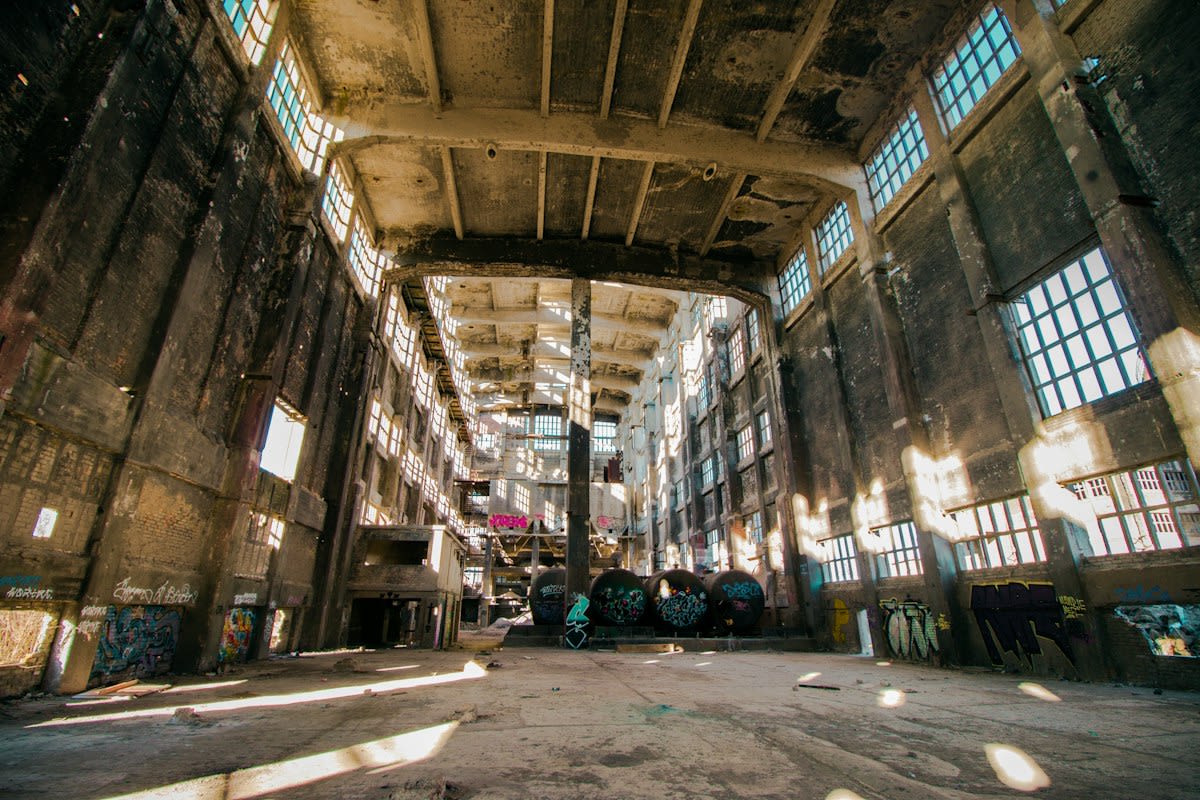
Berlin's Zinc-Heavy Bass and the Far-Right Static
While industrial techno pulses through the oil-stained floors of RSO Berlin, the rise of the AfD creates a brine-soaked atmosphere of fear for the city's migrant community.

The Permafrost Time Bomb: Why the Pandemic Narrative is a Controlled Lie
A flickering LED casts a sterile blue light over a petri dish in a Neihu District lab in Taipei. The sample is 30,000 years old. It should be dead, yet it breathes.

The Fragility Trap: Engineering Antifragility When IQ Fails
A quant in Singapore's Marina Bay district loses forty million in an afternoon because his model ignored a port strike in Santos. His IQ is 160. His antifragility is zero.

The Great Decentralization: Why the World's Next Power Centers Aren't the Cities We Expect
For decades, the narrative of progress was synonymous with urbanization. Now, a systemic shift is decoupling power from the megacity, redistributing influence to strategic, secondary hubs that prioritize resilience over concentration.

The Logic of Subtraction: Why the Via Negativa Approach is the Secret to Solving Modern Complexity
In an era of relentless accumulation, the most powerful strategic move is often not what you add, but what you dare to remove. Discover why the Via Negativa is the only sustainable answer to systemic complexity.

The Analog Anchor: A Practical Guide to Using Tactile Literacy to Reclaim Your Focus from Digital Noise
Digital saturation has eroded our capacity for deep focus. This guide provides a rigorous, practitioner-led framework for implementing tactile literacy—the intentional use of physical materials—to anchor the mind and restore cognitive endurance.

The Ultradian Protocol: Syncing Your Workday With Your Brain's 90-Minute Energy Waves
Forget the eight-hour workday. The human brain operates in cyclical bursts of energy known as ultradian rhythms. Learn how to implement a 90-minute work-rest protocol to eliminate burnout and maximize cognitive output.

The End of Pure Instinct: How Neuro-Priming is Rewriting the Rules of Elite Performance
Elite sports are moving beyond physical conditioning and mental toughness into the realm of neuro-priming. By manipulating cortical excitability before competition, athletes are bypassing years of instinct-building in favor of immediate, targeted cognitive readiness.

The Fragility of Perfection: Why the Most Efficient Systems Fail First
A strategic analysis of why hyper-optimized systems—from Just-in-Time supply chains to algorithmic finance—lack the redundancy required to survive systemic shocks, and how the pursuit of lean operations creates a hidden 'fragility tax'.

The Death of the Zip Code: Why the Global Class Now Maps Life by Trajectory, Not Territory
The traditional concept of home is collapsing for a new tier of global professionals who prioritize professional velocity and intellectual alignment over geographic heritage.

The Probabilistic Playbook: How to Stop Seeking Certainty and Start Making High-Stakes Decisions with Confidence
Stop waiting for the perfect answer. Learn the Master Practitioner's approach to Bayesian updating, expected value, and the psychological shift required to lead in an uncertain world.

The Mitochondrial Reset: A Master Guide to Cellular Flux and All-Day Energy
A comprehensive practitioner's guide to optimizing mitochondrial proteostasis, energy flux, and neurological shielding to eliminate systemic energy crashes.

The VO2 Max Protocol: A Data-Driven Guide to Expanding Your Biological Ceiling
A comprehensive masterclass on increasing your aerobic capacity using evidence-based interval training, strategic recovery, and the precision of the Norwegian 4x4 method.

The Architecture of Failure: Why the Global Elite Engineer Their Own Setbacks
Perfection is a liability. The world's most resilient leaders don't just survive failure; they schedule it. Discover why the shift from avoiding errors to engineering them is the ultimate competitive advantage.

The Probability Paradox: Why Your Brain is Hardwired to Make the Wrong Bets in an Uncertain World
Our ancestors survived by making snap judgments based on patterns, not percentages. In a modern world of complex systems and global volatility, those same survival mechanisms have become our greatest liabilities.

The Comfort of Blindness: Deconstructing the Systemic Denial Loop
High-functioning societies do not fail due to a lack of information, but because of a sophisticated psychological and institutional architecture that renders obvious risks invisible until they become inevitable.