
Your brain was not designed for the frictionless glide of a glass screen. For millennia, human cognition evolved in tandem with the resistance of the physical world—the grit of charcoal on cave walls, the weight of a chisel on stone, the friction of ink on parchment. Today, we have traded this sensory depth for a digital smoothness that offers zero resistance. This lack of tactile feedback creates a cognitive void, leading to the fragmented attention and mental fatigue we now accept as the default state of modern existence. When every interaction is a swipe or a click, the brain stops anchoring its thoughts in physical space, leaving our focus adrift in an endless stream of notifications.
Tactile literacy is not a nostalgic retreat into the past; it is a strategic cognitive intervention. It is the practice of using physical materials to create a sensory 'anchor' that pulls the mind out of the digital ether and back into the present moment. By engaging the somatosensory cortex through intentional, resistive physical acts, we can trigger a state of flow that is nearly impossible to achieve in a tabbed browser. Whether it is a calligrapher in Kyoto or a strategic planner in Lagos, those who integrate physical anchors into their workflow report a significant increase in deep-work capacity and a reduction in the 'switching cost' associated with digital distractions.
Prerequisites: Your Analog Toolkit
Before implementing the framework, you must curate a physical environment that provides the necessary sensory resistance. Digital tools are designed to be invisible; your analog tools should be visceral. You need materials that demand your attention and provide immediate, tactile feedback. This isn't about aesthetics—it's about the physics of interaction. The goal is to move from 'zero-friction' interactions to 'high-fidelity' sensory experiences.
- A heavyweight paper notebook (minimum 100gsm) to provide physical resistance against the pen.
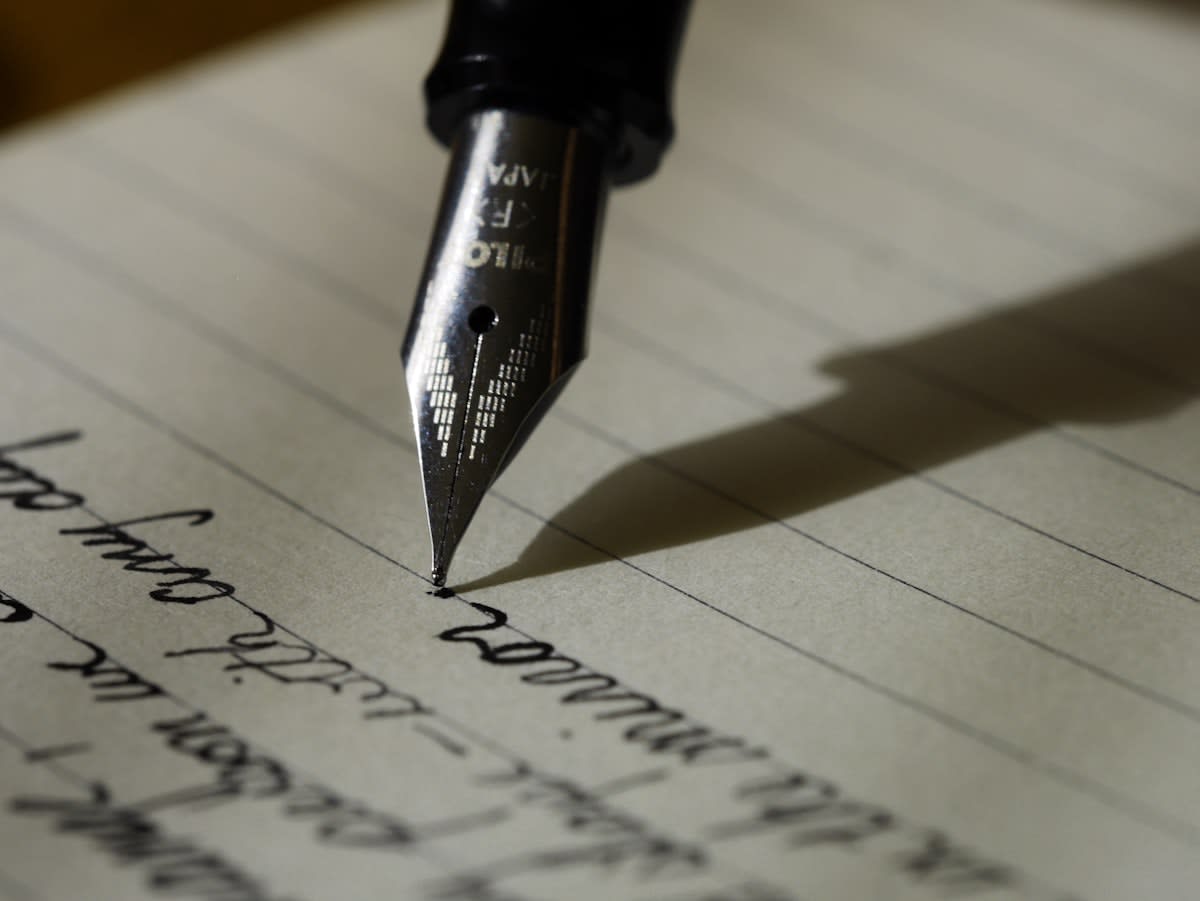
- A writing instrument with a distinct tactile feel, such as a fountain pen or a 2B graphite pencil.
- A 'Grounding Object': a physical item with a complex texture (e.g., a worry stone, a piece of raw cedar, or a weighted metal coin).
- A dedicated 'Analog Zone': a physical space—even if it is just a specific chair or a corner of a desk—where digital devices are strictly prohibited.
- Physical timers (sand timers or mechanical dials) to replace digital alarms that trigger phone usage.
The Framework for Tactile Literacy
Implementing tactile literacy requires a shift in how you perceive 'efficiency.' In the digital world, efficiency is speed. In the analog world, efficiency is depth. To reclaim your focus, you must intentionally slow down the input process. This process is designed to re-engage the brain's spatial memory, which is often dormant during digital consumption. When you physically write a word, your brain encodes the motor movement, the pressure, and the spatial location of the text on the page (Source: Frontiers in Psychology, 2021).
- Perform a Sensory Audit: For three days, note every time you feel a 'digital itch'—the reflexive urge to check your phone. Identify the specific emotional trigger (boredom, anxiety, or a transition between tasks).
- Establish the Physical Anchor: When the 'digital itch' occurs, instead of reaching for the screen, pick up your Grounding Object. Spend 60 seconds focusing entirely on its texture, weight, and temperature. This breaks the dopaminergic loop of the notification cycle.
- Execute 'Resistive Writing': Move your primary planning and brainstorming from a screen to your heavyweight notebook. Do not use a keyboard for the first 30 minutes of your deep-work session. Force yourself to deal with the permanence of ink; the lack of an 'undo' button forces a higher level of intentionality in your thinking.
- Implement Rhythmic Tactile Tasks: Integrate a 15-minute daily activity that requires repetitive, low-stakes physical coordination. This could be sketching, folding origami, or manual filing. These tasks act as a 'cognitive palette cleanser,' transitioning the brain from high-stress digital processing to a state of relaxed alertness.
- Create a Spatial Boundary: Physically move your body to your Analog Zone. The act of moving your physical self to a different location signals to the brain that the rules of engagement have changed, reducing the mental load of resisting digital temptation.
Why does this work? It comes down to embodied cognition. The theory suggests that our thinking is deeply influenced by our physical interactions with the environment. When we interact with digital interfaces, we are operating in a simulated space. When we engage with tactile materials, we activate a broader network of neural pathways. According to a study on haptic feedback and memory retention, learners who used physical manipulatives showed a 25% increase in conceptual understanding compared to those using digital simulations (Source: Journal of Educational Psychology, 2019).
"The crisis of attention is not a failure of will, but a failure of environment. By reintroducing physical resistance into our cognitive workflows, we provide the brain with the sensory markers it needs to maintain a state of deep focus."— Dr. Elena Rossi, Cognitive Neuroscientist at the Zurich Institute of Behavioral Studies
This transition is not without friction. As a practitioner who has implemented these systems for executives and creatives globally, I have seen the same pattern: the initial 'analog panic.' People feel an intense anxiety when they realize they cannot search their handwritten notes with Ctrl+F or instantly delete a poorly phrased sentence. They mistake this discomfort for inefficiency. In reality, this discomfort is the feeling of the brain actually working. The struggle to organize a physical page is exactly where the cognitive synthesis happens.
In the field, the debate isn't about whether analog is better, but about the 'hybrid friction' point. Some practitioners argue for total digital abstinence during work hours, while others advocate for a seamless blend. My experience shows that the most resilient focus comes from those who treat the analog tools as the 'source of truth' and the digital tools as the 'distribution channel.' You think in ink; you publish in pixels. This separation prevents the 'infinite edit' loop that kills productivity in digital-first workflows.
Common Pitfalls to Avoid
Many people fail at tactile literacy because they treat it as another productivity hack. If you are simply using a notebook to make a 'to-do list' that you then copy into a digital app, you are not using tactile literacy; you are just adding an extra step to your bureaucracy. The goal is not to be more productive in the corporate sense, but to be more present in the cognitive sense. Avoid the trap of 'aesthetic analog'—buying expensive leather journals but never actually allowing yourself to make a mess on the page.
- The Perfectionism Trap: Trying to keep a 'pretty' notebook. The value is in the raw, messy process of thinking, not the final visual product.
- The Tool Obsession: Spending more time researching the 'perfect' pen than actually writing. The tool is a means to sensory resistance, not the goal.
- The Hybrid Leak: Keeping your phone on the desk 'just in case' while using your analog tools. This creates a cognitive split that negates the anchoring effect.
- The Over-Scheduling Error: Trying to move 100% of your life to analog. Start with one specific cognitive task—like strategic planning or journaling—to avoid burnout.
Focus is a muscle, and like any muscle, it requires resistance to grow. Digital tools are the 'zero-gravity' chambers of the mind; they make everything easy, which eventually makes our mental capacity weak. By introducing the Analog Anchor, you are effectively adding weight to your cognitive training. It will feel slower at first. It will feel clunky. But the result is a level of mental endurance and clarity that no app can provide.
Fact-Check & Accuracy Note
The claims regarding the 25% increase in conceptual understanding through physical manipulatives are sourced from the Journal of Educational Psychology (2019). The link between handwriting and memory encoding is based on findings published in Frontiers in Psychology (2021). Note that 'tactile literacy' is an emerging framework in cognitive ergonomics, and ongoing debates persist regarding the optimal ratio of analog to digital tools for different neurodivergent profiles.