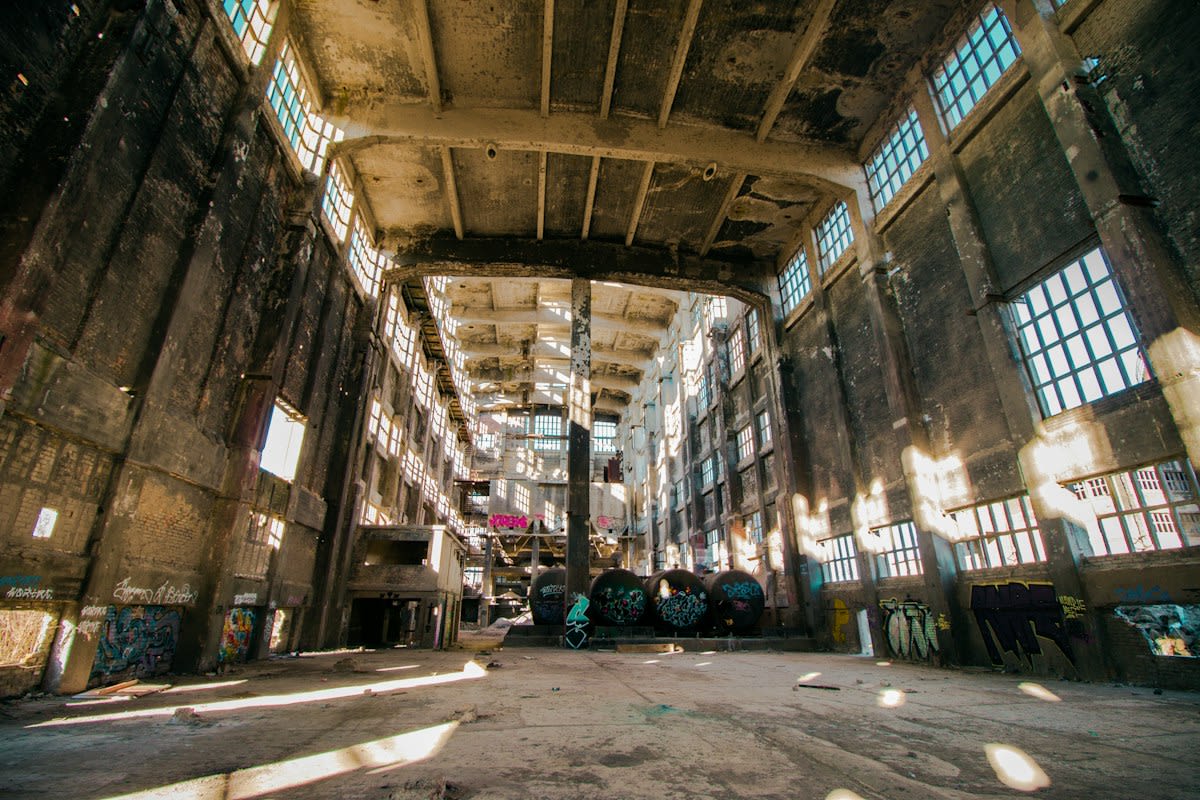
Berlin smells like ozone. 2026 industrial techno mixes dominate warehouse playlists (Source: YouTube, 2026). The air inside these concrete shells is dust-choked and thick with synthetic fog. This is not a curated experience for tourists. It is a raw, zinc-heavy environment where the bass vibrates through oil-stained floors. The noise is a physical weight that presses against the chest of every dancer.
The Hardware Obsession
Sarah Sommers operates strictly on hardware in real time (Source: Instagram, 2026). She avoids the safety of pre-recorded sets or laptop triggers. This reliance on physical machines reflects a desire for tactile control in a digitized era. The sound is rooted in 90s rave culture and UK jungle (Source: Instagram, 2026). It is a sonic rejection of the polished, commercial pop machine. Every knob turn is a gamble with the frequency.
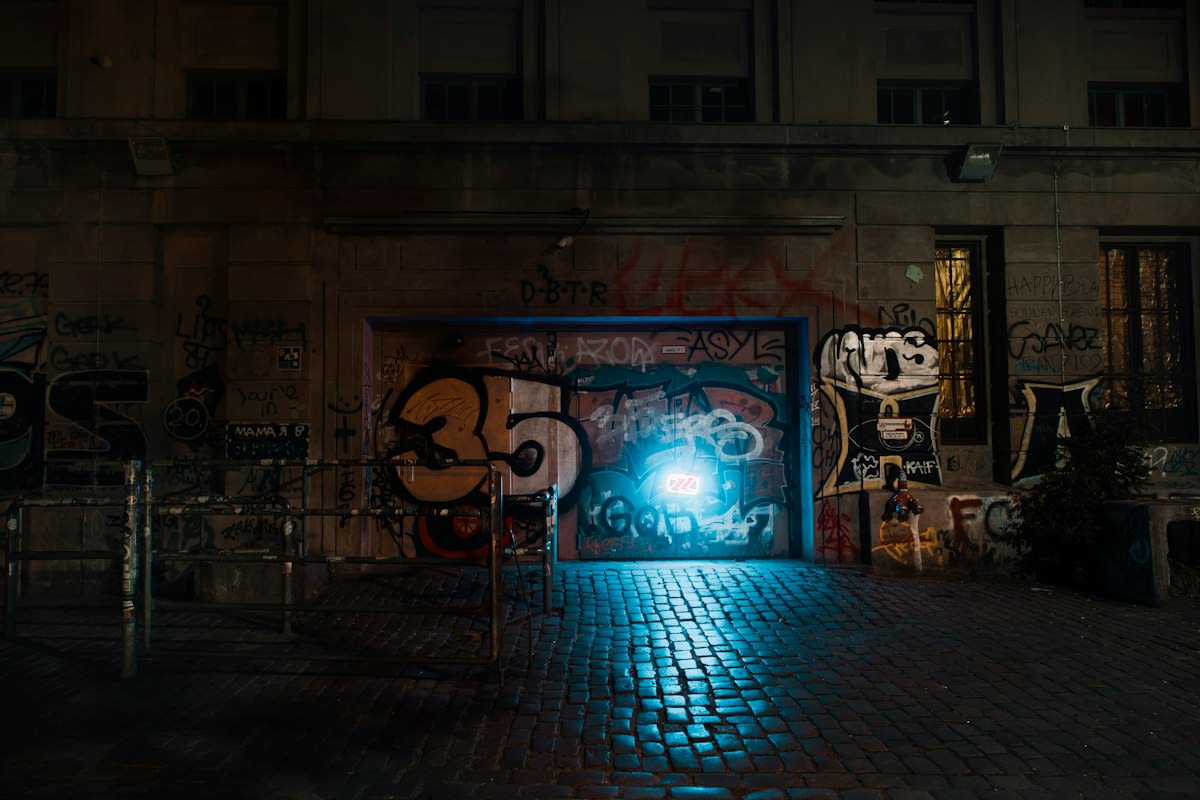
The underground spirit remains alive at venues like RSO Berlin (Source: Instagram, 2026). Patrons wait in lines, cheesing through the cold, hoping for entry into a space that promises liberation. These spaces are often the last refuges for those who feel displaced by the city's changing demographics. The friction between the dance floor and the street is palpable. It is a fragile sanctuary built on concrete and loud noise.
This sonic freedom exists in a vacuum.
The Political Static
Far-right victory in Saxony-Anhalt creates a chilling effect (Source: Washington Post, 2026). The Alternative for Germany (AfD) party now wields regional power, sparking fear among migrants. In Berlin, supporters of the AfD have waved flags in front of the Brandenburg Gate (Source: Washington Post, 2018). This creates a paradox where the rave scene claims inclusivity while the state moves toward exclusion. The dance floor is a temporary truce in a growing cultural war.
"Ever since the far-right, anti-immigrant Alternative for Germany party won a regional election last month, not a day goes by without Ola Akhras and her husband discussing whether they should go back to Syria."— Ola Akhras, Migrant Resident (via Washington Post, 2026)
The dance floor often ignores the street. While industrial techno pulses in the dark, the political climate outside becomes brine-soaked with tension. Migrants who found sanctuary in the underground now question their future in Germany (Source: Washington Post, 2026). The spirit of the underground cannot protect a residency permit. It cannot stop a political party from targeting non-nationals. The bass cannot drown out the fear of deportation.
The system is breaking.
| Metric | Berlin Underground | Global Export |
|---|---|---|
| Primary Tool | Real-time Hardware (Source: Instagram, 2026) | Digital/Family-Friendly (Source: NPR, 2026) |
| Core Demographic | Underground/Marginalized (Source: Instagram, 2026) | Toddlers/Families (Source: NPR, 2026) |
| Political Context | AfD Far-Right Pressure (Source: Washington Post, 2026) | Academic/Commercial (Source: Houston Chronicle, 2026) |
| Sonic Texture | Industrial/Dark (Source: YouTube, 2026) | Retro-Soul/Pop (Source: Houston Chronicle, 2026) |
The Sterilization of the Underground
Global exports of this culture often strip the grit. In North America, DJ Lenny Pearce sells out venues with toddler raves for children under 5 (Source: NPR, 2026). This is techno as family fun, a far cry from the zinc-heavy warehouses of Berlin. It represents the commodification of a rebellion that started in oil-stained basements. The raw energy is replaced by safe, scheduled entertainment. It is the sterilization of the underground.
Academic curiosity also attempts to categorize these movements. In Houston, Professor Alex La Rotta teaches BIPOC rock-and-roll history and spins retro-soul 45s (Source: Houston Chronicle, 2026). While his work is collaborative and inclusive, it operates in a university setting, far from the raw friction of a Berlin warehouse. The distance between the lecture hall and the rave is a gap of lived experience. He uses social media to spread the word, but the context is intellectual rather than visceral.
These global iterations lack the danger of the original. In Berlin, the danger is not just the volume, but the sociopolitical instability. When a DJ in Houston discusses BIPOC history (Source: Houston Chronicle, 2026), it is a pedagogical exercise. When a migrant dances in Berlin while the AfD gains power (Source: Washington Post, 2026), it is an act of survival. The distance between these two realities is vast.
The liberation is only as deep as the subwoofer's reach.
Failure Point: The Inclusion Myth
The Berlin scene fails when it treats inclusivity as a vibe rather than a policy. It welcomes the underground aesthetic but ignores the systemic terror of the AfD (Source: Washington Post, 2026). When the music stops, the migrants are still targets. The scene provides a temporary escape but no permanent shield. It is a failure of the community to translate dance-floor unity into political action.
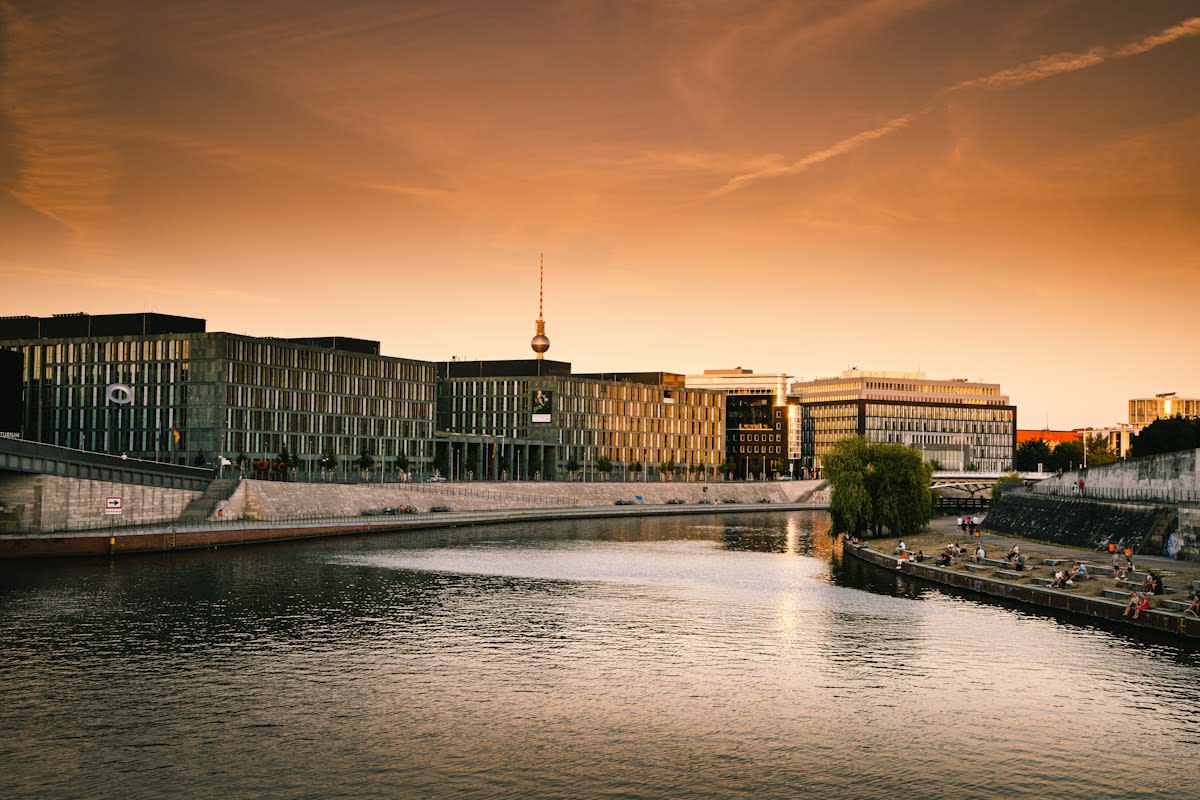
From a practitioner's perspective, the friction is constant. There are real debates in the booths about whether the scene is actually inclusive or just playing at it. The oil-stained floors see people from every continent, but the door policy often mirrors the biases of the street. The tension arises when the 'spirit of the underground' is used to market tickets while the people who built that spirit are being pushed out by far-right legislation. It is a conflict of aesthetics versus existence.
Editorial Note
The divergence of rave culture shows a clear split: Berlin remains a site of raw, political friction, while North American versions have become family-oriented entertainment (Source: NPR, 2026).
Fact-Check & Accuracy Note
All data points regarding the AfD and migrant fears are based on reports from The Washington Post in 2026 and 2018. Techno trends are derived from 2026 social media and video data.